No fish will clean your tank for you, and no animal lets you skip maintenance. What the right “clean-up crew” can do is eat algae, pick up leftover food and keep surfaces looking tidier between water changes. The best choice depends on what’s making your tank messy and how big it is. Here are 10 freshwater clean-up crew options that can genuinely help.
Best Freshwater Clean-Up Crew at a Glance
| Species | What it cleans | Adult size | Tank size |
|---|---|---|---|
| Bristlenose pleco | Algae on glass and wood; scavenges | 4–5 in | 29 gal+ |
| Otocinclus | Soft algae and biofilm on plants and glass | About 2 in | Group of 6+ in a mature tank |
| Siamese algae eater | Many algae, including black beard algae | Up to about 6 in | 4 ft long or more |
| Corydoras catfish | Leftover food on the substrate | 1–3 in, by species | Group of 6+; size by species |
| Amano shrimp | Algae in plants and tight gaps | About 2 in | Most tank sizes; no large predatory fish |
| Nerite snails | Algae on glass, rocks and leaves | About 1 in | Most tank sizes |
| Malaysian trumpet snails | Leftover food and decaying matter in the substrate | About 1 in | Established tanks; numbers track food supply |
| Platies and mollies | Graze on algae on plants and decor | About 3 in | 20 gal+ |
| Florida flagfish | Hair algae and black beard algae | About 2.5 in | 20 gal+ |
| Kuhli and hillstream loaches | Food in crevices; biofilm on flat surfaces | 3–4 in | 20 gal+ |
Sizes are approximate adult lengths. Check the needs of the exact species you buy, especially water temperature. Remember that every clean-up animal also produces waste of its own.
Algae Eaters
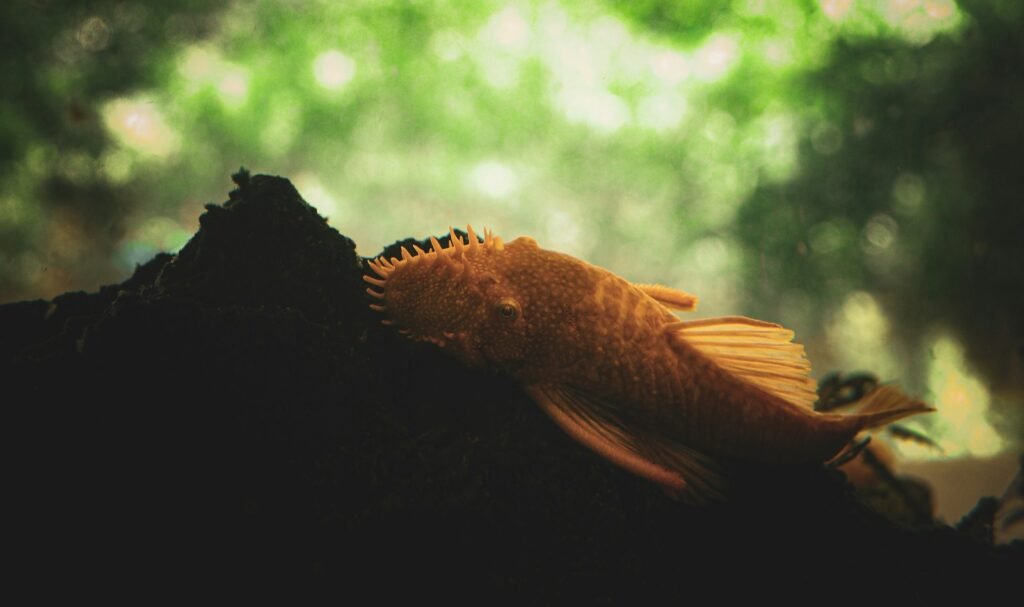
1. Bristlenose pleco
The bristlenose is the go-to algae-eating fish for medium tanks. Unlike the common pleco, which can grow over a foot long, it stays small. It grows to about 4–5 inches and needs a tank of at least 29 gallons. Males grow bushy bristles on their snouts. Give it driftwood and feed sinking algae wafers or blanched vegetables, because a tank rarely grows enough algae to feed it.
2. Otocinclus
“Otos” are tiny, peaceful catfish that graze soft algae and biofilm off leaves and glass without harming plants, which makes them popular in planted tanks. They’re a schooling fish, so keep at least three to six, and ideally six or more. The big catch: otos can starve in a clean or newly set-up tank. Add them only to an established tank with algae growth, and offer algae wafers or blanched zucchini.
3. Siamese algae eater
The Siamese algae eater, or SAE, is one of the few fish that eats tough algae like black beard algae. It’s an active fish that needs room. Depending on the species sold under the name, it can reach about 6 inches and needs a tank around 4–5 feet long. Buy carefully, because it’s often confused with its more aggressive lookalike, the Chinese algae eater.
4. Florida flagfish
This North American native eats hair algae and black beard algae. It needs at least 20 gallons and may suit an unheated tank if your room stays within its temperature range. Pair it with fast tankmates, since it can nip, and be aware it may nibble delicate plants.
5. Platies and mollies
These livebearers spend all day picking at plants, decor and glass, grazing on algae as they go. Platies breed readily, so expect babies. Both are colorful, easy community fish that do well in slightly harder water.
Bottom Cleaners and Scavengers
6. Corydoras catfish
Corys root through the substrate with their barbels for food that falls to the bottom. They’re peaceful and social, so keep a group of at least six of the same species with enough open bottom space. They can’t live on leftovers, though. They need their own sinking wafers, frozen bloodworms or gel food. Keep them on sand or smooth gravel. Our guide to the best corydoras species covers which ones suit which tanks.
7. Kuhli and hillstream loaches
These two have very different needs. Kuhli loaches are eel-like bottom-dwellers that wriggle into crevices for scraps; keep them in a group, with hiding places and soft sand. Hillstream loaches cling to rocks and glass and graze biofilm; they need a mature tank with strong water movement and plenty of oxygen. Both need sinking food added on purpose rather than relying on leftovers.
Invertebrates
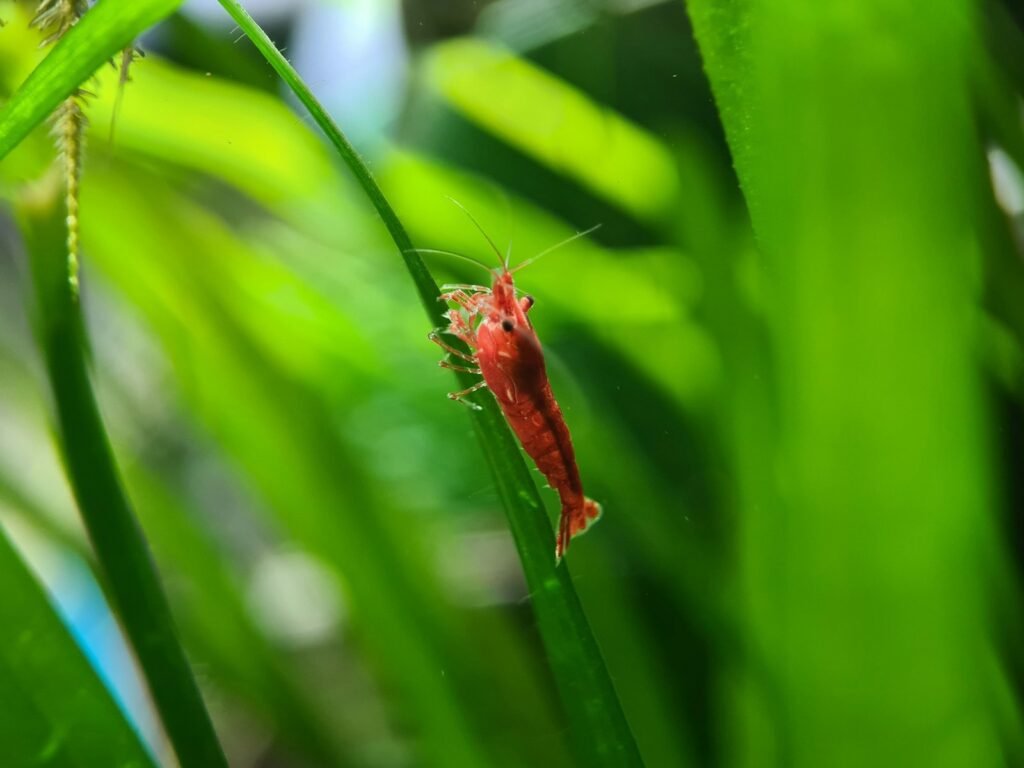
8. Amano shrimp
Amano shrimp are some of the best algae eaters for planted tanks, reaching into dense plants and narrow gaps fish can’t. They eat less algae when lots of fish food is available, and they need minerals in the water to molt properly. Keep them away from fish big enough to eat them.
9. Nerite snails
Nerites scrape algae off glass, rocks, wood and leaves, and they won’t overrun your tank. Their eggs need brackish water to hatch, so they don’t multiply in freshwater. You may still see small white eggs on hard surfaces.
10. Malaysian trumpet and ramshorn snails
These snails eat leftover food, algae, decaying leaves and waste. Malaysian trumpet snails burrow through the substrate, which helps keep it from compacting. Both breed quickly, though, especially if you overfeed. A sudden snail boom is a sign there’s too much food in the tank.
How to Choose the Right Clean-Up Crew
- Match the problem. For soft algae on plants, choose otos or Amano shrimp. For algae on glass and rocks, try nerite snails or a bristlenose. For tough black beard algae, consider an SAE or flagfish. For uneaten food, corydoras or snails help.
- Match the tank size. SAEs and bristlenose plecos need medium to large tanks. In a small tank, use shrimp and snails instead. Our aquarium sizes guide shows what fits where.
- Match the water. Check temperature and pH for each species against your other fish.
- Feed them. Most clean-up crew animals need their own food. A clean tank can starve them.
- Don’t overstock. Every fish adds waste. A big crew can make a tank dirtier, not cleaner.
Which Clean-Up Crew Fits Your Tank Size?
- Small tanks (around 10 gallons): stick to invertebrates like nerite snails and a few Amano shrimp. Skip plecos, SAEs and flagfish.
- Medium tanks (20–30 gallons): a group of otos may suit a mature tank with enough natural grazing food, and some small corydoras species may fit, depending on the footprint and what else lives there. Flagfish need at least 20 gallons, and bristlenose plecos at least 29.
- Larger tanks (4 feet and up): this is where Siamese algae eaters fit, alongside the options above.
Whatever the size, add animals slowly to a fully cycled tank and don’t overstock.
What a Clean-Up Crew Can’t Do
A clean-up crew can’t control ammonia, nitrite or nitrate, replace your filter’s bacteria, fix cloudy water or clean the filter itself. You still need to:
- Do regular partial water changes.
- Vacuum the substrate.
- Rinse filter media in old tank water.
- Avoid overfeeding.
- Keep the tank’s light schedule reasonable to limit algae.
Frequently Asked Questions
What are the best fish for cleaning an aquarium?
Bristlenose plecos, otocinclus and Siamese algae eaters are the best algae-eating fish, and corydoras are good scavengers. For most tanks, a mix of fish, shrimp and snails covers more surfaces than any single species.
What are the cleanest fish for a tank?
No fish keeps water clean just by living in it. How much waste a tank gets depends on the species, their size, what you feed and how many fish you keep. Small fish like tetras and rasboras add far less waste than goldfish or large plecos.
What fish can live in dirty water?
No fish should be kept in dirty water. Some fish tolerate poorer conditions than others for a while, but ammonia and nitrite harm all fish. If your water is dirty, do a water change rather than looking for a fish to tolerate it.
What eats hair algae in a freshwater tank?
Amano shrimp, Florida flagfish and some mollies and Siamese algae eaters will graze certain types of hair algae, though results vary. Remove as much as you can by hand first and reduce the light period.
Do algae eaters need to be fed?
Yes. Most need algae wafers, sinking pellets or blanched vegetables, because a well-kept tank rarely grows enough algae to feed them.
The Bottom Line
A good clean-up crew makes your tank easier to maintain, but it doesn’t replace maintenance. Pick species that suit the problem you have and the size of your tank. Choose only animals that suit your tank’s size, maturity, water and existing fish, rather than adding several species just to clean. Feed them properly and keep up your water changes.

Dr. Johnson Coleman is a dedicated veterinary expert with over 10 years of hands-on experience in animal health and wellness. His mission is to help pets live longer, happier lives through compassionate care, practical guidance, and a genuine love for animals.
After earning his Doctor of Veterinary Medicine (DVM) degree, Dr. Coleman spent a decade working in both private clinics and community shelters, where he gained deep expertise in preventive medicine, pet nutrition, and behavioral care.
He believes that pet owners deserve reliable, easy-to-understand information about their companions’ health. Through his writing, Dr. Coleman breaks down complex veterinary topics into friendly, actionable advice that helps readers make informed decisions for their pets.
Outside of his professional work, Dr. Coleman volunteers with local animal rescue groups and enjoys spending time outdoors with his two golden retrievers. His lifelong dedication to animal welfare continues to inspire his work and connect with pet lovers around the world.