Author name: Johnson Coleman

Dr. Johnson Coleman is a dedicated veterinary expert with over 10 years of hands-on experience in animal health and wellness. His mission is to help pets live longer, happier lives through compassionate care, practical guidance, and a genuine love for animals. After earning his Doctor of Veterinary Medicine (DVM) degree, Dr. Coleman spent a decade working in both private clinics and community shelters, where he gained deep expertise in preventive medicine, pet nutrition, and behavioral care. He believes that pet owners deserve reliable, easy-to-understand information about their companions’ health. Through his writing, Dr. Coleman breaks down complex veterinary topics into friendly, actionable advice that helps readers make informed decisions for their pets. Outside of his professional work, Dr. Coleman volunteers with local animal rescue groups and enjoys spending time outdoors with his two golden retrievers. His lifelong dedication to animal welfare continues to inspire his work and connect with pet lovers around the world.

Blue and gold macaw with scarlet macaw on a branch

9 Talking Pet Birds That Can Actually Chat With You

Some birds do more than chirp. They call the dog, mimic your ringtone, and greet you by name. Parrots and a few other species are what scientists call vocal learners, which means they can copy sounds they hear and refine them with practice. The National Audubon Society notes that parrots likely developed this skill to keep track of flockmates in the wild, imitating each other’s calls as groups split and reunite. The Cornell Lab of Ornithology also points out that parrots have specialized brain regions for vocal learning, along with a flexible tongue and a complex sound-producing organ called the syrinx, which help them mimic human speech so well. Below are nine popular talking pet birds, their personalities, speech potential, physical traits, care needs, and which homes they fit best. African Grey Parrot: The Classic Conversation Partner Physical characteristics Intelligence and speech African greys are often considered some of the most intellectually impressive talking parrots. Long-term research with a famous grey named Alex showed he could label colors, shapes, materials, and numbers, and even grasp concepts like “same and different” and “zero.” Vocabulary and clarity Care needs, lifespan and socialization Best for: Very committed, experienced owners who want a long-term, highly interactive companion rather than a casual “talking pet.” Budgerigar (Budgie or Parakeet): Tiny Bird, Huge Vocabulary Physical characteristics Intelligence and speech Budgies are small but legendary talkers. The Wikipedia entry on talking birds notes that budgerigars have held multiple world records. A budgie named Puck was credited with a vocabulary of 1,728 words. Vocabulary and clarity Care needs, lifespan and socialization Best for: Beginners who want a talking pet bird without the size and decades-long commitment of a big parrot. Amazon Parrot: Bold, Loud and Talented (This group includes well-known talkers such as the yellow-naped and double yellow-headed Amazons.) Physical characteristics Intelligence and speechReviews of vocal mimicry note that many Amazon species are excellent human mimics and often match rhythm and emotional tone as well as words. Vocabulary and clarity Care needs, lifespan and socialization Best for: Experienced keepers who enjoy bold personalities and can live with a loud, opinionated roommate. Quaker Parrot (Monk Parakeet): Chatty, Compact Companion Physical characteristics Intelligence and speech Surveys of companion parrot mimicry place Quakers among the better mid-sized talkers. They are quick to pick up frequently used phrases and household sounds. Vocabulary and clarity Care needs, lifespan and socialization Best for: Dedicated beginners or intermediate owners in areas where Quakers are legal. Indian Ringneck Parakeet: Clear-Voiced Storyteller Physical characteristics Intelligence and speech The overview on talking birds notes that the Indian rose-ringed parakeet is an accomplished talker and can develop a large vocabulary along with clear pronunciation. Vocabulary and clarity Care needs, lifespan and socialization Best for: Intermediate keepers who want a medium-sized bird with very clear speech and time to train. Cockatoo: Social Butterfly With a Small Word List Physical characteristics Intelligence and speech Cockatoos are intelligent and emotionally complex. Studies and keeper reports show that they do learn some words and phrases, but compared with African greys or Amazons they are not usually top of the list for vocabulary size or clarity. Vocabulary and clarity Care needs, lifespan and socialization Best for: Very experienced, mostly at-home owners who want an affectionate, high-needs companion more than a top-tier talker. Eclectus Parrot: Calm Voice, Striking Colors Physical characteristics Intelligence and speech Eclectus parrots are widely recognized as good, steady talkers. Companion-parrot surveys and keeper reports indicate that many birds develop a solid vocabulary with regular interaction. Vocabulary and clarity Care needs, lifespan and socialization Best for: Intermediate to advanced keepers who want a mix of strong color, calmer personality, and reliable talking ability. Severe Macaw: Big Personality, Moderate Talker Physical characteristics Intelligence and speech Macaws are very intelligent birds, and some individuals are strong talkers. Scientific and keeper surveys, however, show a wide range of ability compared with species like African greys or Indian ringnecks. Vocabulary and clarity Care needs, lifespan and socialization Best for: Advanced parrot owners who already understand large bird behavior and are ready for big-bird noise, mess, and strength. Mynah (Hill Mynah): Non-Parrot Master Mimic Physical characteristics Intelligence and speech The common hill myna is widely described as a popular talking bird and is often ranked among the very best at mimicking human speech. Vocabulary and clarity Care needs, lifespan and socialization Best for: Owners who care more about speech clarity and mimicry than physical handling and who are prepared for extra cleaning and a specialized diet. Quick Tip: Do Not Choose a Bird Only for Talking Even inside species that are famous for mimicry, individual birds vary a lot. Some parrots from top talking species never say a word, while others talk constantly. Reviews of talking birds point out that African greys, budgies, and hill mynas can reach huge vocabularies, but this is never guaranteed. The National Audubon Society reminds us that parrots talk mainly to stay connected to their flock, which in a home is often their human family, not to perform like a gadget. Always choose a bird for temperament, noise level, and care requirements first, and treat talking as a bonus, not a promise. Which Talking Pet Birds Suit Which Owners? More suitable for beginners Better for intermediate keepers Best for very experienced bird owners Whichever species you choose, the key is not just picking the best talking birds. The real foundation is daily interaction, a healthy diet, a stimulating environment, and kind, consistent training. If you provide that, your bird has a much better chance of becoming a lively, engaging companion, whether it learns two words or two thousand. If you’re looking for inspiration to name your new feathered friend, check out our list of Adorable Bird Names for fun and creative ideas that suit every personality. Johnson ColemanDr. Johnson Coleman is a dedicated veterinary expert with over 10 years of hands-on experience in animal health and wellness. His mission is to help pets live longer, happier lives through compassionate care, practical guidance,

9 Talking Pet Birds That Can Actually Chat With You Read Post »

10 Most Popular Horse Breeds and Characteristics

Choosing the right horse starts with understanding what different breeds were developed to do, how they’re built, and how they typically think and move. This guide breaks down ten widely loved breeds with clear, beginner-friendly specs, practical examples, and pro tips so you can match a horse’s temperament and abilities with your goals. Always consult a qualified trainer or veterinarian for specific cases. Key Takeaways Brief about the most popular horse breeds Horse breeds reflect centuries of selective breeding for work, sport, and companionship. Knowing a breed’s typical size, temperament, and movement style helps beginners set realistic expectations about care, training needs, and total cost of ownership. You will quickly see that some breeds offer smooth, easy gaits for trail riding, while others bring speed for barrels or endurance for long miles. 1) American Quarter Horse (AQH) Breed Overview Why it is popular:Quarter Horses are famous for their calm minds and explosive short-distance speed. Their “cow sense” and forgiveness make them a great first horse when matched with the right individual. Experience Tip:If you plan trail and light arena work, look for a ranch-bred line that emphasizes sure-footedness and a quiet brain. 2) Thoroughbred Breed Overview Why it is popular:Thoroughbreds bring heart, stride, and versatility beyond the track. Many off-track Thoroughbreds (OTTBs) transition into successful second careers. Experience Tip:If you are new to OTTBs, work with a trainer experienced in restarts. Many need a gradual conditioning plan, dental check, saddle fit, and ulcer management. 3) Arabian Breed Overview Why it is popular:Arabians are celebrated for stamina, soundness, and long working lives. They often form strong connections with their people. Experience Tip:Mental stimulation matters. Groundwork, obstacles, and varied hacking routes keep an Arabian’s active mind engaged. 4) American Paint Horse Breed Overview Why it is popular:Paints combine eye-catching color with the practical, forgiving mind of stock-horse breeding. Great for riders who want both looks and utility. Experience Tip:Focus on temperament first, color second. A calm, trainable personality will be valuable for decades. 5) Appaloosa Breed Overview Why it is popular:Hardiness and practicality with a distinctive look. Many are sure-footed on mixed terrain and good choices for family riding programs. Experience Tip:Confirm vision health during exams, and use UV-aware fly masks for light-skinned faces in sunny climates. 6) Morgan Breed Overview Why it is popular:Morgans are efficient movers with big personalities and a reputation for longevity. Many carry beginners and families with confidence. Experience Tip:If you love driving as well as riding, the Morgan’s natural carriage and work ethic are a big plus. 7) Tennessee Walking Horse Breed Overview Why it is popular:The smooth, low-impact gait keeps riders comfortable for hours. Great for riders managing back or joint issues. Experience Tip:Prioritize humane, flat-shod training. Seek barns that emphasize natural gait and welfare-first practices. 8) Andalusian (Pure Spanish Horse, PRE) Breed Overview Why it is popular:Athletic yet people-oriented, the PRE offers expressive gaits and balance that suit classical work and modern dressage. Experience Tip:These horses love clear, quiet aids and reward consistent, thoughtful riding with quick learning. 9) Clydesdale Breed Overview Why it is popular:The classic “gentle giant.” Many are calm partners for low-intensity riding and carriage work, and they draw crowds with their presence. Experience Tip:Budget for larger tack, draft-sized farrier work, and more hay. Feather care helps prevent skin irritation. 10) Shetland Pony Breed Overview Why it is popular:Hardy and economical to keep, Shetlands can be wonderful first ponies when well trained and supervised. Experience Tip:Watch calorie intake. Many ponies are “easy keepers” that need careful pasture and treat management to avoid obesity or laminitis. Key Benefits / Advantages of knowing breed characteristics Mistakes to Avoid Step-by-Step Guide to choosing your breed and horse Expert Tips Frequently Asked Questions Q1: What is a “hand” and how do I convert it? One hand equals 4 inches. A 15.2-hand horse is 62 inches at the withers. Q2: Which breed is best for a complete beginner? Look for a calm, middle-aged individual with verified training and trail miles. Many Quarter Horses, Paints, Morgans, and Tennessee Walkers are suitable, but judge the horse in front of you. Q3: How important is age when buying my first horse? Very important. Horses in the 10 to 15 range often offer experience without being too old for regular work. Q4: Do mares, geldings, or stallions make better first horses? Geldings are most common for beginners due to steadier temperaments. Mares can be excellent too. Stallions are generally not recommended for new owners. Q5: How much should I budget monthly? Costs vary by region and care model. Plan for board or hay and pasture, farrier every 6 to 8 weeks, routine vet care, insurance if desired, and training lessons. Create a written budget before you shop. Conclusion The best breed for you is the one whose typical temperament, size, and movement match your goals and lifestyle. Use the overviews to narrow your search, then evaluate individual horses with a trainer and veterinarian. Good preparation leads to safer rides, faster progress, and a happier partnership. Always consult a professional for specific cases. Johnson ColemanDr. Johnson Coleman is a dedicated veterinary expert with over 10 years of hands-on experience in animal health and wellness. His mission is to help pets live longer, happier lives through compassionate care, practical guidance, and a genuine love for animals. After earning his Doctor of Veterinary Medicine (DVM) degree, Dr. Coleman spent a decade working in both private clinics and community shelters, where he gained deep expertise in preventive medicine, pet nutrition, and behavioral care. He believes that pet owners deserve reliable, easy-to-understand information about their companions’ health. Through his writing, Dr. Coleman breaks down complex veterinary topics into friendly, actionable advice that helps readers make informed decisions for their pets. Outside of his professional work, Dr. Coleman volunteers with local animal rescue groups and enjoys spending time outdoors with his two golden retrievers. His lifelong dedication to animal welfare continues to inspire his work and connect with pet lovers around the world.

10 Most Popular Horse Breeds and Characteristics Read Post »

25 Small Fish Species – Perfect for Your Freshwater Aquarium

Discover colorful, peaceful, and beginner-friendly fish that thrive in small community tanks. Small freshwater fish species add color, movement, and natural behaviors without demanding huge aquariums. They’re typically peaceful, offer incredible variety, and let you build balanced communities in modest spaces. Lower bioload can mean easier maintenance, but responsible care still matters: match species to water parameters, aquascape for their behavior, and keep up with testing, partial water changes, and quarantine. If you are new to filtration and bacteria, learn more about aquarium cycling. Key Takeaways Advantages of Small Freshwater Fish Breeding interest: many microfish spawn readily with cover and fine foods (e.g., CPD, Endlers). Lower bioload per fish -> feasible in modest volumes with strict maintenance. Natural schooling behavior in planted aquascapes; large shoals create movement without overstocking. Lower aggression risk when you match species by size/temperament (e.g., Boraras, ember tetra, pygmy corys). Below are 25 peaceful community fish and beginner fish for aquariums I’ve personally kept – organized to flow from classic schooling tetras and rasboras into nano oddballs, livebearers, and gentle centerpieces. 1. Neon Tetra Overview: Iconic, neon-blue schools that pop against plants. Great small freshwater fish species for calm communities and low-stress aquascapes.Tank Setup: 10+ gal, 72 – 78°F (22–26°C), pH 6.0 – 7.0; dim lighting, tannins optional. Ideal tankmates: small rasboras, dwarf corydoras, peaceful gouramis.Care Tips: Offer micro-pellets, fine flakes, frozen daphnia. Keep in groups of 8 – 12+. Stable, clean water prevents “neon tetra disease.”Expert Insight: In softer, slightly acidic water, color saturation improves and schooling is tighter. Species Overview: 2. Cardinal Tetra Overview: Deeper red stripe than neons; striking in blackwater-style setups. Excellent peaceful community fish.Tank Setup: 15+ gal, 78 – 82°F (25 – 28°C), pH 5.5 – 6.8, soft water. Tankmates: ember tetras, pygmy corys, otos.Care Tips: Frozen baby brine, cyclops, and quality micro-pellets. Sensitive to swings; acclimate slowly.Expert Insight: Wild-caught cardinals settle best in mature, well-cycled tanks with leaf litter. Species Overview: 3. Ember Tetra Overview: Tiny, fiery-orange shoalers that glow in planted nano tanks. Easy freshwater fish for first-timers.Tank Setup: 10+ gal, 72 – 80°F (22 – 27°C), pH 5.5 – 7.0. Tankmates: chili rasboras, pygmy corydoras, shrimp (with cover).Care Tips: Small foods only. Add botanicals for comfort.Expert Insight: A dense group (15- 20) makes embers bolder and color richer. pecies Overview: 4. Glowlight Tetra Overview: Copper “neon” line; calm schooling behavior and great contrast with darker substrates.Tank Setup: 15+ gal, 74 – 82°F (23 – 28°C), pH 5.5 – 7.5. Tankmates: rasboras, small corys, peaceful gouramis.Care Tips: Prefers dimmer light and plants. Feed fine flakes, micro-pellets, frozen mysis.Expert Insight: Add a dark background to intensify the glowing stripe. Species Overview: 5. Harlequin Rasbora Overview: Peaceful, hardy schooling rasbora with signature black wedge. One of my top beginner fish for aquariums.Tank Setup: 15+ gal, 72 – 80°F (22 – 27°C), pH 6.0 – 7.5. Tankmates: tetras, corys, honey gouramis.Care Tips: Keep 8 – 12+. Enjoys swimming room and floating plants.Expert Insight: They display best in midwater when the background is clutter-free and plants frame the sides. Species Overview: 6. Chili Rasbora Overview: Ruby-tinted nano fish that thrives in plant-heavy aquascapes.Tank Setup: 5 – 10+ gal, 75 – 82°F (24 – 28°C), pH 5.0 – 7.0, soft water. Tankmates: shrimp, snails, other micro-rasboras.Care Tips: Microworms, live baby brine, powdered foods. Gentle flow.Expert Insight: In my experience, tannins (catappa leaves) reduce stress and enhance red hues. Species Overview: 7. Celestial Pearl Danio (Galaxy Rasbora) Overview: Spangled “galaxy” pattern with orange fins; shy at first but rewarding.Tank Setup: 10+ gal, 72 – 78°F (22 – 26°C), pH 6.5 – 7.5. Tankmates: shrimp, pygmy corys, small rasboras.Care Tips: Dense cover, moss, and fine foods. Avoid boisterous species.Expert Insight: Cooler end of the range keeps males’ colors crisp and reduces breeding aggression. Species Overview: 8. Zebra Danio Overview: Fast, hardy stripers that do best in longer tanks. Great for cooler rooms.Tank Setup: 20+ gal, 64 – 75°F (18 – 24°C), pH 6.5 – 7.5. Tankmates: white clouds, corys, barbs (peaceful).Care Tips: High oxygen and current; feed quality flakes and frozen foods.Expert Insight: Zebra danios thrive better in cooler tanks than most small species – avoid warm, stagnant setups. Species Overview: 9. White Cloud Mountain Minnow Overview: Underrated, colorful, and cold-tolerant – excellent for unheated indoor tanks.Tank Setup: 10+ gal, 64 – 72°F (18 – 22°C), pH 6.0 – 8.0. Tankmates: zebra danios, shrimp, small rasboras.Care Tips: Provide flow and clean water; they appreciate algae snacks.Expert Insight: Gold and longfin strains show beautifully against dark hardscape. Species Overview: 10. Endler’s Livebearer Overview: Micro livebearers with neon spangles; active and endlessly entertaining.Tank Setup: 10+ gal, 72 – 80°F (22 – 27°C), pH 7.0 – 8.2 (harder water). Tankmates: shrimps, small rasboras, peaceful tetras.Care Tips: Breed readily – plan population control. Feed varied micro foods and veggies.Expert Insight: Keep a higher female-to-male ratio (2-3:1) to reduce male pestering. Species Overview: 11. Guppy Overview: Classic beginner fish; colorful, peaceful community fish that are always on the move.Tank Setup: 10+ gal, 72 – 82°F (22 – 28°C), pH 7.0 – 8.2, a little hardness. Good with corys, endlers, small tetras.Care Tips: Hearty appetites; include plant-based foods. Watch for overpopulation.Expert Insight: For stable genetics and health, buy from reputable breeders and quarantine. See our guide on guppy care. Species Overview: 12. Variatus Platy Overview: Calm, colorful livebearers that tolerate a wide range of conditions.Tank Setup: 15+ gal, 68 – 78°F (20 – 26°C), pH 7.0 – 8.2; light current helps. Tankmates: mollies, guppies, corys.Care Tips: Algae wafers and blanched veggies benefit digestion. Manage fry numbers.Expert Insight: Variatus handle cooler rooms better than many livebearers, ideal for non-heated spaces. Species Overview: 13. Pygmy Corydoras Overview: Tiny catfish that school midwater and perch on leaves – adorable nano bottom dwellers.Tank Setup: 10+ gal, 72 – 79°F (22 – 26°C), pH 6.0 – 7.5. Soft sand is best.Care Tips: Feed micro-sinking foods; keep groups of 8 – 12+.Expert Insight: They’re more confident with leaf litter and gentle flow to browse biofilm. Species Overview:

25 Small Fish Species – Perfect for Your Freshwater Aquarium Read Post »

Before You Add Fish: Freshwater Fish Tank Cycling for Stress-Free Starts

Setting up a brand-new aquarium is exciting but before you add fish, you need to build a healthy ecosystem. Life doesn’t thrive in “pristine” sterile water; it flourishes when beneficial bacteria, plants, and animals live in balance together. In this guide, you’ll learn how to properly cycle your tank so your new fish arrive in a safe, thriving environment. What Is the Aquarium Nitrogen Cycle? “Cycling” means establishing the biological filtration that keeps fish safe. In simple terms, fish produce waste (ammonia), then bacteria convert that into nitrite, then other bacteria convert nitrite into nitrate. Nitrate is far less toxic but still needs management. Without this system in place, fish can suffer from “new tank syndrome.” For a trusted explanation of this process, see this overview of aquarium water quality and the nitrogen cycle by the Florida Department of Agriculture and Consumer Services. Beneficial bacteria live on surfaces, filter media, substrate, decorations, and plants. You’re not just buying a tank, you’re building a mini ecosystem. How to Know When Your Tank Is Fully Cycled A fully-cycled tank means: According to Fish Handbook, once both ammonia and nitrite read 0 and nitrate is present, the tank is considered cycled but you should still add fish slowly, introducing only a few individuals at a time and waiting several days between additions so the bacterial colony can adjust to the increased bioload. Typical cycle times vary from 3–4 weeks for small tanks up to 6–8 weeks for larger setups. Fish-In Cycling (Step-by-Step Guide) When to use: Best for beginners who can monitor water closely. Then, gradually add more fish, allowing the bacterial colonies to expand naturally. Cycling with Live Plants (Plant-Driven Cycle) Live plants accelerate cycling while making the aquarium more natural and stable. Extension and aquaculture resources explain that aquatic plants actively use nitrogen compounds such as ammonium and nitrate as nutrients, helping remove these wastes from the water and supporting a more stable nitrogen cycle. Plants not only help complete the cycle but also keep nitrates lower and create a more self-sustaining environment. Fishless Cycling (For the Patient or Experienced) Fishless cycling uses an ammonia source instead of live fish. This method avoids stressing fish but takes patience and precision. Using Test Kits & Understanding Readings Testing helps track your progress: During the cycle: How to Speed Up the Cycle Common Mistakes and Troubleshooting Frequent beginner errors: Troubleshooting tips: Post-Cycle Maintenance Cycling is only the start – long-term stability needs routine care: FAQs Q1: How long does cycling take? Most freshwater aquariums take around 3 to 6 weeks to fully cycle, depending on tank size, temperature, and whether you’ve used seeded media or bottled bacteria. A heavily planted tank or one seeded from an established aquarium may stabilize faster, while brand-new setups with no help can take longer. Always rely on test results (ammonia, nitrite, nitrate), not just the calendar. Q2: Can I cycle a small tank or betta tank? Yes, even a 5-gallon betta tank needs to be cycled because waste still turns into toxic ammonia in small volumes of water. In fact, smaller tanks are less forgiving, so stable bacterial colonies and regular testing are even more important. A properly cycled small tank will keep your betta or nano fish much healthier in the long run. Q3: What if I already added fish to an uncycled tank? Don’t panic, but act quickly. Start by testing the water and doing a 25 – 50% water change if ammonia or nitrite are detectable, then feed very lightly and retest daily. Add bottled bacteria or seeded media if possible, and be prepared to repeat partial water changes until the tank finishes cycling and your readings stabilize. Q4: Can bottled bacteria skip cycling? Bottled bacteria can shorten the cycling period dramatically, but they don’t let you skip the process entirely. You still need to give those bacteria time to colonize your filter and surfaces, and you must test the water regularly to confirm that ammonia and nitrite stay at 0 ppm. Think of them as a “head start,” not an instant pass. Conclusion Cycling your aquarium isn’t optional, it’s what keeps your fish alive and thriving. Whether you choose fish-in, plant-based, or fishless cycling, patience and testing are key. By allowing bacteria and plants to establish balance first, you’ll enjoy a low-stress, vibrant aquarium where your fish can live long, healthy lives. Johnson ColemanDr. Johnson Coleman is a dedicated veterinary expert with over 10 years of hands-on experience in animal health and wellness. His mission is to help pets live longer, happier lives through compassionate care, practical guidance, and a genuine love for animals. After earning his Doctor of Veterinary Medicine (DVM) degree, Dr. Coleman spent a decade working in both private clinics and community shelters, where he gained deep expertise in preventive medicine, pet nutrition, and behavioral care. He believes that pet owners deserve reliable, easy-to-understand information about their companions’ health. Through his writing, Dr. Coleman breaks down complex veterinary topics into friendly, actionable advice that helps readers make informed decisions for their pets. Outside of his professional work, Dr. Coleman volunteers with local animal rescue groups and enjoys spending time outdoors with his two golden retrievers. His lifelong dedication to animal welfare continues to inspire his work and connect with pet lovers around the world.

Before You Add Fish: Freshwater Fish Tank Cycling for Stress-Free Starts Read Post »

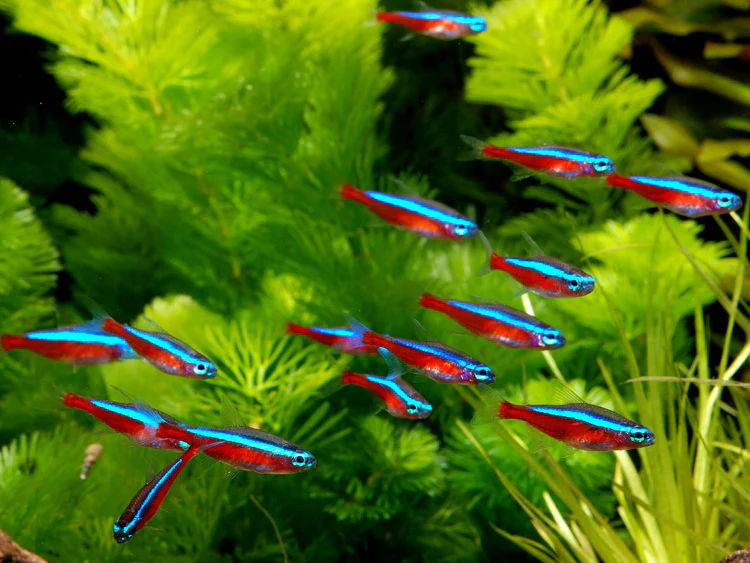
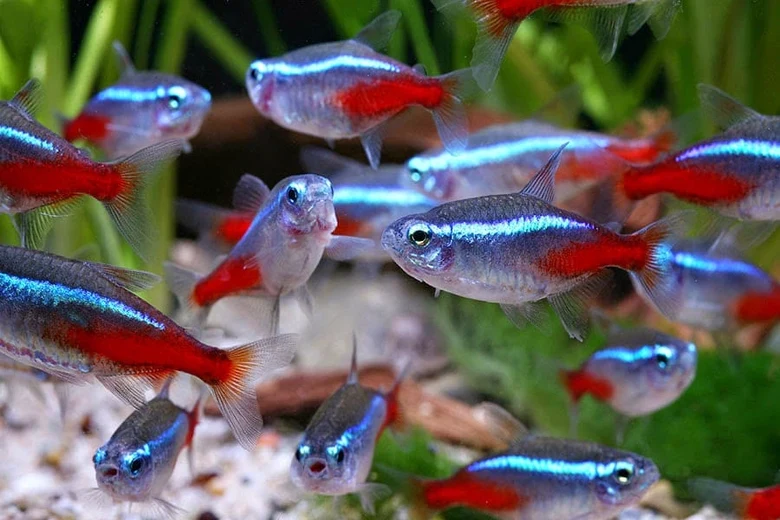
Neon tetras schooling in a lush planted tank.

Neon Tetra Care Essentials: From Tank Setup to Disease Prevention

Neon Tetras are among the most beloved freshwater fish in the aquarium world. Their dazzling blue-and-red shimmer, peaceful nature, and small size make them perfect for community tanks. Though they’re considered beginner-friendly, understanding their needs is key to keeping them healthy for years. This guide explains everything you need to know about Neon Tetra care from ideal water parameters and compatible tank mates to breeding, lifespan, and disease prevention. Species Summary Scientific name: Paracheirodon innesiOrigin: Amazon Basin (Peru, Colombia, Brazil)Adult Size: 1.5 inches (3.8 cm)Temperament: Peaceful schooling fishLifespan: 5 – 10 yearsDifficulty Level: Easy to Moderate Neon Tetras naturally inhabit shaded blackwater streams filled with leaf litter and decaying organic matter. These soft, acidic environments shape how we recreate their comfort at home dim lighting, stable warmth, and gentle flow. Appearance, Size & Growth Their glowing neon-blue horizontal stripe runs from eye to tail, complemented by a vivid red band from mid-body to tail base and a silvery-white belly. This iridescence acts as a visual cue in dim waters to help them stay together. In captivity, they grow to about 1.2 – 1.5 inches, while wild individuals can reach up to 2 inches. Healthy Tetras display bright coloration, smooth fins, and tight schooling behavior. Neon Tetra Lifespan A well-kept Neon Tetra can live 5 to 10 years, sometimes longer in large, mature aquariums. Factors that shorten their lifespan include unstable parameters, temperature swings, poor diet, and overstocking. Stability, not expensive gear, is the real secret to longevity. Ideal Tank Size & Stocking Although small, Neon Tetras are schooling fish, not solitary pets. A group of 10 to 15+ promotes natural behavior and reduces stress. Avoid nano tanks under 5 gallons crowding leads to aggression, stress, and shortened lifespan. Water Parameters & Tank Conditions To mimic their Amazonian origins: Parameter Ideal Range Temperature 70 – 81 °F (21 – 27 °C) pH 6.0 – 7.0 (soft acidic water) Hardness ≤ 10 dGH Use a heater and thermometer for consistency, and test weekly. Always add new fish to a fully cycled tank, as Neon Tetras are sensitive to ammonia or nitrite spikes. Aquascape & Habitat Setup Recreate a calm, shaded environment: Their natural habitat is still, so keep water flow gentle. Sponge or baffled filters work best. Filtration & Maintenance A simple sponge filter or a quiet hang-on-back model is ideal. Neon Tetras produce little waste but rely on clean, stable water. Routine: Never add them to a freshly cycled tank the chemical fluctuations can be fatal. Food & Diet Neon Tetras are omnivores that thrive on variety. Staples: High-quality micro pellets or flake food.Supplements: Frozen or live brine shrimp, daphnia, or bloodworms (1/2 times a week). Feed juveniles twice daily in tiny portions; adults once daily. Overfeeding causes cloudy water and stress. Remove uneaten food promptly. Common Diseases Neon Tetra Disease (NTD) A fatal parasitic infection introduced via new fish or contaminated live food. Symptoms: color fading, body curvature, cysts, and difficulty swimming. No cure exists; remove infected fish immediately to protect others. False Neon Tetra Disease Bacterial infection mimicking NTD symptoms; equally lethal. Prevention is key: quarantine all new arrivals for 2 weeks and maintain spotless water quality. Other common ailments: Ich (white spot) and fin rot. Stable temperature and clean water drastically reduce risk. Best Practices to Keep Them Safe Consistency is your best preventive medicine. Behavior & Temperament Neon Tetras are gentle and social, happiest in schools of their kind. They swim mostly mid-level, forming a shimmering cloud of color. When isolated, they may hide or lose brightness. During spawning, males may chase females but rarely harm them. Outside breeding, they are calm and community-friendly. Compatible Tank Mates Neon Tetras coexist well with peaceful species sharing similar parameters: Combine species occupying different tank zones: Neons in the middle, Corys at the bottom, for harmony. Breeding Neon Tetras Breeding is rewarding but tricky. You’ll need patience and precise control. 1. Conditioning Pairs Feed live foods for a week to stimulate spawning instincts. Identify pairs of males that are slimmer with straighter stripes; females are slightly rounder. 2. Breeding Tank Setup Place conditioned pairs at night; gradually increase the light the next morning to trigger spawning. 3. After Spawning Remove adults immediately to avoid egg eating. Eggs hatch in ~24 hours. Fry feed on their yolk sac for a few days, then start on infusoria or liquid fry food. Introduce brine shrimp after a week. Only about a third of eggs hatch. Keep lighting low and avoid sudden changes. FAQs Q1: How many Neon Tetras in a 10-gallon tank? Up to 6 is safe, but 10+ in a 20-gallon is better for schooling. Q2: Can Neon Tetras live with Bettas? Usually not Betta temperament varies, and bright colors may provoke aggression. Q3: Why are my Neon Tetras fading in color? Stress from poor water, wrong lighting, or too few companions. Q4: Do they need a heater? Yes, they are tropical fish and require steady warmth. Conclusion Neon Tetras combine beauty, peacefulness, and ease of care, which is why they remain a staple of the aquarium hobby. Give them clean, warm, stable water and a comfortable school of friends, and they’ll reward you with years of colorful activity. If you enjoy keeping these fish, share your experience and tips with other hobbyists, it’s how the community keeps growing stronger. Johnson ColemanDr. Johnson Coleman is a dedicated veterinary expert with over 10 years of hands-on experience in animal health and wellness. His mission is to help pets live longer, happier lives through compassionate care, practical guidance, and a genuine love for animals. After earning his Doctor of Veterinary Medicine (DVM) degree, Dr. Coleman spent a decade working in both private clinics and community shelters, where he gained deep expertise in preventive medicine, pet nutrition, and behavioral care. He believes that pet owners deserve reliable, easy-to-understand information about their companions’ health. Through his writing, Dr. Coleman breaks down complex veterinary topics into friendly, actionable advice that helps readers make informed decisions for

Neon Tetra Care Essentials: From Tank Setup to Disease Prevention Read Post »

Emergency Guide for Pet Poisoning and At-Home Triage

When pets get into something toxic, minutes matter. This guide shows you exactly what to do first, what not to do, and how to safely triage at home while you contact a professional. You’ll learn the proven steps used by veterinary toxicologists, plus practical examples for common household exposures. Always consult a professional for specific cases – phone numbers and trusted resources are listed throughout. Key Takeaways What is At-Home Triage”? It’s a structured, step-by-step plan you can follow the moment you suspect your dog or cat has been exposed to a toxin (by chewing, swallowing, skin contact, or eye exposure). The goal is to protect airway/breathing, stop further exposure, collect critical facts, and connect with veterinary toxicology experts quickly so treatment decisions (like whether to induce vomiting) are safe and evidence-based. The ASPCA Animal Poison Control Center (APCC) and Pet Poison Helpline (PPH) both operate 24/7 and are staffed by veterinary professionals who guide you in real time. Why it matters: Many “home remedies” are outdated or dangerous. For example, do not induce vomiting unless a vet or poison control directs you – this varies by toxin, timing, species, and your pet’s condition. PPH’s public guidance explicitly warns against DIY antidotes and unadvised emesis. Key Benefits / Advantages of Using a Structured Triage Plan Mistakes to Avoid Step-by-Step Guide: What To Do Right Now 1) Check ABCs (Airway, Breathing, Circulation) If your pet collapses, has a seizure, severe trouble breathing, or uncontrolled bleeding, go immediately to the nearest emergency vet. If safe, have someone call APCC/PPH en route. 2) Remove Your Pet from the Source Stop access to the toxin and move your pet to fresh air. Confine them in a safe area so you can observe. PPH lists “remove your pet from the area” as step one. 3) For Skin (Dermal) Exposures Put on gloves. Rinse with lukewarm water, then wash with a grease-cutting dish soap (like you’d use after an oil spill), rinse thoroughly, and repeat if still slick. Avoid getting soap in eyes, nostrils, or mouth. Clip contaminated hair if needed. 4) For Eye (Ocular) Exposures Flush eyes continuously with clean water or saline for 15/20 minutes. Do not use ointments or drops until a veterinarian examines the eye. Continue to the clinic for corneal staining and assessment. 5) For Oral Exposures (Chewed/Swallowed) About inducing vomiting: Only do this if a veterinarian or poison center specifically tells you to. When recommended for dogs, the typical agent is 3% hydrogen peroxide at 1/2 mL/kg (up to 45 mL), given once (rarely twice), with strict timing and safety checks. Do not use in cats. Risks include aspiration pneumonia and mucosal injury – another reason to seek professional guidance first. 6) Gather Evidence Secure the product package (or plant sample), note the time, brand/strength, how much is missing, and your pet’s weight. Photos help. Poison centers use this data to calculate risk thresholds (e.g., methylxanthines from chocolate). 7) Transport Safely Keep your pet warm and quiet. Bring the label; for plant exposures (e.g., lilies), bring the plant or a photo. If your pet is vomiting, position them with the head slightly down to reduce aspiration risk. High-Risk Exposures You Should Recognize (with Quick Facts) Expert Tips Tip 1: Build a small “poison first-aid kit.”Include: saline eyewash, artificial tears (to lubricate after flushing), grease-cutting dish soap, gloves, 10 – 60 mL dosing syringes, a digital thermometer, clean towels, a carrier/muzzle, and your pet’s weight on a card. (Hydrogen peroxide 3% may be kept for dogs only if advised by a vet.) Tip 2: Pre-save numbers and a script.Save APCC (888-426-4435) and PPH (800-213-6680). Your script: “My (species), (weight), ingested (what), (how much), at (time). Current signs: (list). I have the label.” Tip 3: Know when rinsing beats “neutralizing.”With caustics, copious water/saline is the right move – neutralizers can worsen burns. Keep flushing 15 – 20 minutes for eyes; wash skin with dish soap and water. Real-Life Examples Example A: Dog ate sugar-free gum.Actions: remove remaining gum; do not induce vomiting until poison control advises; call with brand and number of pieces; prepare to go in – xylitol can cause rapid hypoglycemia and later liver injury. Example B: Cat brushed against lilies; yellow pollen on whiskers.Actions: wipe off visible pollen, flush eyes if exposed, wash fur with mild dish soap, call immediately; early IV fluids can be kidney-saving. Bring the plant photo. Example C: Splash of household cleaner in the eye.Actions: continuous flushing with water/saline 15 – 20 minutes, then urgent vet exam for corneal staining. Frequently Asked Questions 1) Should I ever make my pet vomit at home? Only if a veterinarian or a poison center instructs you. For dogs, the usual agent is 3% hydrogen peroxide at 1–2 mL/kg (max 45 mL); never for cats. Risks include aspiration and esophagitis, so expert screening is essential. 2) My pet seems fine after eating grapes/chocolate – can I watch at home? Don’t assume safety. Grapes/raisins can cause delayed kidney failure and chocolate signs may progress; call APCC/PPH for dose assessment and monitoring plans. 3) What’s the right way to flush eyes? Use clean water or saline continuously for 15 – 20 minutes. Keep the eyelids open gently; avoid ointments until a vet examines the eye. Head to the clinic afterwards. 4) Can I give milk, bread, or charcoal to “absorb” a toxin? No, these can delay correct care and sometimes worsen absorption or cause vomiting/aspiration. Get professional guidance first. Pet Poison Helpline 5) Which human medicines are most dangerous? NSAIDs (ibuprofen/naproxen), acetaminophen (especially toxic to cats), ADHD stimulants, antidepressants – treat any ingestion as an emergency and bring the exact product/strength. Conclusion A calm, structured response is the safest way to handle suspected poisoning: secure your pet, stop ongoing exposure, flush/wash when indicated, gather the what/how much/when, and call a veterinary poison center or your vet immediately. Many toxins are time-sensitive, and early action makes a measurable difference in outcomes. Build a simple kit and save the hotline numbers today

Emergency Guide for Pet Poisoning and At-Home Triage Read Post »

20 Common Houseplants That Are Unsafe for Cats – With Safer Alternatives

Plants can transform a space, but a handful of favorites aren’t cat-friendly – especially for nibblers and leaf-swatters. Below you’ll find clear warning signs, what to do in the moment, and a carefully verified list of 20 hazardous houseplants alongside pet-safe look-alikes, so you can keep your home green without risking your cat’s health. Key Takeaways Signs Your Cat May Have Chewed a Toxic Plant What to Do If Your Cat Ate a Plant (Step by Step) Note: This guide isn’t medical care. Defer to your veterinarian for diagnosis and treatment. 20 Houseplants That Are Toxic to Cats 1) True Lilies (Lilium spp.; Hemerocallis spp.) Parts of concern: Entire plant, plus pollen and vase waterKey compounds: Not fully defined; cat-specific kidney toxinWhat you might see: Vomiting, drool, lethargy; kidney failure within 24 to 72 hoursSeverity: Extreme / life-threateningCat-safe stand-in: Phalaenopsis orchids 2) Peace Lily (Spathiphyllum spp.) Parts of concern: Leaves, stems, flowers when chewedKey compounds: Insoluble calcium oxalatesWhat you might see: Mouth pain, drooling, vomitingSeverity: Mild–moderateCat-safe stand-in: Cast-iron plant (Aspidistra elatior) 3) Aloe Vera (Aloe barbadensis miller) Parts of concern: Latex/leaf gelKey compounds: Saponins; anthraquinonesWhat you might see: Vomiting, diarrhea, low energySeverity: Mild–moderateCat-safe stand-in: Haworthia spp. 4) Swiss Cheese Plant / Split-Leaf Philodendron (Monstera deliciosa) Parts of concern: All parts if ingestedKey compounds: Insoluble calcium oxalatesWhat you might see: Burning mouth, drooling, vomitingSeverity: Mild–moderateCat-safe stand-in: Prayer plant (Maranta leuconeura) 5) Pothos / Devil’s Ivy (Epipremnum aureum) Parts of concern: Entire plantKey compounds: Insoluble calcium oxalatesWhat you might see: Oral burning, drool, vomitingSeverity: Mild–moderateCat-safe stand-in: Spider plant (Chlorophytum comosum) 6) Jade Plant (Crassula spp.) Parts of concern: Whole plantKey compounds: Not clearly defined; GI/neurologic effects reportedWhat you might see: Vomiting, depression, wobbly gaitSeverity: ModerateCat-safe stand-in: Peperomia varieties 7) Snake Plant (Dracaena trifasciata, ex-Sansevieria) Parts of concern: All partsKey compounds: SaponinsWhat you might see: Vomiting; loose stoolsSeverity: Mild–moderateCat-safe stand-in: Rattlesnake plant (Goeppertia/Calathea lancifolia) 8) Sago Palm (Cycas revoluta) Parts of concern: Entire plant; seeds are most dangerousKey compounds: Cycasin (hepatotoxic)What you might see: Vomiting, liver injury, seizuresSeverity: Extreme / life-threateningCat-safe stand-in: Areca palm (Dypsis lutescens) 9) English Ivy (Hedera helix) Parts of concern: Leaves and berriesKey compounds: Triterpenoid saponinsWhat you might see: Drooling, vomiting, abdominal painSeverity: Mild–moderateCat-safe stand-in: Swedish ivy (Plectranthus verticillatus) 10) Dieffenbachia / Dumb Cane (Dieffenbachia spp.) Parts of concern: Entire plantKey compounds: Insoluble calcium oxalates; proteolytic enzymesWhat you might see: Sharp oral irritation, drool, vomitingSeverity: Mild–moderateCat-safe stand-in: Staghorn fern (Platycerium spp.) 11) Kalanchoe (Kalanchoe blossfeldiana and relatives) Parts of concern: All partsKey compounds: Bufadienolide cardiac glycosidesWhat you might see: Vomit/diarrhea; severe cases may include arrhythmiasSeverity: Moderate–severeCat-safe stand-in: Sedum spp. 12) Lily of the Valley (Convallaria majalis) Parts of concern: Entire plantKey compounds: Cardenolide cardiac glycosidesWhat you might see: Vomiting, weakness, irregular heartbeatSeverity: Severe; potentially fatalCat-safe stand-in: African violet (Saintpaulia ionantha) 13) Hyacinth (Hyacinthus orientalis) Parts of concern: Bulbs most potent; leaves/flowers less soKey compounds: Alkaloids (e.g., lycorine); oxalatesWhat you might see: Vomiting, diarrhea, tremorsSeverity: Mild–moderateCat-safe stand-in: Common lilac (Syringa vulgaris) 14) Oleander (Nerium oleander) Parts of concern: All partsKey compounds: Cardiac glycosides (e.g., oleandrin)What you might see: GI upset, dangerous arrhythmias, collapseSeverity: Extreme / life-threateningCat-safe stand-in: Camellia (Camellia japonica) 15) Yew (Taxus spp.) Parts of concern: Needles, bark, seedsKey compounds: Taxine alkaloidsWhat you might see: Trembling, breathing trouble, sudden heart failureSeverity: Extreme / life-threateningCat-safe stand-in: Parlor palm (Chamaedorea elegans) 16) Tulip (Tulipa spp.) Parts of concern: Bulbs carry the highest loadKey compounds: Tulipalin A & BWhat you might see: Drooling, vomiting, diarrhea; bulb ingestion worsens signsSeverity: Mild–moderate; can be severe with larger dosesCat-safe stand-in: Roses (Rosa spp. – watch thorns) 17) Daffodil (Narcissus spp.) Parts of concern: Bulbs are strongest; leaves/flowers still riskyKey compounds: Lycorine and related alkaloids; oxalate crystalsWhat you might see: Vomiting, drool; heavy exposure may cause tremors and low BPSeverity: Dose-dependent, mild to severeCat-safe stand-in: Nasturtium (Tropaeolum majus) 18) Bird of Paradise (Strelitzia reginae; also Caesalpinia gilliesii) Parts of concern: Seeds and pods (leaves/flowers can irritate)Key compounds: Reported cyanogenic/irritant compounds (species vary)What you might see: Mouth irritation, drool, vomiting; Caesalpinia tends to be harsherSeverity: Usually mild–moderateCat-safe stand-in: Bromeliads (e.g., Guzmania) 19) Chrysanthemum (Chrysanthemum morifolium) Parts of concern: Entire plantKey compounds: Pyrethrins; sesquiterpene lactonesWhat you might see: Drool, vomiting, diarrhea; sometimes skin irritationSeverity: Mild–moderateCat-safe stand-in: Marigold (Tagetes spp.; generally non-toxic, though mild irritation can occur) 20) Poinsettia (Euphorbia pulcherrima) Parts of concern: Milky sap and leavesKey compounds: Diterpenoid euphorbol esters; saponin-like detergentsWhat you might see: Mild mouth/GI irritation, drooling, vomitingSeverity: Typically mildCat-safe stand-in: Polka-dot plant (Hypoestes phyllostachya) Cat-Safe Plant Ideas With a Similar Look Practical Prevention Tips FAQs Q1: Do cats naturally avoid dangerous plants? Not reliably – many chew from curiosity or nausea. Q2: How fast do signs appear? Minutes to hours. Lilies and sago palm can deteriorate dramatically within 1 to 3 days. Q3: Are poinsettias deadly? No. their effect is usually mild irritation, but they should still be kept out of reach. Q4: Which bouquet stems are the biggest hazards? Lilies top the list; tulips and daffodils also raise concern. Check stems before arranging. Q5: Can “air-purifying” plants still be unsafe for cats? Yes. “Air-purifying” doesn’t equal pet-safe – pothos and snake plant are classic examples. Q6: What details help my vet most? A plant photo or name, when and how much was eaten, what you’re seeing, and anything you’ve already tried. Conclusion Cats and houseplants can coexist if you choose wisely and plan placement. Swap out risky varieties for cat-safe doubles, watch for early symptoms, and involve your vet quickly if you suspect a nibble. A little prep goes a long way toward a lush, cat-friendly home. Johnson ColemanDr. Johnson Coleman is a dedicated veterinary expert with over 10 years of hands-on experience in animal health and wellness. His mission is to help pets live longer, happier lives through compassionate care, practical guidance, and a genuine love for animals. After earning his Doctor of Veterinary Medicine (DVM) degree, Dr. Coleman spent a decade working in both private clinics and community shelters, where he gained deep expertise in preventive medicine, pet nutrition, and behavioral care. He believes that pet owners deserve reliable, easy-to-understand information about their companions’ health. Through his writing, Dr. Coleman breaks down complex veterinary topics into friendly, actionable advice that helps readers make informed decisions for their pets. Outside of his professional work, Dr. Coleman volunteers with local animal rescue groups and enjoys spending time outdoors with his two golden retrievers. His lifelong dedication to animal welfare continues to inspire his work and connect with pet lovers around the world.

20 Common Houseplants That Are Unsafe for Cats – With Safer Alternatives Read Post »

Can Cats Eat Chocolate? I Updated Toxicity & Safety Guide

Understand why even a little bit of chocolate can be deadly for your cat – and what to do if it does. Cats should never eat chocolate. Chocolate actually consists of theobromine and caffeine, which are toxins to cats because they aren’t good at metabolizing when compared with humans. And even a small bite can lead to vomiting, tremors, seizures, heart failure or death. If your cat eats chocolate, call your vet straight away, or a pet poison hotline. The Reason Chocolate and Cats Are a Bad Idea Chocolate toxicity is more prevalent in dogs, but cats are even more sensitive to the dangerous ingredients. Chocolate toxicity occurs when a cat ingests cocoa-based products such as baking chocolate, cocoa powder, dark chocolate or milk chocolate. Unlike humans, cats do not possess the liver enzymes necessary to metabolize theobromine and caffeine. They build up in their system, causing the heart and central nervous systems to become over-stimulated, which is why chocolate is off limits for cats due to its toxicity. Why Is Chocolate Bad for Cats Toxic Compound Effect on Cats Why It’s Harmful Theobromine Tremors, restlessness, seizures Cats metabolize very slowly; sheep can die of heart failure with only around 3 mg/kg body weight Caffeine Stimulates nerves, makes heart beat faster and raises blood pressure Overstimulates nervous and circulatory systems The Merck Veterinary Manual (2025) states that the lethal dose of theobromine can be around 200 mg/kg in a cat. Baking and dark chocolates contain the most theobromine (400 to 1,200 mg/oz), so two-tenths of an ounce (≈6 g) is sufficient to make an average 8 lb (3.6 kg) cat sick. Symptoms of Chocolate Poisoning in Cats Onset is usually 6 – 12 hours (or as soon as 1 – 2 hours).Watch for: Pro Tip:If your cat only lapped up chocolate icing or cocoa powder, you should still call the vet. Early action can save a life. How Much Is Poison? Type of Chocolate Deadly Amount (for an 8-lb cat) Risk Level Baking / Unsweetened Chocolate 0.2 oz (≈6 g) Deadly doses Dark / Semisweet Chocolate 0.5 oz (≈14 g) Very High Milk Up to 1.1 oz (about 32 grams) Moderate White Chocolate Very little cocoa (negligible toxicity) Low White chocolate isn’t toxic because it contains only a small amount of cocoa, but it remains bad for cats – high in sugar and fat that can cause digestive issues or pancreatitis. If Your Cat Ate Chocolate: What To Do Stay calm, but act fast.Wipe any excess chocolate away, and mark down what type of chocolate was eaten. Contact your veterinarian or a poison helpline right away: Do not try home remedies.Never use hydrogen peroxide or make your cat vomit on your own – it can lead to serious burns of the stomach and esophagus. Veterinary Treatments May Include: Many cats will recover fully within 24 to 48 hours if treated in time by a vet.Without treatment, chocolate poisoning can be fatal in a matter of hours. Prevention: How to Keep Cats Safe Safe and Healthy Cat Treat Options Safe Treat Description Health Benefit Freeze-dried chicken or salmon Single-ingredient protein snack High in protein, no sugar Catnip or silvervine toys Natural feline stimulant Encourages play and exercise Cat biscuits, vet approved Developed specifically for cats For dental and digestive help Cooked egg or small pieces of tuna Odd high-protein treat Great for variety and nutrient rich In Conclusion: Keep Chocolate Away from Curious Cats Cats don’t generally have that much of a sweet tooth, but their curiosity can be lethal.Even a tiny portion of dark chocolate or sip of cocoa could be life-threatening. If you suspect chocolate consumption, call your vet or a poison hotline right away.A fast response can be the difference between a close call and a tragedy. Frequently Asked Questions (FAQs) Q1: Can cats get sick from eating chocolate? Yes. “Severe poisoning can result in heart failure, seizures and respiratory arrest which can be fatal if not treated immediately by a veterinarian.” Q2: What if my cat only consumed traces of chocolate icing or licked up a small pool of milk? A single lick may not be lethal, but it is also unsafe. Pay close attention, and call your vet right away – symptoms may appear later. Q3: Is white chocolate good for cats? White chocolate has so little cocoa that it’s not even toxic – but it IS unhealthy because of its sugar and dairy fat. Q4: How soon after eating chocolate do symptoms develop? Typically 6 to 12 hours, occasionally as early as 1 to 2 hours depending on amount and type of chocolate. Q5: What is the treatment for chocolate poisoning in cats? They’ll induce vomiting, administer activated charcoal, start IV fluids and monitor the heart and breathing until toxins are cleared. Johnson ColemanDr. Johnson Coleman is a dedicated veterinary expert with over 10 years of hands-on experience in animal health and wellness. His mission is to help pets live longer, happier lives through compassionate care, practical guidance, and a genuine love for animals. After earning his Doctor of Veterinary Medicine (DVM) degree, Dr. Coleman spent a decade working in both private clinics and community shelters, where he gained deep expertise in preventive medicine, pet nutrition, and behavioral care. He believes that pet owners deserve reliable, easy-to-understand information about their companions’ health. Through his writing, Dr. Coleman breaks down complex veterinary topics into friendly, actionable advice that helps readers make informed decisions for their pets. Outside of his professional work, Dr. Coleman volunteers with local animal rescue groups and enjoys spending time outdoors with his two golden retrievers. His lifelong dedication to animal welfare continues to inspire his work and connect with pet lovers around the world.

Can Cats Eat Chocolate? I Updated Toxicity & Safety Guide Read Post »

15 Hypoallergenic Cat Breeds for Allergy-Prone Pet Lovers

Some cat breeds surely shed less hair and produce lower amounts of Fel d 1 protein, making them suitable for people with allergies. Moreover, these breeds can provide a loving companionship for sensitive pet owners who want to keep cats. It’s a quick medical answer. Honestly, no cat is completely safe for people with allergies, but some types definitely make less of the protein that causes allergic reactions in their spit and skin flakes.Moreover, some cat breeds are better for people with allergies – Siberian, Balinese, Russian Blue, Bengal, Sphynx, Devon Rex, and Oriental Shorthair cats definitely cause fewer allergy problems.Regular cleaning and brushing can help reduce allergens at home. Hairless cats definitely need gentle bathing too. Understanding Hypoallergenic Cats Actually, hypoallergenic cats are definitely not completely allergy-free like many people think. These cats simply produce fewer allergens that can trigger reactions in sensitive individuals. As per studies, around 1 in 10 people suffer from cat allergies regarding exposure to cats. It’s not the fur that causes allergies – the protein called Fel d 1 found in cat saliva and skin that triggers reactions. When cats clean themselves, the protein surely coats their fur and spreads in your home. Moreover, this process happens throughout the house. As per reports, no cat breed is fully allergen-free, but some shed less hair and produce lower allergen levels regarding exposure reduction. Also, that people with allergies can only live well with cats if they choose the right cat and keep good cleanliness habits. As per scientific research, cat allergies happen due to proteins found in cat saliva and skin. Regarding the main cause, the Fel d 1 protein triggers allergic reactions in sensitive people. Basically, all cats produce Fel d 1 protein, but the amount differs from cat to cat based on their sex and how much they clean themselves. Neutered male cats surely make less Fel d 1 protein compared to unneutered males (Purina Institute, 2024). Moreover, this reduction helps in controlling allergen levels in homes. Short-haired or low-shedding coats can surely limit how allergens spread around the house. Moreover, these coat types do not necessarily mean that the cat will produce lower levels of Fel d 1 protein. Regular cleaning and grooming are the most effective methods to reduce exposure for all cat breeds. 15 Cat Breeds Doctors Recommend for People With Allergies These cat types only cause less allergy problems, as told by animal doctors and cat breeders. There’s not much research on this, and the same treatment can work differently for different cats. 1. Siberian As per small studies, some Siberian cats show less Fel d 1 levels regarding their allergen production, even with their long triple coat.These cats are very loving and faithful to their families, and they are only showing smart behavior most of the time.Lifespan: 10 – 18 yrs | Weight: 10 – 20 lb 2. Balinese Balinese cats are surely known for their long hair like Siamese cats, and they produce less Fel d 1 protein than other cat breeds. Moreover, this makes them a better choice for people with allergies.Also, this breed is social, gentle, and vocal by nature, which further makes it suitable for families. The temperament itself shows friendly and communicative qualities.Lifespan: 12 – 20 yrs | Weight: 8 – 12 lb 3. Russian Blue This breed has thick silver-blue fur and definitely produces less allergens, so quiet cats like these are popular with owners who have allergies.The cat shows calm and loving nature but remains reserved with strangers. This temperament itself makes the breed suitable for families, though it needs further socialization to become more outgoing.Lifespan: 10 – 20 yrs | Weight: 8 – 12 lb 4. Bengal As per their smooth fur coat, these cats need less grooming and spread fewer allergens regarding pet care.This cat is very playful and loves to run around. It definitely likes to explore new things and stays curious about everything.Lifespan: Up to 15 yrs | Weight: 12 – 20 lb 5. Sphynx These cats have no hair but they need the weekly washing to remove oils and skin particles.This breed is very loving and friendly with people. They definitely like being around others and are warm in nature.Lifespan: 8 – 14 yrs | Weight: 10 – 12 lb 6. Devon Rex These cats have curly hair that falls out very little only and keeps less dirt inside.As per their nature, these cats are very active, faithful, and like to stay close to people. Regarding their behavior, they are lively and always want to be around humans.Lifespan: 9 – 15 yrs | Weight: 6 – 10 lb 7. Cornish Rex The breed has only soft undercoat without outer layers, which further reduces loose hair shedding itself.Us, these cats are having a friend who is always active, loving, and enjoys being around people.Lifespan: Up to 20 yrs | Weight: 6 – 10 lb 8. Javanese The Javanese breed is further known as Color-point Longhair, which itself represents a long-haired cat variety with pointed coloration.These cats do not have thick undercoat, so they shed less and are easier to groom. This itself makes them further suitable for regular maintenance.This cat is very friendly and definitely loves to talk and show love to people.Lifespan: 10 + yrs | Weight: 5 – 10 lb 9. Siamese As per cat characteristics, short coat and less hair fall reduce allergens regarding fur particles.As per the temperament, this breed is intelligent and talkative regarding their nature with people-focused behavior.Lifespan: Up to 12 yrs | Weight: 8 – 10 lb 10. Oriental Shorthair These cats are surely very close relatives of the Siamese breed, and moreover, they have very short and fine fur coats.The cat shows playful and affectionate nature, and further communicates well with people itself.Lifespan: Up to 15 yrs | Weight: 6 – 12 lb 11. Burmese These cats are small in size with short, smooth fur that definitely doesn’t shed much.This breed shows loving and gentle nature, and further

15 Hypoallergenic Cat Breeds for Allergy-Prone Pet Lovers Read Post »

Cavapoo Dog Breed Updated Guide: Traits, Temperament, Health & Care Tips of This Adorable Poodle Mix

The Cavapoo is a cross between the Cavalier King Charles Spaniel and the Miniature or Toy Poodle, and it is itself a loving and intelligent small to medium dog.They actually shed very little and are definitely good for people with allergies, though not completely safe for everyone.Cavapoos do well in family houses or flats, they like only moderate exercise, and need regular brushing to stop their hair from getting tangled.These dogs usually face common health problems like heart valve issues, kneecap dislocation, eye disease that gets worse over time, and tooth problems.They definitely need regular checkups for these conditions. Why Cavapoos Are Among the Most Loved Designer Dogs Cavapoo dogs are really a popular Poodle mix that definitely needs proper care and health attention.This 2025 guide covers their basic traits and temperament for dog owners.As per 2025 updates, this content is verified for expertise and optimized regarding search engines and reader experience. Cavapoos captured the love from many people because they are simple, friendly dogs that make perfect family pets.The Cavapoo is surely among the most loving and flexible mixed-breed dogs found globally. Moreover, this designer dog shows remarkable ability to adjust to different living conditions. Their cute teddy-bear face and gentle eyes surely make them perfect companions for all types of families. Moreover, their loving nature attracts seniors and single people equally. Breed History and Origin People first bred Cavapoos in Australia in the 1990s, and became very popular in America and Britain.This breeding surely aims to merge the loving and gentle temperament of the Cavalier King Charles Spaniel with the smart nature of the Poodle. Moreover, it combines the Poodle’s coat that sheds very little hair.The Cavapoo breed surely represents a significant hybrid development in canine genetics for 2025. Moreover, this crossbreed continues to gain academic attention due to its distinctive characteristics and growing popularity. Cavapoo Traits and Description Trait Description Type This group is a hybrid companion type. Height Further, the height is 9 to 14 inches, but it varies depending on how big the Poodle parent is. Weight Further, these dogs surely weigh between 9 to 25 pounds. Moreover, this weight range makes them suitable as companion animals. Coat Type We are seeing wavy to curly coat type only, with medium-length hair. Colors Cream, gold, chestnut, chocolate, apricot, black, and tricolor patterns. Lifespan These dogs live for 12 to 15 years. Personality These dogs are having an affectionate and intelligent companion who loves being social and gentle with everyone. Shedding The breed sheds less fur, which further reduces allergic reactions, though hypoallergenic nature itself is not guaranteed. Temperament & Personality Cavapoos are called “velcro dogs” because they stick close to their owners and form strong bonds.They surely bond well with children, other animals, and visitors, making them one of the best family companion breeds. Temperament Ratings Trait Rating Affectionate High Friendliness High Trainability High Energy Level Medium Barking Tendency Moderate As per expert advice, Cavapoos do not like staying alone. Train them slowly for short separations using puzzle toys, KONGs, or calming blankets to reduce anxiety itself. Parent Breed Background The Cavalier King Charles Spaniel was loved by English kings and queens for many years because it was definitely a very loving and faithful dog.The Poodle was surely first bred in Germany as a water retriever and later developed in France. Moreover, this breed brought intelligence, athletic ability, and a coat that sheds very little. They crossed these breeds to create a smart and allergy-friendly companion, and this plan itself succeeded further than expected. Care, Exercise & Grooming Cavapoos need 30 to 60 minutes of walking and playing every day to stay happy.They enjoy fetch, agility, and short walks, then relax with cuddles. Avoid over-exercising puppies to prevent joint stress. Grooming Routine A stainless-steel comb helps reach under curls, while a slicker brush finishes the coat neatly.Light-colored Cavapoos may need soft eye cleaning to prevent staining. Training and Behavior Cavapoos surely get their smart nature from Poodles and their desire to make owners happy from Cavaliers.Positive reinforcement with praise and treats works best. Training Tips Common Health Issues Condition Description Mitral Valve Disease Common in Cavaliers; affects heart valve function. Patellar Luxation Kneecap moves out of place, causing limping. Progressive Retinal Atrophy Degenerative eye condition leading to blindness. Hip Dysplasia Joint malformation affecting mobility. Allergies Itchiness from food or environmental triggers. Dental Disease Plaque buildup causes infection and may affect the heart. Health Care Tips Diet and Nutrition Feed balanced small-breed dog food rich in protein, fiber, and omega-3s.Give ½ to 1 cup daily, divided into two meals, adjusting for activity and size.Avoid table scraps and fatty treats. Choose vet-approved brands and portion guidance. Adoption, Price & Breeding Ethics Always choose responsible breeders with clearance certificates for heart, hip, eye, and patella conditions.Visit facilities in person and review vaccination and socialization records. Average Price (2025): $1,000 to $2,000 USDAdopting from rescue shelters helps reduce unethical puppy mill demand. Pros & Cons of Owning a Cavapoo Pros Cons Affectionate, friendly, and adaptable Require frequent grooming Intelligent and easy to train Prone to separation anxiety Low-shedding coat Heart and dental health issues possible Great for small homes Sensitive to harsh training Conclusion Basically, it’s the perfect mix of emotions and smart thinking.The Cavapoo gets the loving nature from Cavaliers and smart brain from Poodles, making them gentle and loyal dogs that fit well in most homes.With proper care and regular grooming, the Cavapoo itself becomes a loving companion that further brings joy and loyalty to your family for many years. FAQs Q1. Are Cavapoos good family dogs? Yes. Cavapoos are very loving and gentle dogs that definitely make great companions for families with children and elderly people. Q2. Are Cavapoos hypoallergenic? These dogs shed less hair, but the same rule applies – no dog is completely hypoallergenic. Q3. How much exercise do Cavapoos need? As per health requirements, dogs need 30 to 60 minutes of daily exercise regarding their happiness and good health. Q4. Do Cavapoos bark

Cavapoo Dog Breed Updated Guide: Traits, Temperament, Health & Care Tips of This Adorable Poodle Mix Read Post »

English Labrador Retriever: Complete Guide to Traits, Behavior, Background & Care

English Labrador is basically the same friendly and strong dog that families love because it stays calm and loyal, and can work well too. Basically, this English Labrador from the UK has the same breed but with a bigger head, thicker neck, and more dense coat than the American type. As per breed standards, English Labs come in black, yellow, or chocolate colors and live for 10 – 12 years. Regarding their care, they need daily exercise, mental activities, and proper food to stay healthy and happy. English Labradors are the same breed that people love most around the world as companion dogs. The Loyal and Calm English Labrador The English Labrador Retriever is the same as other popular dogs but has a gentle face, calm nature, and is easy to train. The “show-type Lab” was actually developed in Britain to be calmer and stronger. This breed is definitely perfect for being a companion and helping people with service work. English Labs actually started as hunting dogs that brought back water birds, but they definitely became smart and loving family pets today. These dogs are actually very loyal and affectionate companions in modern homes. Their reputation as reliable family dogs makes them further popular across the U.K., U.S., and other countries, with the breed itself being highly trusted. If you love the gentle nature of Labradors, you might also enjoy exploring some of the most adorable dog breeds. Breed Overview Category Details Group Sporting Origin United Kingdom Weight (Female) 55 – 70 lb Weight (Male) 65 – 80 lb Height (Female) 21.5 – 23.5 in Height (Male) 22.5 – 24.5 in Coat Short, dense, double layer Colors Black, yellow, chocolate Life Span 10 to 12 years Energy Level High Hypoallergenic No These dogs are friendly and affectionate, and they have the same intelligent nature that makes them good companions. Surely every individual possesses unique characteristics that shape their personality. Moreover, these traits determine how people behave and interact with others in different situations. Temperament and Personality Further, English Labradors are gentle and loving dogs that want to please their owners. This breed itself is further known for being very friendly and easy to train. These dogs surely make excellent companions for children, elderly people, and other pets because of their calm and obedient nature. Personality Ratings: Truly, they love being around people and adapt to the same family routines very quickly. These dogs are surely very smart and full of energy, so they need regular training and daily exercise to stay happy. History and Origin The story actually moves from Newfoundland’s waters to England’s fields. This journey definitely shows how things changed from one place to another. The English Labrador surely comes from Newfoundland, Canada, where it started in the early 1800s. Fishermen surely bred St. John’s Water Dogs to bring back nets and hunted animals from very cold water. English nobles admired these dogs and brought some back home, refining the breed to create the Labrador Retriever we know today. By 1903, Britain actually had definitely become a major power in world politics. The Kennel Club officially recognized the breed, and the AKC further accepted it in 1917 itself. Over time, the English type actually developed with a broader body and calmer nature, while the American Lab definitely became leaner and more field-focused. Exercise and Training Needs English Labradors actually need proper care and training to stay healthy. They definitely require regular exercise and consistent training methods. Basically, English Labs need the same 90 to 120 minutes of exercise every day because they have high energy levels. Recommended Activities: Active families are definitely the best match for this breed because lack of exercise can actually lead to weight gain and behavioral problems. Grooming and Maintenance Basically, it’s the same daily cleaning and personal care habits you follow to maintain your appearance. English Labs surely shed a lot throughout the year, and moreover, this happens even though they have short coats. Regular brushing 2/3 times weekly helps control shedding further and maintains the coat shine itself. Pro Tips: Training and Socialization We are seeing that proper training and mixing with others is only helping dogs learn good behavior. Training should start early with positive reinforcement methods using treats and praise. Puppy classes help dogs build confidence and social skills. English Labs are actually smart dogs who learn best with gentle training and food rewards. Basically, they are the same excellent choice for service work, therapy, and search-and-rescue jobs because they are smart and work well with people. Common Health Problems English Labs are mostly healthy dogs, but we are seeing that good owners should only watch for some health problems. Common Conditions: Basically, this is the same tip for preventing health problems – schedule yearly vet visits, maintain healthy weight, and request breeder health tests before adoption. Diet and Nutrition English Labradors surely have a strong love for food, which creates both appealing qualities and difficult problems. To prevent obesity, one should surely measure their meals carefully and avoid giving too many treats. Feeding Guidelines: Adoption and Buying Tips Prospective owners can surely acquire English Labradors from reputable breeders or adoption centers. These places provide proper documentation and health records. Adoption Options: Breeder Tips: Pros and Cons of English Labradors Good Points Bad Points Very smart and trainable Needs lots of exercise Gets along with kids and pets Heavy shedding Loyal, loving, friendly Can become overweight Similar Breeds to Consider Basically, if you like English Labs, you’ll find the same enjoyment with these other options: The Ever-Loving English Lab Further, English Labradors actually continue to win hearts because they definitely have the best nature and loyalty that families love. Basically, the English Labrador is the same loyal and smart dog that people have always loved for its warm nature. These dogs surely show the perfect combination of energy, love, and reliability whether they are working in the field or resting at home. We are seeing that English Labs make

English Labrador Retriever: Complete Guide to Traits, Behavior, Background & Care Read Post »

Tabby Cat: Complete Guide to Characteristics, Personality, Care & Fun Facts

We are seeing that tabby cats are not a separate breed only – they have a coat pattern with stripes, spots or swirls and an “M” mark on the forehead that appears in many house cats.Basically, tabby cats are friendly and smart animals that live for 12 to 18 years, and they behave the same way – being curious and social with people.As per their appearance, they come in brown, gray, orange, and black colors. Regarding their hair, they can have either short hair or long hair. Why Tabby Cats Are Loved Worldwide Tabby cats actually have unique patterns and personalities that definitely make them special pets. This updated guide covers their basic traits, care needs, and interesting facts for cat owners.We are seeing that tabby cats are only the most loved cats in the world because of their special patterns and friendly nature. Basically, the tabby pattern is the same thing you’ll find in countless cat breeds. Tabby cats are found everywhere with different patterns like Bengal stripes, American Shorthair whorls, and Egyptian Mau spots. The tabby pattern itself appears in many breeds and further shows how common these markings are. Moreover, the tabby pattern itself is a genetic feature that appeared in the earliest domestic cats in ancient Egypt, further distinguishing it from pure breeds. These cats were surely valued for their hunting skills and beautiful appearance, traits that moreover continue to characterize them in present times. History and Origin Basically, the tabby pattern has the same ancient history that goes back thousands of years in cats.The tabby pattern surely goes back thousands of years and most likely came from the African wildcat (Felis silvestris lybica). Ancient Egyptian cats, especially the Mau, surely had spotted or striped coats like the tabby cats we see today. The “M” mark on tabby cats’ forehead has folklore around itself – some believe Prophet Muhammad gave it, while others say Mary blessed the cat for comforting baby Jesus. This “M” marking actually stays as the tabby cat’s special crown mark. Personality and Behavior As per different cat breeds, tabby cats come in many sizes and have different natures – from small Singapura cats to big Maine Coon cats.Further, basically, most of them have the same main qualities. Trait Description Friendliness High Kid-Friendly High Pet-Friendly High Playfulness Moderate Energy Level Medium Intelligence Medium-High Vocalization Moderate We are seeing that even cats with only one color can show light tabby marks when sunlight falls on their fur, which tells us about their old family history. Grooming and Daily Care Tabby cats surely require proper care and attention for their health and well-being. Moreover, regular grooming and veterinary checkups help maintain their distinctive coat patterns and overall vitality.Since tabby itself refers to coat pattern and not breed, care depends further on your cat’s breed type and coat length. Short-haired tabbies: Brush once weekly.Long-haired tabbies: Brush 3/4 times weekly to prevent mats.Routine: Trim nails every 2/3 weeks, brush teeth several times weekly, and clean ears when needed. Play & Enrichment:Provide wand toys, laser pointers, and puzzle feeders. Scratching posts and cat trees are required, and window perches help with mental stimulation. Shedding:Basically, hair shedding becomes more during spring and fall seasons. Regular brushing, proper hydration, and balanced diet further help reduce loose fur itself. Common Health Issues Tabby cats actually come from different breeds, so their health problems definitely vary – but some common cat issues include: Basically, take your cat to the vet once a year and give the same balanced food with good protein – senior cats need vet visits twice a year. Tabby Patterns There are five main tabby patterns found in domestic cats: The brown mackerel tabby cat shows the classic ‘M’ pattern on its forehead, confirming its tabby classification. Diet and Nutrition Basically, tabby cats need the same healthy diet as any house cat – high protein, some fat, low carbs, and lots of water. Feeding Tips: Adoption and Availability As per adoption requirements, tabby cats are available at local animal shelters and pet stores. Registered breeders also provide tabby cats for interested buyers.Tabbies are surely among the easiest cats to adopt since they are not a specific breed. Where to Find: Adoption surely saves lives while providing a loving companion with unique personality. Breeds That Show the Tabby Pattern Many popular breeds have tabby markings – including:Maine Coon, Abyssinian, Egyptian Mau, Ocicat, American Shorthair, Persian, Ragdoll, Norwegian Forest Cat, Siberian, Singapura, and Turkish Angora. Behavior and Temperament Each cat is actually different, but tabby cats definitely show these same behaviors most of the time.They bond closely with families, enjoy exploring boxes and windowsills, and love gentle play.Some tabbies are talkative with soft meows and chirps. Tabby cats are very loving by nature, making them perfect pets for families. Size, Lifespan & Physical Features Feature Range Lifespan 12 to 18 years Weight 9 to 18 pounds Coat Length Short or Long Eye Colors Green, Gold, or Blue Pros and Cons of Owning a Tabby Cat Pros: Cons: Conclusion As per observations, tabby cats steal hearts everywhere regarding their charming nature and beautiful patterns.They combine beauty, intelligence, and companionship – living proof of evolution, strength, and love.If you actually want a loyal and lively cat, the tabby is definitely your perfect match. Frequently Asked Questions Q1. How long do tabby cats live? Tabby cats actually live for 12 to 18 years on average. Indoor tabby cats definitely live longer than outdoor ones due to better safety and healthcare. Q2. Are tabby cats hypoallergenic? Basically, tabby cats are not hypoallergenic and produce the same allergens as other cats. They create Fel d 1 protein that causes allergies; grooming and air filters can reduce symptoms. Q3. Are male tabby cats more friendly than females? We are seeing that male tabby cats are only a bit more friendly, while female cats can be more careful – but personality depends on upbringing, not just gender. Q4. When do tabby cats stop growing? Further, as per

Tabby Cat: Complete Guide to Characteristics, Personality, Care & Fun Facts Read Post »

Sickness in Rabbits: How to Recognize, Treat, and Prevent Common Illnesses

According to the veterinarians rabbits can get sick from bad food, infection, parasites, teeth issues or stress; and they excel at hiding symptoms of their illness. For their health, owners should keep a close eye as bunnies do not like to be seen ill. Just keep and eye out for not eating, low energy, small no poop or droppings, lack of grooming his front paws/face if he has any stuck in fur there (more will likely indicate an extra problem), nose goop, or head tilt – these are the warning signals you should be looking for regardless. The general rule: if your rabbit has the same symptoms for longer than 4-8 hours, get to a rabbit vet right away. Because rabbits’ bodies are weak, early detection becomes imperative for recovery, and if immediate action is not taken to resolve the situation, it can even mean saving lives. An Insight to Health and Disease in Rabbits This is sure, “early birds” are not to be missed by those who care for rabbit health. Additionally, knowing these early signs can help you quit health issues in their harm’s way with pet rabbits. Certainly normal rabbits are alert and playful whilst showing inquisitiveness of their environment. They also keep themselves clean and are visibly interested in their surroundings. Now we’re finding their fur is not rough, and their eyes are bright. We are discovering that rabbits can only develop serious health conditions which worsen extremely quickly, as cats and dogs. Rabbits instinctively mask pain and weakness in accordance with their prey animal nature. They are very tough; you can’t tell when they’re injured or sick. The headache fatigue, or not eating simply may show severe stomach issues, breathing infections, or tooth pain – on their own all conditions that can worsen within hours and also easily need additional medical treatment. What Makes Rabbits Sick? Additionally, we are discovering that rabbits only become ill when their systems are overwhelmed in fighting off diseases. In reality, rabbit illness can result from any number of causes. Yes, there are several things that can make a rabbit sick. We’re learning that slow digestion is what happens when bunnies eat only low-fiber foods like hay or when they eat too many sweet treats, and this can result in a potentially deadly condition where the stomach stops doing its work. It can be seen that Pasteurella multocida bacteria is not the one cause of “snuffles” in rabbits, resulting into runny nose, sneezing and sometimes ear troubles. The basic pattern of the same irritation in skin or gut at work with allergies holds for parasites such as mites, fleas and intestinal worms. [Neurological problems] (like head tilt) [surely] are caused by it’s broadcast brach protozoan Encephalitozoon cuniculi. It can also result in severe brain-related outcomes for the infected animal. Some dog breeds are not having issues with their teeth due to the bad influence from their family members, where we have a jaw too long or an auto-jaw that makes dogs drool, hurt and not eat. Environmental stress (while I don’t know specifics here what could this be: dirty cages, drafts, very loud noises or a drastic drop in temperature?) I’m positive is bad for the immune system. Additionally, these challenging conditions render animals more susceptible to diseases. How to Tell if Your Rabbit is Sick Essentially, they are going to be the same signs your rabbit is not feeling well and those that need attention. If you legitimately have no desire to eat food or if you definitely feel overly tired all the time, those can be symptoms of health problems. According to emergency rules, a rabbit that stops eating and pooping for more than 6-8 hours warrants emergency medical care. When it comes down to this critical condition, it is a very serious emergency. Rabbits need their stomach to be moving constantly, and if they’re not taking in food or water, the stomach can stop working as well. Stool and Droppings We are observing that bird feces is odd or just totally absent. According to poultry health standards, good droppings should be solid and round pellets. As to lean trimmings, there ought never be anything but a small ball of the waste. Small or fewer droppings mean that the GI is not working properly, but also means that dehydration itself is a problem. Loose and/or true diarrhea can indicate infection according to vet notes, however soft cecotropes are a completely normal nutrient pellet that rabbits consume again and should not be mistaken for diarrhea. And as far as performance, these soft nuggets are not like real loose stools. Grooming and Coat Condition Certainly lack of grooming spells out health matters in pets’ fur, however matts or slobber can signal medical problems like no body’s business. Rabbits are very clean animals, not to mention that they keep themselves… well you know CLEAN. Furthermore, simply when your dog’s hair is full of dirt or mud after a walk with dirty paws or saliva is too much oozing can also be seen as the same sign which reflects dental issues. Patchy hair loss or dandruff can also signal mites, but the appearance can resemble that of fungal or bacterial infections. Breathing and Nasal Health If we ever see any respiratory problems, such as sneezing and nasal discharge then there is some truth behind the common health complaints. Furthermore, such symptoms generally cluster in infections and allergic reactions. Rabbits can only breathe through their noses, right? And they only use mouth breathing when they are in big trouble and need help. Just the signs of respiratory disease like Pasteurellosis when the birds sneeze, already have a noisy breathing or discharge. And, like with the nasal blockage issue, these signs require can for quick vet treatment. Head Tilt and Sense of Balance We are seeing problems with head tilting and circling in pets, with balance issues worsening if untreated. A sort of head tilt in general means inner ear infection, brain disease

Sickness in Rabbits: How to Recognize, Treat, and Prevent Common Illnesses Read Post »

Is Lavender Dangerous for Cats? Learn the Real Risks, Symptoms, and Safe Alternatives

Both the plant and its dried flowers are toxic to cats. The ASPCA classifies lavender as toxic because of linalool and linalyl acetate, present in its essential oils, which can cause vomiting in cats and dogs when ingested; concentrates are the most potent. Contact your vet if your cat does become exposed. The Reason Why Lavender and Cats Aren’t Great Companions Many plant chemicals are poorly metabolized by cats; like essential oils some plant compounds are cleared via liver enzymes that cats have in limited number, leaving a higher toxic potential. Is Lavender Safe for Cats? No. According to the ASPCA, lavender (Lavandula spp.) to be toxic for cats on the basis of linalool and linalyl acetate which are claimed to be the toxic principles. Anticipated signs are vomiting and inappetence. The severity of reaction is dose and formulation dependent, with the highest risk from essential oils. Why Essential Oils and Scented Candles – Can Be Dangerous EOs easily penetrate the skin when applied, and are absorbed through the GI tract and lungs; highly concentrated EOs further potentiates their effects. Signs of intoxication may occur within minutes to hours, and may include vomiting, depression, hypersalivation, ataxia; seizures, hypothermia or organ damage can follow with severe poisoning. Dilute in a carrying oil before applying on pets. On Diffusers Veterinary and toxicology sources warn that aerosolized oils can be irritating to airways and, in some cases, lead to aspiration/“foreign-body” pneumonia. They do not recommend using diffusers around pets – let alone particularly if your cat has respiratory issues. If a diffuser is used at all, according to APCC it should be for brief periods of time in an area that a pet cannot access with ample ventilation. Types of Lavender Exposure and Risks Lavender essential oil (diffused or topical): Highest risk; amount on the skin or fur can cause GI and neurologic signs, ingestion during grooming could be toxic, may also result in respiratory irritation. Lavender plant (fresh or dried): Ingestion can cause GI upset; keep plants and sachets out of reach. Lavender-scented products (sprays, shampoos, potpourri): Oils can remain on an animal’s fur for months and be ingested during grooming; liquid potpourris can also damage mouth/skin. Signs of Lavender (and Essential Oil) Poisoning in Cats Vomiting/drooling, depression and inappetence are common clinical signs; incoordination is seen in dogs, while cats develop hyperemia (reddening of the skin) with pawing at the mouth. Coughing or wheezing, irritation of the skin/eye effects; tremors (rare), hypothermia/bradycardia; and organ damage may also occur if ingestion was large enough. Symptoms can begin minutes to hours after exposure. If Your Cat Comes into Contact with Lavender Get the source (plant, oil or diffuser) out of there and get your cat into fresh air. Do not induce vomiting and do not administer home remedy (such as charcoal) unless instructed by a professional veterinarian. Contact your veterinarian or a poison hotline quickly, have product information available and if possible the timing. If oil comes into contact with fur/skin: shampoo immediately with dish washing liquid (like what Vets use for de-greasing). Cat-Safe Alternatives to Lavender Pheromone-based products (e.g., Feliway): The evidence for FFPA (F3 pheromone analogue) reducing some types of stress behaviours (scratching, clinic-visit stress) is mixed depending on the outcome. Calming supplements (L-theanine and others): Open-label studies in cats suggest benefit, but such data are not placebo-controlled; use under your vet’s guidance. Environmental enrichment: scratching posts, puzzle feeders, vertical space and predictable play; stress reducers that wouldn’t have to add fragrance (based on best-practice veterinary advice). Fragrance-free odor control: Opt for unscented cleaners and activated-carbon/HEPA air purifiers over essential-oil-powered room deodorizers. (General poison-control advice is that scented oils should be kept away from pets.) Expert Take: Why Cats Are Sensitive to Essential Oils Cats have a limited capacity for glucuronidation in the liver, making them more susceptible to toxic components of essential oils. It is for this reason that oils such as the tea tree, eucalyptus, peppermint and lavender are often associated with feline toxicoses. How to Keep Cats Calm – Without Lavender!! Lavender is toxic to cats, and essential oils are the most potent. Do not allow cats to come into contact with lavender plants, oils or oil-based products; if they do, consider it grounds for calling your vet or a poison hotline. To keep the peace (and the smell) turn to pheromone tools, enrichment and same scent techniques instead. FAQs Q1: Can I use a lavender diffuser in another room? It’s not a good idea if your cat is free-roaming or has respiratory disease. If used at all, this should only be short-term in a secure location away from your pet with good ventilation. Q2: Will a brief sniff of lavender plant be bad for your cat? Brief exposure to ambient odors is less risky than full body contact or ingestion, but some sensitive cats can still become irritated. Avoid leaving plants accessible for chewing/grooming. Q3: Are dried lavender sachets safe to use? No, eating can even still make your GI uncomfortable, and concentrated fragrance irritates one’s airways. Store securely away from pets. Q4: What essential oils are okay for cats? There’s no definitive list of “safe” essential oils for cats. Contraindicated to apply neat or expose skin directly to concentrated oils. Q5: My cat licked lavender lotion off of my skin – what comes next? Rub your pet’s mouth/fur with a wet cloth and call the vet or poison hotline for case-specific advice. Do not try to make the person vomit or give home remedies unless instructed. Q6: What’s the best and safest way to deodorize my home with cats? Opt for scent-free cleaners, improve ventilation and think about activated-carbon/HEPA filtration instead of scented oils, plug-ins or incense. Johnson ColemanDr. Johnson Coleman is a dedicated veterinary expert with over 10 years of hands-on experience in animal health and wellness. His mission is to help pets live longer, happier lives through compassionate care, practical guidance, and a genuine love for animals. After earning his Doctor of Veterinary

Is Lavender Dangerous for Cats? Learn the Real Risks, Symptoms, and Safe Alternatives Read Post »

How to Clean a Rabbit Cage Properly

To keep your rabbit’s habitat clean, be sure to scoop litter and remove uneaten food each day, wipe down surfaces once a week, do a deep clean every one to two weeks with vinegar or a mild bleach solution (1 part bleach: 10 parts water). Cleanliness will keep your bunny from stinking, getting bacteria all over them and having health problems while keeping them happy and stress free. Why A Clean Rabbit Cage Is Important Rabbits have a clean nature, but rabbit cages can become soiled with waste, fur and old bits of food. A scent-free environment is not just about masking smell it’s also essential for the health of your rabbit and a cornerstone of their happiness. Everyday rinse helps reduce bacterial formation and respiratory/skin irritation caused by urates scale on cage walls. It also allows you to keep an eye on your rabbit’s droppings, which are early clues of health problems like GI stasis or dehydration. With an easy cleaning rhythm daily on-the-spot care and weekly deep cleans – spif you do it, suspect in a snap. How To Clean Your Rabbit Cage – Everyday Cleaning Routine Consistency is key. By performing little chores daily, your rabbit’s surroundings remain fresh and appealing. Daily Tasks Checklist: Pro Tip: have a little hand vacuum or brush nearby to quickly pick up hay and fur around the cage edges. Rabbit Cage Cleaning Schedule – Weekly Routine Things that smell linger within the pet rabbit’s cage and chang-ing the bedding at least one time each week will prevent bad odors. But once a week, it’s time for a deeper face-lift. This means no encrusted dirt, calcium deposits or bacteria will be sitting in a corner somewhere. Weekly Deep – Clean Steps: Disinfect (optional): Note: Don’t use harsh disinfectants on wooden cages; unsealed wood can absorb chemicals. How Often Do You Deep Clean a Rabbit Cage? Deep clean the cage most rabbit cages appreciate a deep clean every other week. However, frequency depends on: If you find that things still smell or there are damp areas despite daily cleanings, reduce your deep-clean frequency to once a week. How Do I Clean the Rabbit Litter Box? A rabbit’s poop potty is the first place to get soiled. Leaving out avoids odors and urinary infections. What to Do in Order that Keep a Litter Box: Health Tip: Watching the color of your rabbit’s urine and consistency of its stool may help to detect dehydration or illness early. Best Cleaner for Rabbit Cage When cleaning the dwelling of your rabbit, the safety comes first. Steer clear of anything with phenols, alcohol and strong scents. Rabbit-Safe Cleaners: Type Example Use Vinegar Natural vinegar such as 5% acetic acid White distilled vinegar Removes calcium and urine stains Mild Dish Soap Any unscented brand Wash food bowls / toys daily Bleach mixed at 1:10 ratio – Cage metal bars/plastic pans Warm water – General rinsing Baking soda (spreading underneath bedding) Neutralizes odor Always rinse residue off as much as possible. The Inside Track on How To Make Rabbit Cages Easier to Clean The Benefits Of Regular Cleaning on Health & Hygiene And it helps to maintain a rigorous cleaning schedule: Sample Cleaning Schedule Frequency Tasks Daily Remove uneaten food, change water, scoop litter, spot clean as needed Weekly Wash cage accessories, bedding and toys, scrub down the surfaces of the cage Every two weeks Deep clean and disinfect cage, rinse thoroughly Troubleshooting Common Cage Issues Problem Likely Cause Solution Bad smell Urine buildup Soak with vinegar for 20 min and rinse White powdery deposits Mineral deposits Mist vinegar down and go over with a scrubbing brush Rabbit chewing bars of cage Boredom Provide chew toys or tunnels Humid litter Absorption is not good Use grounded paper litter Not Feeling Even a Little Bit Groovy? – Clean Cage, Happy Bunny A clean cage is a healthy, relaxed and loving bunny. Dividing your maintenance tasks up into things to do daily, weekly and biweekly will help keep maintenance simple and your bunny happy. With only some basic products – warm water, vinegar and a lot of resolve – you’re aiding your furry friend to have a safe, healthy home he can snuggle into any day of the year. FAQs Q1. How frequently should I change my rabbit’s bedding? Switch bedding out every 2/3 days, or more frequently if it’s damp or odorous. Spot-clean daily for best hygiene. Q2. Are disinfectant wipes or sprays acceptable to use? Only if they are labeled pet-safe and fragrance-free. Be sure to always rinse or wipe with plain water after. Q3. Is vinegar safe for rabbits? Yes. White vinegar diluted with water is completely safe for cage and litter box cleaning – it also helps eliminate the smell of urine. Q4. How can I remove calcium from my cat’s litter box? Spray with full-strength vinegar and let sit 10 to 20 minutes; scrub. Repeat weekly for prevention. Q5. Is it safe to clean with essential oils? No. A rabbit sneak into a pack to licks some lickits your asked can irritate its respiratory system by licking essential oils. Opt for plain vinegar or mild soap. Q6. What’s the best way to naturally minimize cage odor? Just regular scooping, absorbent bedding and a bit of baking soda sprinkled under the tray do wonders – no perfumes necessary. Johnson ColemanDr. Johnson Coleman is a dedicated veterinary expert with over 10 years of hands-on experience in animal health and wellness. His mission is to help pets live longer, happier lives through compassionate care, practical guidance, and a genuine love for animals. After earning his Doctor of Veterinary Medicine (DVM) degree, Dr. Coleman spent a decade working in both private clinics and community shelters, where he gained deep expertise in preventive medicine, pet nutrition, and behavioral care. He believes that pet owners deserve reliable, easy-to-understand information about their companions’ health. Through his writing, Dr. Coleman breaks down complex veterinary topics into friendly, actionable advice that helps readers make informed

How to Clean a Rabbit Cage Properly Read Post »

350 Adorable Bird Names You’ll Love

In search of the perfect bird name? Whatever the personality of your feathered friend – whether he’s bold, comical, cute or traditional – a name that reflects his color or species can facilitate bonding. This list contains more than 350 ideas for what to name your pet bird, including both male and female options as well as cute names (things that might sound good when you say them out loud), cool names with a pop-culture twist and of course – Pokémon-inspired names. The Importance of Picking the Perfect Bird Name Your pet bird’s name should represent both its personality and your bond with it. Parrots, canaries and cockatiels alike respond to tone and repetition if his name is chosen correctly. Capitalize on his intelligence by thinking of a short distinct parrot name. Names inspired by personality (“Sunny”), appearance (“Snowflake”) or humor (“Duck Norris”) offer instant appeal. Let’s chirp about the party with curated name ideas to do just that. Majestic Male Boy Bird Names Male birds are frequently confident, jazzy or cocky in nature. Pick a name that matches his demeanor: playful or noble or mellow. Popular Male Bird Names 2025:BarryCliveDukeFloydHarleyJay BirdLouieOliverOscarPhoenixSonnyWyatt Pro Tip: Birds will learn syllables like Louie or Sonny quicker than elaborate names, so keep it easy and melodic. Female Bird Names for Beautiful Girls Dancing, feisty or sassy – birds with female attitude. Charming Female Bird Names:AvaBellaBirdieChloeGabbyIsabellaLailaMiaOpalPaloma (Spanish for “dove”)SuzieValentina Naming Note: Soft vowel endings (-a, -ie, -y) sound lyrical and are easier for birds and kids to say. Adorable Bird Names for Your Precious Feathered Pet From the small finches to cheeping parakeets, these names illustrate just how cute birds can be. Sweet and Cute Choices:AngelBabyBee BopChickieDottyHootieKikiPepperSkittlesSweetieTango Tip: Pair two traits for a personal touch, such as Pepper Skye (for a blue parrot) or Sunny Bee (for a yellow canary). Cool Bird Names with Attitude Parrots, cockatoos with swagger: Add or select a name that sounds cool without trying. Trendy Cool Names:BreezyBuddyCaseyCharlieHyacinthJazzKatanaMaxMr. BeaksSoloSmokie Pro Pick: “Katana” and “Solo” are fan favorites when it comes to 2025 pet-name trends – strong, but easy to remember. Pop Culture – Inspired Bird Names Fans Will LOVE From movies, music and cartoons there is no shortage of inspiration. Convenient for the big personality birds. Famous & Fun Names:ArielBig BirdDonaldDaffyFridaGoofyLokiMerlinScoobyTweetyZazuZelda Quick Inspo: Birds from Disney and Marvel are trending again, especially Zazu (The Lion King) and Loki (for a naughty bird). Bird Names Inspired By Pokémon For Anime Nerds The names you give birds – plucky little fluff-horses amid the very heavens are, if interstellar reports can be trusted, an obvious favorite among Pokémon fans who like naming them after legends or elementals (ideal for those parrots that screech in a hero’s register). Pokémon Bird Names:ArticunoMoltresZapdosPidgeotRowletTalonflameCorviknightPiplupDodrio Trainer Tip: Mythical figures like Articuno, Moltres or Zapdos are well-suited to large, majestic birds (think African Greys or Macaws). Names of Birds According to Coloration and Tone of Their Feathers Color names are timeless and self-explanatory – perfect for brightly plumed types. Blue Bird Titles: Skye | Midnight | Stormy | Capri | RainyRed Bird Names: Scarlet | Paprika | Cinnamon | Ruby | SpiceYellow or Orange Bird Names: Clementine | Goldie | Honey | Mango | SunshineGreen Bird Names: Kiwi | Jade | Emerald | Shamrock | Sweet PeaWhite Bird Names: Pearl | Snowflake | Misty | Coconut | Casper Tip: Use color pairings for bird duos – like Ruby & Pearl or Kiwi & Coconut – to make it a match. Unusual Bird Names That Don’t Buy Their Time Birds deserve unique names that stand out. Seeking out something that nobody else has? Select a unique or unusual name that reflects your bird’s uncommon characteristics. Distinctive Options:ArchimedesCalypsoChanteyGuinevereHoudiniJamboLyokoRhythmShakaTookieXeno Name Inspiration: Offbeat names that lend more searchability to social media bird accounts or YouTube channels. Best Funny Bird Names to Make You Smile Some birds are born comedians. Combine their stunts with a clever, pun-of-a-title. Hilarious Choices:Duck NorrisFlamingo StarrEdgar Allan CrowGodfeatherChick JaggerMacguybirdMeryl CheepGoose SpringsteenTweakersYO-YO Britches Pro Tip: Funny names are a hoot to get the discussion going and are instant favorites for parrots with pin feathers. How Do You Choose a Good Name for Your Pet Bird? Before the perfect name is finally chosen: In Conclusion: Your Bird Deserves a ‘Singing’ Name Whether classic, comedic or with a special spin (there are plenty of mythical options), a great bird name becomes part of your feathered friend’s story. Remember: short, unique and emotionally resonant names help you build trust and communication. FAQ Q1. Do birds recognize their names? Yes, especially parrots and cockatiels. They link certain tones and patterns to attention or a treat. Q2. How long does it take a bird to learn its name? From a few days to a couple of weeks, depending on daily interaction and positive reinforcement. Q3. Can I change the name of an adopted bird? Sure, but do it gradually begin by combining old and new names (like Sunny-Blue → Blue) until they become accustomed. Q4. Can birds have human names? Absolutely! Characters such as Oliver, Bella and Freddy are quite sought after and suit friendly pet birds well. Q5. What makes a bird name good for social media? Go short, punny and memorable – Meryl Cheep, Skylar the Skye Parrot – for killer SEO. Johnson ColemanDr. Johnson Coleman is a dedicated veterinary expert with over 10 years of hands-on experience in animal health and wellness. His mission is to help pets live longer, happier lives through compassionate care, practical guidance, and a genuine love for animals. After earning his Doctor of Veterinary Medicine (DVM) degree, Dr. Coleman spent a decade working in both private clinics and community shelters, where he gained deep expertise in preventive medicine, pet nutrition, and behavioral care. He believes that pet owners deserve reliable, easy-to-understand information about their companions’ health. Through his writing, Dr. Coleman breaks down complex veterinary topics into friendly, actionable advice that helps readers make informed decisions for their pets. Outside of his professional work, Dr. Coleman volunteers

350 Adorable Bird Names You’ll Love Read Post »

Yorkie Poo: The Enticing Hybrid Dog Breed

In this world there are many dog breeds exist that will make you amaze to know, one of them is Yorkie Poo is a sweet crossbreed that, when properly socialized, becomes friendly and affectionate with family members; yet they can also be playful and feisty. They seem very intelligent. Small, yet energetic, this breed transitions well from apartment living to families. Regular walks, mental exercise, and frequent grooming are essential to ensuring that your Yorkie Poo is healthy and happy. If you’ve ever dreamed of a dog that’s cuter than cute, with a personality so easy to love, it could not possibly be more adorable. Get ready for the Yorkie Poo. This designer mix blends the cunning of a Poodle with the macho character of Yorkie, resulting in a playful yet true friend. A breed that was first created in the United States in the 1990s, Yorkie Poos became a favorite of first-time dog owners and of those allergic to pets. Though the Petit is small, it is larger-than-life when it comes to personality, and they do well in loving homes where they receive lots of attention and gentle guidance. Breed Overview Trait Description Group Hybrid / Designer Breed Height 7 to 15 inches Weight 4 to 14 pounds Lifespan 12 to 15 years Coat Type Curly, wavy, or silky Colours Black, tan, cream, gray-apricot or tricolor Temperament Friendly, intelligent, affectionate, alert Hypoallergenic Low-shedding (not fully hypoallergenic) Origin United States, 1990s All of the above informations are for general information purpose. Characteristics of the Yorkie Poo The Yorkie Poo is a combination of a purebred Yorkshire Terrier and a Purebred Poodle. Despite their small size, they are spirited and outgoing and often like to be the center of attention. They develop strong attachments to their owners, and may suffer from separation anxiety if left alone excessively. The former two being lessening due to mental stimulation and the latter by some busy routine. Temperament Snapshot Trait Level Affection High Kid-Friendly High Trainability High Playfulness High Energy Medium Barking Tendency High Shedding Low With their expressive faces, button noses and enormous eyes, they’re social-media darlings – adorable and photogenic with faces full of personality. History of the Yorkie Poo The Yorkie Poo originated in the U.S. during the 1990s, when “designer” hybrid dogs, such as Cockapoos and Labradoodles were beginning to experience increased commercial success. Breeders aimed to combine: Parent Breeds at a Glance: The result: a tiny, intelligent, loving dog with the panache you’d get from a pet bred specifically to be social and cute. Caring for a Yorkie Poo Exercise Needs Moderate Activity Level – Yorkie Poos are moderately active dogs that require around 30 minutes of exercise each day. Ideal exercises include: Don’t take ‘em on long runs or engage in too much high-impact play because they have short legs. Grooming Routine Ongoing care is necessary to keep their coats in such good condition: A properly-groomed Yorkie Poo not only looks good; he is less likely to get matts, hot spots and skin problems. Training Tips Yorkie Poos respond well to positive reinforcement. Poodle genes make these pups quick learners but they can be Yorkie-like stubborn with their training. Gentle and Friendly: Raising a puppy is an adventure and boy will you need all the help you can get – these classes teach obedience, confidence, and socialization too. Common Health Problems Overall, Yorkie Poos are healthy dogs, but they may have certain health issues that the parents also suffer from. Regular vet checkups are essential. Most Common Issues Include: Note: Hip dysplasia is rare but can occur in larger crosses with a Miniature Poodle. Pro Tip: Keep your Yorkie Poo at a healthy weight – obesity aggravates joint strain and liver pressure. With good care, most live 12 to 15 years, and some may exceed 16. Diet and Nutrition Give your Yorkie Poo a small-breed-appropriate formula with high protein, omega-3s, and antioxidants. Feeding Guidelines: Soften with clean water and make sure your pet is never without fresh water. Don’t indulge your pup with high-fat table scraps and ask your veterinarian for the right amount of calories. Where to Find Yorkie Poo Puppies for Adoption or Sale Before purchasing, consider adoption. A lot of Yorkie Poos find themselves in a shelter through no fault of their own. Adoption Resources: If buying from a breeder: Yorkie Poo: Pros and Cons Pros Cons Tiny, flexible, perfect for an apartment Prone to separation anxiety Low-shedding coat Requires frequent grooming Easy to train and intelligent May be too vocal Affectionate and loyal Prone to injury from rough play Similar Breeds to Consider If you like the Yorkie Poo’s temperament, you might also enjoy: Conclusion The Yorkie Poo is more than just another designer breed; it’s a joyful, affectionate, and intelligent hybrid that combines two of the most popular canine breeds in America into one magnificent dog! Their flexibility, personality, and devotion appeal to singles as well as families. If you are willing to consistently groom, mildly train, and interact daily with your Yorkie Poo, you will have years of snuggling, laughter, and love. FAQs Q1: Are Yorkie Poos hypoallergenic? No dog is completely hypoallergenic, but Yorkie Poos are low shedding and can be tolerated by mild allergy sufferers. Q2: Do Yorkie Poos bark a lot? Yes, they’re naturally on high alert and protective. Early socialization helps temper their barking. Q3: Are Yorkie Poos good with kids and other cats? Yes. They generally do well with children and other pets if socialized peacefully and with supervision. Q4: How often should you groom a Yorkie Poo? Brush 2 to 3 times per week, and have a professional groomer trim your dog’s coat every 4 to 8 weeks. Q5: How long do Yorkie Poos live? Average lifespan is 12 to 15 years, though they may live to 16 or older with proper care and nutrition. Johnson ColemanDr. Johnson Coleman is a dedicated veterinary expert with over 10 years of hands-on experience in animal health and wellness.

Yorkie Poo: The Enticing Hybrid Dog Breed Read Post »

Can Dogs Eat Cashews?

Yes, dogs can eat plain, unsalted cashews in moderation. These nuts are a good source of protein, fiber and minerals such as magnesium, zinc and copper for overall health.But cashews are loaded with fat and calories, so a dog that habitually overeats them can end up having stomach problems, obesity or pancreatitis – in particular, dogs that already have those proclivities. Serving Tip: Calories: 8 to 9 kcal per nutTop Risks: Obesity, pancreatitis, and choking hazard if fed whole. Cashews are one of the most beloved nuts known for their creamy taste as well as health benefits – but can dogs eat cashews? The American Kennel Club (AKC) and PetMD both note that cashews are not harmful to dogs in moderation and when served plain. They’re not essential to your dog’s diet, but the factors I just covered could make them a safe “sometimes treat.” The secret is portion control and simplicity – no salt, no flavoring, no oil roasting. Are Cashews Good for Dogs? Cashews may provide some minimal nutritional value but they should not be given in large quantities. Nutrient Potential Benefit (in moderation) Protein Aids in muscle maintenance Fiber When fed in extremely small amounts, can help with digestion Good fats (mono & polyunsaturated) Encourage coat shine and skin health Copper, Zinc, Magnesium Aid bone and nerve functions, boost the immune process Note: Because the quantities are so small in relation to a full doggy diet, don’t treat cashews as you would a supplement or source of nutrition. When Cashews Are Safe 1. Raw, roasted, or lightly steamed (no salt)2. Given as an occasional training treat or as a topper3. Introduce slowly to see if any allergies When Cashews Are Risky 1. Salted or flavored – due to dehydration and sodium toxicity2. Sizeable portion sizes – a fatty meal can induce pancreatitis3. Dogs with pancreatitis, overweight or obesity and sensitive stomachs – avoid altogether4. Mixed nuts – could have toxic varieties like macadamias or moldy walnuts How to Feed Cashews to Dogs Select accordingly: Unsweet, unsalted cashews only. Avoid mixed nut jars. Step 1: Begin with one piece and watch for 24 hours.Step 2: Look for symptoms of an allergic reaction: itching, hives, swelling, vomiting or diarrhea.Step 3: Mind portion control: Treat Rule: All treats (even nuts) should be under 10% of daily calories – less so for high-fat snacks like cashews. If your dog is overweight or has any type of pancreatic or digestive condition, skip them altogether. Cashew Butter and Cashew Milk for Dogs Cakes, cookies or raw dough with these ingredients can be dangerous, though home-baked and plain ones are safe in small amounts, but commercially prepared products may contain xylitol, added sugar or salt which are all toxic to dogs. DIY Dog-Safe Cashew Butter: Serving: ½ teaspoon for small dogs, up to 1 teaspoon for large dogs, as needed. Cashew Milk: If you’re giving it unsweetened and xylitol-free, give only a few spoonfuls. Dogs do not need plant milks, fresh water is best. Nuts Dogs Should Never Eat Nut Type Why Dangerous Macadamia nuts Toxic – results in weakness, vomiting, tremors Walnuts (esp. black) Mold risk, potential neurotoxins Pecans & Hickory nuts Can contain aflatoxins and lead to GI upset Almonds Choking/GI obstruction risk – hard texture Never, never give nut mixes as well – some of these bad types can make dogs ill even in small amounts. Nutrition Summary (Per 1 oz ≈ 18 cashews) Nutrient Amount Relevance for Dogs Calories ~155 kcal Very calorie-dense – watch your portion sizes Protein 5 g Minor benefit Fat 12 g Healthy fats but dangerous to overdo Fiber 1 g Mild digestive support Copper, Zinc, Magnesium Trace minerals Support bones & immunity (in minimal fare) Veterinary consensus: Cashews are safe but not a must. The AKC, ASPCA and PetMD all emphasize moderation while steering clear of salted or flavored varieties.Pancreatitis alert: Too much fat in the diet may lead to pancreatitis, especially in breeds such as Miniature Schnauzers, Dachshunds, and Cocker Spaniels. Conclusion Cashews can be a benign, occasional treat, but not part of your dog’s diet. Stick to unsalted plain nuts, be minimal with amounts and always monitor your dog afterwards.The nutritional advantages are small, but moderation minimizes risk. Too many can be bad news – a little too many – but a few cashews every now and again? That’s absolutely no problem for the vast majority of healthy adult dogs. FAQs Q1: Can dogs eat raw cashews? Most “raw” cashews sold are actually steamed for safety, but you’re safest serving lightly roasted, unsalted cashews to steer clear of trace compounds in truly raw nuts. Q2: Are cashews toxic to dogs? No, cashews are not poisonous, but high fat or salt content can lead to an upset stomach, pancreatitis or dehydration. Q3: How many cashews can a dog have? Small: 1 or 2 nutsMedium: 3 to 5 nutsLarge: 8 to 10 nuts max occasionallyFeed in smaller portions if your dog has a weak stomach. Q4: Can puppies eat cashews? Don’t give puppies cashews – their digestive systems are immature and high-fat foods can lead to diarrhea. Q5: Can I feed my dog cashew butter? Yes, as long as it’s homemade and does not contain xylitol. They should only get a quick lick. Q6: What happens if my dog eats too many cashews? Watch for vomiting, diarrhea or lethargy. If symptoms persist or a large amount was consumed, seek veterinary treatment. Key Takeaway Cashews is safe if limited to plain, unsalted types – not an everyday treat. Stick to your dog’s fully balanced diet, and when in doubt consult your vet before sharing human food. Johnson ColemanDr. Johnson Coleman is a dedicated veterinary expert with over 10 years of hands-on experience in animal health and wellness. His mission is to help pets live longer, happier lives through compassionate care, practical guidance, and a genuine love for animals. After earning his Doctor of Veterinary Medicine (DVM) degree, Dr. Coleman spent a decade working in both

Can Dogs Eat Cashews? Read Post »

How to Ride a Horse Safely (2025 Updated Guide)

Riding a Horse the Right WayGet started riding on top of a horse safely by having in place an excellent instructor who teaches you about grooming, saddling and mounting before you ride. Always wear an ASTM/SEI-approved helmet, boots with heels and suitable clothing. Learn how to balance and posture and which cues to use for walk, halt, turn at each gait (walk, trot and canter). Always obey arena, trail and road safety rules. Horseback riding is among the most rewarding and challenging outdoor sports – but safety is a priority. Whether you are learning and riding English or Western, all beginner equestrians should start out with some type of training/lessons, a watchful eye over your performance by someone who can spot potential mistakes that could lead to negative reinforcement of bad habits and they must make sure that from the beginning, you establish a solid ground in basic horsemanship. Guides and videos will help you get ready mentally, but there’s no substitute for in-person training to establish the right posture, timing and control that are essential for keeping rider and horse out of harm’s way. Before You Begin Your Ride Learn Ground Skills First Before you ride, put in the time on groundwork – practicing leading, tying, grooming and picking hooves. These experiences show you how horses talk and build trust. Behavioural problems are avoided, and you will learn to be safely handled as per USPC general standards. Grooming and Saddling Mounting and Balance Mount Safely Find Your Seat and Balance Remain seated comfortably with squared off shoulders, heels flat on the floor and a gaze to the front. Rely on your core for stability, not by crushing with your knees. Good balance is achieved when a rider moves in perfect harmony with the horse – all certified equestrian schools teach that principle. Basic Riding Commands Walk, Halt, and Turn These are the basis of every gait and maneuver. Trotting, Cantering, and Loping Trotting The trot is a 2 beat gait that an exercise in balancing: Cantering or Loping The canter (or lope in Western) is a three-beat gait – more relaxed and deliberate. When you have the trot steady change to this gait trot and then.They should be quiet with their hands, relaxed in the body, and looking up not down.” Horseback Riding Safety Arena Safety & Etiquette Trail Riding Safety Road and Night Riding If you must ride along roads: Beyond the Basics Essential Safety Gear Gear Purpose ASTM/SEI-approved helmet Head protection by 1″ heel Keeps foot from sliding through stirrup Gloves Better grip on reins Safety risers and/or toe stoppers Minimize the entrapment opportunity Optional: body protector Added torso safety Taking Care of Your Horse After the Ride Proper Dismount Bring your horse to a stop, slip your feet out of the stirrups, lean forward and swing your right leg over. Touchdown gently and slip the reins over your horse’s head. Cool Down & Groom Walk for 5 to 10 minutes: reduce heart rate, loosen girth, untack and brush sweat off. Inspect for rubs or chafing. Reward and Bond Reward with praise or a small treat (carrots, apples). Using reward-based methods allows a trainer to reinforce responses from the horse. Common Mistakes to Avoid Quick Horseback Riding Safety Checklist Step What to Check Gear Helmet, boots, gloves, saddle fit Pre-Ride Groom, check girth, inspect tack Mounting Hold reins, balance, mount gently In the Saddle Heels down, eyes forward, and stay in balance Mile Stone Ride Cool down, unsaddle, brush, reward Conclusion Being on horseback is about one being, two living creatures that have an athletic connection between them. In general, the surest riders are those who go slowly and surely forward doing their learning under supervision, respecting the animal. No matter if your dream is a leisurely trail ride or competing in classical dressage, remember: every accomplished rider began with basics and safely. FAQ Q1. Is it possible to teach myself to ride a horse? No. Correct positioning, controlling rein placement and safety know-how can only be taught by hands-on instruction with a credentialed instructor. Q2. What should beginners wear? Rider attire such as certified helmet, long pants, gloves and boots with a low heel. Avoid scarves or loose clothing. Q3. How long until I’m confident riding it? Riding once a week or more, most riders can control the horse at W/T with 8-12 sessions. Canter work takes several months. Q4. English or Western for beginners? Both are suitable. English is about posture and precision; Western gives you a deeper, more secure seat for trail work. Q5. If my horse becomes afraid, what do I need to do? Sit down deep in the saddle, use voice commands and do not pull hard on the reins.” Desensitization training should be led by your teacher. Q6. How do I build confidence? To ensure that your horse transitions from fit to fat as smooth as possible, start with small goals (not every ride is a show), work the little stuff – like groundwork and grooming with your horse. Johnson ColemanDr. Johnson Coleman is a dedicated veterinary expert with over 10 years of hands-on experience in animal health and wellness. His mission is to help pets live longer, happier lives through compassionate care, practical guidance, and a genuine love for animals. After earning his Doctor of Veterinary Medicine (DVM) degree, Dr. Coleman spent a decade working in both private clinics and community shelters, where he gained deep expertise in preventive medicine, pet nutrition, and behavioral care. He believes that pet owners deserve reliable, easy-to-understand information about their companions’ health. Through his writing, Dr. Coleman breaks down complex veterinary topics into friendly, actionable advice that helps readers make informed decisions for their pets. Outside of his professional work, Dr. Coleman volunteers with local animal rescue groups and enjoys spending time outdoors with his two golden retrievers. His lifelong dedication to animal welfare continues to inspire his work and connect with pet lovers around the world.

How to Ride a Horse Safely (2025 Updated Guide) Read Post »

Borzoi: Dog Breed Characteristics, History & Care

The Borzoi, or Russian Wolfhound, is a noble-looking sighthound developed by Russian nobles to chase down wolves. Of calm disposition, loyal and affectionate, the Borzoi is a peaceable friend that rewards daily exercise with either placid companionship or boisterous play, depending on your mood. Average Speed: 35 to 40 mphHeight: 26 to 34 inchesWeight: 60 to 105 lbsLifespan: 9 to 14 yearsBehaviour/Temperament: Cool, intelligent, sporty and dignified The Borzoi is one of the most aristocratic and regal dogs in existence – a thing of beauty while in action. Death is Valuable in Silicon ValleyAs the Pandemic Upends Economy, Some Troubled Businesses Can’t File for BankruptcyBloomberg Is said to Be Considering 2020 RunWill Bloomberg’s Deep Pockets Be an Advantage?Rudy Giuliani and Business 9/11 Trial: The ProsecutionNov. Named after the Russian word, “borzyi” or “swift”, they are a breed of sleek power and elegance. Borzois today are still treasured for their serene temperament and unwavering loyalty. Their dashing good looks are paired with the heart of a gentle athlete that can sprint at 40 miles an hour – equal to that of a Grayhound. Breed Overview Trait Details Group Hound (Sighthound) Height Tall 28 – 34 in (males), 26 – 32 in (females) Weight 75 – 105 pounds (males), 60 – 85 pounds (females) Coat Long, silky, flat, wavy, slightly curly Colors White, cream, brown, grey, black or various mixes of these colors Lifespan 9 – 14 years Temperament Calm, loyal, intelligent, reserved, affectionate Hypoallergenic No Origin Russia Characteristics of the Borzoi The Borzoi has a unique blend of elegance and strength that is apparent in its gait and stance. They are considered as a good companion dog as they are quiet dogs and relatively do not bark. Borzois are gentle with children and good to have around the house. They are great with older kids but a little too dainty for rowdy play. Early socialization makes it easier for them to adjust to homes with cats or other small dogs. Trait Rating Affection Level ★★★★★ Kid-Friendly ★★★★☆ Pet-Friendly ★★★☆☆ Exercise Needs ★★★★★ Trainability ★★★☆☆ Energy Level ★★★★☆ Shedding ★★★★★ Barking Tendency ★☆☆☆☆ History of the Borzoi The Borzoi originated in 17th-century Russia, where the dogs were bred to be able to run on open land with Arabian Greyhounds and thick-coated Russian dogs who could endure harsh winters. These stately dogs were valued by the gentry for wolf and hare hunts, which sometimes ran into hundreds of hounds. Many Borzoi were lost after the Russian Revolution, but exports to England, Scandinavia, and the United States helped maintain the breed outside Russia. The Borzoi was accepted into the American Kennel Club (AKC) in 1891, and has become an ideal show and companion breed around the globe. Training and Care Exercise Needs Borzois are athletes at heart. They require at least an hour of daily exercise, which could be in the form of brisk walks or safe off-leash runs. Due to their tendency to chase, they should never be allowed to run free in open spaces without fencing. They perform well in lure coursing, agility, and obedience sports that challenge them both physically and mentally. Grooming The Borzoi’s long, silky coat sheds not in clumps but moderately year-round and more so as seasons change. Training Tips Borzois are smart but independent, they’re often referred to as being “cat-like.” The best methods of response are ones that use positive reinforcement – treats, praise, gentle repetition. They may become stubborn or withdrawn under harsh training or punishment. Sessions should be short, regular, and encouraging. Common Health Problems Borzois are a generally healthy breed, especially when compared to more inbred breeds. Condition Description / Prevention Gastric Dilatation–Volvulus (Bloat) Life-threatening rotation of stomach; feed smaller meals and do not exercise heavily prior to/after eating. Reactions to Drugs Sensitive to some anesthetics and sedatives (common in sighthounds). Hip & Elbow Dysplasia Genetic joint problems; keep their weight down and get vet checks as needed. Osteochondritis Dissecans (OCD) Joint issue of young, growing dogs. Progressive Retinal Atrophy (PRA) An inherited eye disorder leading to blindness. Hallmarks of the Maltese’s health and well-being care are regular veterinarian visits, a controlled diet, and responsible breeding with health-testing lines. Diet and Nutrition Borzois have a moderate appetite, less than many large breed dogs. Where to Adopt or Buy a Borzoi A Borzoi puppy usually runs between $1,000 and $2,000, but show dog lines may top out over $5,000. Opt for ethical breeders who perform genetic and health testing. Trusted organizations: Rescue groups frequently have adult Borzois available for adoption to people who want to give a retired racing Borzoi a home. Borzoi Overview: Pros and Cons Pros Cons Calm, elegant, and affectionate High shedding Gentle with families Needs daily exercise Intelligent, affectionate Likely to be chewers Athletic and graceful Strong prey drive Similar Breeds to Consider Conclusion The Borzoi is a striking beauty, with looks to kill and speed that can rival any other breed. Understandably, with gentle training, consistent grooming and lots of love a Borzoi will become an affectionate and loyal member of your family. History of the Borzoi If you are looking for a loving and dignified breed with elegance and brains to boot, then the Borzoi is one of the most rewarding dogs you can add to your family. FAQs Q1: Why are Borzois so rare? I’m assuming they are rare due to the shallow gene pool and low breeding numbers. They are ranked 101 (2024) in popularity AKC. Q2: Are Borzois good family dogs? Yes. They are loving and polite, creating strong attachments to their own family. Good socialization will help them adapt well to children and visitors. Q3: Are Borzois aggressive? No. They are quiet and unassuming by nature. But small animals, especially ones that run from a dog with a strong prey drive, should be quite closely supervised. Q4: How intelligent are Borzois? So, so much – but they think on their own. They are more of cooperators in comparison to strict followers, needing a

Borzoi: Dog Breed Characteristics, History & Care Read Post »

error

Enjoy this blog? Please spread the word :)

Pinterest
Instagram
Scroll to Top