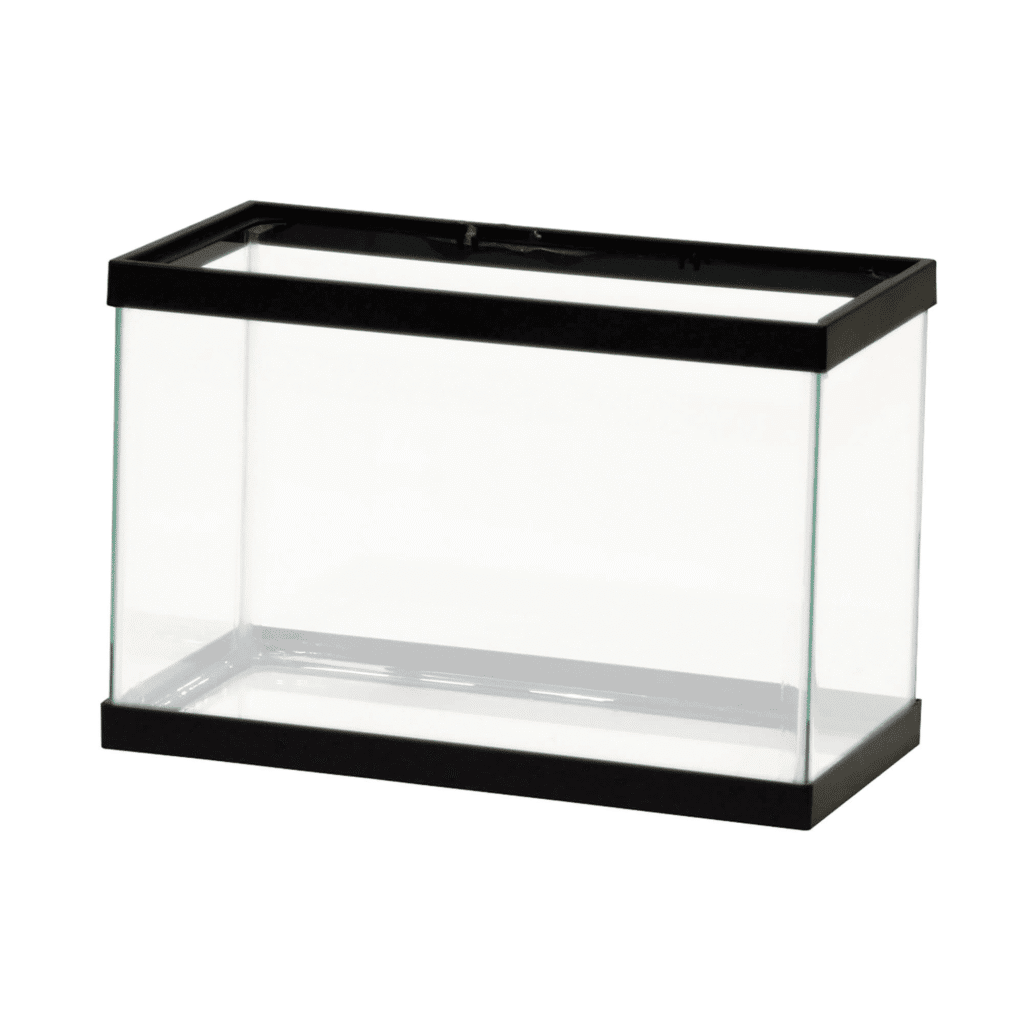
Aquarium Setup & Maintenance

Branded Aquarium Sizes

Branded Aquarium Sizes: Kit & Reef-Ready Tank Dimensions

This is a companion reference to “A Cheat Sheet to Fish Tank Gallon Sizes and Dimensions” (see our complete aquarium sizes and dimensions chart). That guide covers standard and specialty-shaped tank sizes that have stayed essentially unchanged for decades. This page covers something different: specific branded kits and reef-ready/drilled tanks, where dimensions are tied to a manufacturer’s current product line and can change when a company updates a mold, discontinues a SKU, or a retailer misquotes a spec sheet. Because of that, treat this page as needing a refresh check more often than the core sizing guide, and always confirm against the manufacturer’s current listing before buying a stand, lid, or sump. Mid-Sized Branded Aquarium Kits (20–46 Gallon) Beyond generic “standard” dimensions, many aquariums in this size range are also sold as branded kits, and dimensions can vary by brand, model, and shape. Kit Dimensions (L × W × H, in) Shape 20 gallon high (Marineland / Tetra / Aqueon standard) 24 × 12 × 16 High rectangular 26 gallon Aqueon Bow Front LED Kit 24.125 × 14.75 × 20.875 Bow front 26 gallon Marineland Bow Front 24.125 × 14.75 × 20.875 Bow front 29 gallon standard kit 30.25 × 12.5 × 18.75 Standard rectangular 36 gallon Aqueon Bow Front 30.25 × 15.5 × 20.875* Bow front 40 gallon breeder 36.25 × 18.25 × 17 Breeder rectangular 46 gallon Aqueon / Marineland Bow Front 36.375 × 16.375 × 20.875 Bow front The 26- and 46-gallon figures above match Aqueon’s own current (2023) product catalog exactly. *The 36-gallon bow front does not appear in that current catalog, so it may be an older or discontinued size still sold through retailer inventory — the figure here is sourced independently (Aqueon’s product page plus one retailer), not from Aqueon’s current official spec sheet. Confirm it’s still in production before ordering fitted equipment. Aqueon Critical Dimensions specifications (official 2023 PDF) Aqueon Bow Front Aquariums (product page) NAFB Aquarium — Aqueon 36-gallon bow front spec Large Branded Aquariums: Reef-Ready Tanks At 65+ gallons, a meaningful share of what’s sold are reef-ready drilled tanks built for sump filtration — worth listing separately since a drilled overflow box changes usable footprint and setup requirements versus a plain glass tank of the same listed size. The figures below are based on Aqueon’s own published manufacturer specifications rather than retailer listings. Because product lines and catalogs update over time, verify the exact SKU against Aqueon’s current listing before ordering fitted equipment. Size Dimensions (L × W × H, in) Type 65 gallon 36.375 × 18.375 × 25 Drilled, sump-ready 75 gallon 48.5 × 18.5 × 21.125 Drilled, sump-ready 90 gallon 48.5 × 18.5 × 25.375 Drilled, sump-ready 125 gallon 72.5 × 18.5 × 23.375 Drilled, sump-ready 150 gallon 72.5 × 18.5 × 29.5 Drilled, sump-ready 210 gallon 72.5 × 24.5 × 29.625 Drilled, sump-ready Important: don’t assume a standard Aqueon aquarium and an Aqueon Reef-Ready aquarium of the same gallon capacity share identical dimensions. For the 90- and 125-gallon sizes specifically, Aqueon’s standard (undrilled) tank runs about a quarter-inch shorter than the Reef-Ready version of the same gallon count — the drilled overflow chamber appears to add a small amount of height. Always confirm which product line a listing is describing, and verify the exact SKU, before ordering a stand, lid, or plumbing. Bluefish Aquarium — 125 Gallon Reef-Ready (MegaFlow) spec A reef-ready tank of the same length and width as a standard version isn’t a plug-and-play swap — it needs a sump, plumbing, and a stand designed around that plumbing. Aqueon Critical Dimensions specifications (official 2023 PDF) Aqueon Reef-Ready Aquariums (product page) Why Branded Aquarium Dimensions Need to Be Verified Note: Last fact-checked September 2026 against Aqueon’s own official Critical Dimensions PDF (linked above). If you’re maintaining this page, that document is the fastest way to re-verify every branded Aqueon figure here in one pass — recheck it, and the Marineland-branded rows against Marineland’s own spec sheet, on a regular refresh schedule. Johnson ColemanDr. Johnson Coleman is a dedicated veterinary expert with over 10 years of hands-on experience in animal health and wellness. His mission is to help pets live longer, happier lives through compassionate care, practical guidance, and a genuine love for animals. After earning his Doctor of Veterinary Medicine (DVM) degree, Dr. Coleman spent a decade working in both private clinics and community shelters, where he gained deep expertise in preventive medicine, pet nutrition, and behavioral care. He believes that pet owners deserve reliable, easy-to-understand information about their companions’ health. Through his writing, Dr. Coleman breaks down complex veterinary topics into friendly, actionable advice that helps readers make informed decisions for their pets. Outside of his professional work, Dr. Coleman volunteers with local animal rescue groups and enjoys spending time outdoors with his two golden retrievers. His lifelong dedication to animal welfare continues to inspire his work and connect with pet lovers around the world.

Branded Aquarium Sizes: Kit & Reef-Ready Tank Dimensions Read Post »
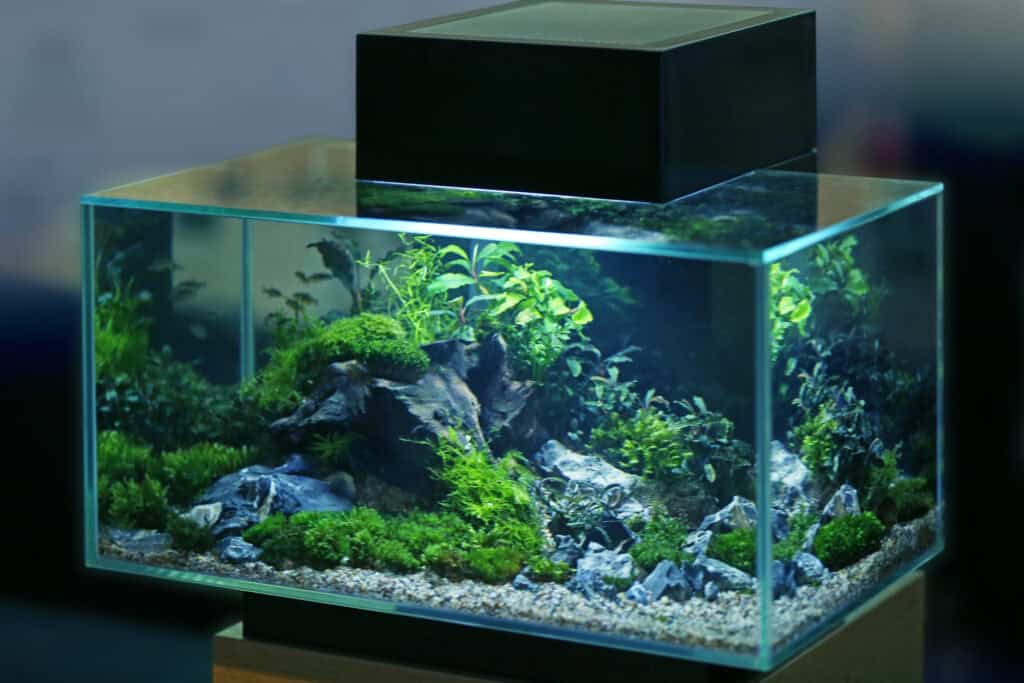
Aquarium Sizes Explained

Aquarium Sizes Explained: Dimensions, Weights, and Which Size Fits Your Space

If you’ve ever stood in the fish aisle staring at two tanks that both say “20 gallons” but look nothing alike, you’re not imagining it. Aquarium sizes aren’t just about how much water a tank holds — the exact shape of that gallon count changes everything from which fish you can keep to whether your floor can handle it. This guide breaks down standard and specialty-shaped aquarium dimensions and weights by size, and helps you figure out which size actually fits your space and your fish. Why Aquarium Dimensions Matter More Than the Gallon Number Two tanks holding the same 20 gallons can be very different environments. A 20 gallon high is tall and narrow; a 20 gallon long is short and wide. Same water volume, different living space. Common Rectangular Aquarium Sizes and Approximate Dimensions These are common dimensions for traditional rectangular glass aquariums, cross-referenced against manufacturer and major retailer specifications. Exact measurements vary by manufacturer and model — “standard” is useful shorthand, not a guarantee that every 15-gallon or 30-gallon tank on the market matches these numbers exactly. Small aquariums (2.5–15 gallon) Aquarium Size Dimensions (L × W × H, in) Shape 2.5 gallon 12.25 × 6.25 × 8.13 Standard rectangular 5 gallon 16 × 8 × 10 Standard rectangular 5.5 gallon 16.25 × 8.38 × 10.5 Standard rectangular 10 gallon 20.25 × 10.5 × 12.63 Standard rectangular 15 gallon 24.25 × 12.5 × 12.75 Standard rectangular 15 gallon tall 20.25 × 10.5 × 18.75 Tall rectangular The 5 gallon aquarium dimensions above are one of the most common nano sizes. 15 gallon aquarium dimensions vary more than most sizes because standard and tall 15-gallon configurations are genuinely different shapes — check which one you’re looking at before ordering a stand or lid. Mid-size aquariums (20–45 gallon) Aquarium Size Dimensions (L × W × H, in) Shape 20 gallon high 24.25 × 12.5 × 16.75 High rectangular 20 gallon long 30.25 × 12.5 × 12.75 Long rectangular 29 gallon 30.25 × 12.5 × 18.75 Standard rectangular 30 gallon 36.25 × 12.63 × 16.75 Standard rectangular 38 gallon 36.25 × 12.63 × 19.75 Standard rectangular 40 gallon breeder 36.25 × 18.25 × 17 Breeder rectangular (wide) 45 gallon 36.25 × 12.63 × 23.75 Tall rectangular 30 gallon aquarium dimensions are worth double-checking against manufacturer specs, since multiple 30-gallon configurations exist — don’t order a stand, canopy, or lid from the label alone. The 40 gallon breeder’s wider 18.25-inch depth (versus the standard tank’s roughly 12.6 inches) is exactly why it’s a popular choice for aquascaping and fry-raising: more usable floor space, not just more volume. Large aquariums (55–210 gallon) Aquarium Size Dimensions (L × W × H, in) Shape 55 gallon 48.25 × 12.75 × 21 Standard rectangular 60 gallon breeder 48.5 × 18.5 × 16 Breeder rectangular 65 gallon 36.38 × 18.38 × 25 Standard rectangular 75 gallon 48.5 × 18.5 × 21.13 Standard rectangular 90 gallon 48.5 × 18.5 × 25.13 Standard rectangular 125 gallon 72.5 × 18.5 × 23.13 Standard rectangular 150 gallon 72.5 × 18.5 × 29.5 Standard rectangular 210 gallon 72.5 × 24.5 × 29.63 Standard rectangular A note on 50-gallon tanks specifically: this size isn’t standardized enough to state one universal measurement. Some rectangular 50-gallon models run around 36 × 18 inches of footprint, but manufacturers vary meaningfully here — check the exact model’s spec sheet before buying a stand or lid, rather than assuming a single “50 gallon” figure applies. A note on the 60-gallon breeder’s empty weight: Aqueon’s own published spec sheet lists it at 43 lb empty (about 543 lb filled), but Aqueon’s product listing on Petco states the empty tank actually weighs closer to 74.8 lb and flags the lighter figure as an error on their information sheet. The 48.5 × 18.5 × 16-inch dimensions are consistent everywhere; only the empty-weight figure is genuinely disputed between the manufacturer’s own documents. Use the heavier estimate when planning a stand. Sources: Aqueon Standard Tank Sizes specifications (PDF) Petco Aquarium Sizes, Weights & Dimensions Guide Same Gallons, Different Shape: Three Direct Comparisons Gallon capacity alone hides how a tank is actually built. These comparisons make the pattern concrete. 20 High vs. 20 Long   20 High 20 Long Length ~24.25 in ~30.25 in Width ~12.5 in ~12.5 in Height ~16.75 in ~12.75 in Same nominal capacity, roughly six extra inches of horizontal length in the Long, versus more volume concentrated vertically in the High. 40 Breeder vs. 55 Gallon vs. 75 Gallon (footprint only) Tank Footprint (L × W) 40 Breeder 36.25 × 18.25 in 55 gallon 48.25 × 12.75 in 75 gallon 48.5 × 18.5 in The 55 holds more nominal water than the 40 Breeder but is considerably narrower front-to-back. The 75 combines roughly four feet of length with substantially more depth than the 55 — which matters for aquascaping room, but also means a stand built for a 55 shouldn’t be assumed to fit a 75. Neither shape is “better” in general — the right one depends on the fish you’re keeping, your aquascaping plans, and the space you have. Beyond Rectangular: Hexagon, Bow Front, Cube & Corner Aquarium Dimensions Standard rectangular tanks aren’t the only shape on the market, and gallon-per-shape confusion is even worse here than with rectangular tanks — a 20-gallon hexagon and a 20-gallon rectangular tank share almost nothing in common footprint-wise. Hexagon aquariums Size Dimensions (W × H, in) Shape 10 gallon 14.5 × 18.375 Hexagon 20 gallon 18.75 × 20.625 Hexagon 20 gallon (deluxe) 15 × 24 Hexagon (tall) 28 gallon 21 × 20 (footprint 21 × 18) Hexagon 35 gallon 23.25 × 24.75 Hexagon 60 gallon 27.25 × 29.5 Hexagon Hexagon tanks trade swimming length for a small footprint and a distinctive display shape, which is exactly why they’re popular for corners and tight rooms — but that same shape means less usable horizontal swimming room than a rectangular tank of equal volume, and light has to penetrate a taller water

Aquarium Sizes Explained: Dimensions, Weights, and Which Size Fits Your Space Read Post »

How to Clean Aquarium Sand the Right Way for a Healthier Tank

Keeping aquarium sand clean is essential for maintaining a healthy and stable aquatic environment. Sand substrates can trap debris more easily than gravel, and without regular care, they can affect water quality and the well-being of your fish. Routine cleaning prevents compaction, reduces algae buildup, and keeps harmful gases from forming beneath the surface. With the right techniques, cleaning aquarium sand becomes simple, safe, and part of a healthy aquarium maintenance routine. Why Cleaning Aquarium Sand Is Important Aquarium sand may look smooth and natural, but it quickly collects fish waste, uneaten food, mulm, and organic debris. Unlike gravel, where debris settles between larger gaps, sand holds waste on the surface, making the tank look dirty more quickly. Routine cleaning prevents organic matter from breaking down and causing ammonia spikes, cloudy water, and unpleasant smells. It is normal for aquarium sand to develop discoloration, especially brown shades caused by diatoms or light algae growth. This is usually harmless and occurs most often in new tanks or tanks with high silicate levels. However, heavy buildup can become unsightly and may indicate that the substrate needs cleaning or better maintenance. If sand is neglected for long periods, compacted layers begin to trap decaying material. Over time, this affects water chemistry, stresses fish, and promotes harmful pockets of anaerobic bacteria. Clean, aerated sand supports beneficial bacteria, improves water clarity, and helps fish behave naturally, especially burrowing or bottom-dwelling species. How Sand Compaction Happens and Why It Is Dangerous Sand compaction occurs when fine grains settle tightly over time, leaving little space for water flow or oxygen to circulate. When oxygen cannot reach lower layers, those parts of the sand become anaerobic. Anaerobic zones promote the growth of bacteria that produce hydrogen sulfide, a gas with a rotten egg smell that can be dangerous to fish in high concentrations. Small hydrogen sulfide pockets can form beneath compacted sand, especially in deep sand beds, tanks with minimal stirring from livestock, and aquariums with poor water flow. If these pockets are suddenly released, the gas can cause fish stress, shock, or even death. Lightly aerating or turning sand during routine cleaning helps prevent deep anaerobic zones from forming. For tanks with intentionally deep sand beds, such as certain aquascapes or biological setups, regular maintenance and proper circulation are even more important. When tanks rely on deep sand layers, a hands-off approach can be harmful if waste accumulates beneath the surface. Tools and Materials You Need to Clean Aquarium Sand Before you start cleaning, gather the tools that make sand maintenance easier and safer. The following equipment is recommended for beginners and experienced aquarists alike. Essential Tools: • Siphon or gravel vacuum• Wide-mouth gravel vacuum attachment• Bucket dedicated for aquarium use• Algae scraper or aquarium-safe sponge• Soft turkey baster or pipette• Aquarium-safe gloves (optional) Why vacuum width matters:Wide gravel vacuums allow sand to gently rise in the tube while debris gets pulled upward. Narrow tubes create stronger suction that tends to remove sand instead of lifting it temporarily. Choosing a siphon with an adjustable flow helps beginners control suction strength. Optional Maintenance Helpers:• Fine mesh net for sifting debris• Magnetic glass cleaner for viewing panels• Circulation pump to reduce dead spots in low-flow tanks New aquarists often find it easier to start with a simple manual siphon rather than an electric one, which may pull sand too aggressively. Look for tools designed specifically for sand substrates, such as those recommended by Fluval, Aqueon, or FishLab maintenance guides. Step-by-Step Guide on How to Clean Aquarium Sand Safely Cleaning sand requires a different technique than cleaning gravel, because sand is lighter and can be pulled out of the tank if suction is too strong. Follow this detailed method to clean sand without disturbing beneficial bacteria or removing too much substrate. Step 1: Remove tank decor gently Lift ornaments, rocks, and driftwood slowly to prevent buried debris from floating into the water all at once. Place decor in a container temporarily if you want to clean them separately. Step 2: Start your siphon Place the wide gravel vacuum tube into the tank and start the siphon. Keep the bucket lower than the tank so gravity helps regulate the flow. Adjust suction strength by controlling the angle or partially pinching the hose if needed. Step 3: Position the vacuum slightly above the sand Hold the vacuum just above the sand surface. The top layer of sand will rise slowly into the tube. Allow it to fall back down naturally while debris is carried through the siphon. This “hovering method” is the safest way to clean sand without removing it. Step 4: Work in small sections Divide the tank into a grid or mental sections. Move the vacuum slowly across each area. Sand cleaning takes longer than gravel cleaning, so be patient. Slow passes remove fine debris and mulm effectively. Step 5: Let sand rise and fall Do not press the vacuum deep into the sand. Instead, let the top layer lift gently. Sand particles should swirl upwards and fall back while waste rises into the bucket. If sand begins to travel too far up the tube, lift the vacuum slightly. Step 6: Perform your water change As the bucket fills, empty it and resume siphoning until you reach your target water change percentage, usually between 20 and 40 percent depending on tank size and stocking. Step 7: Use waste water to rinse filter media This is one of the most overlooked beginner tips. Rinse mechanical filter media (such as sponges) in the siphoned tank water rather than tap water. This prevents chlorine exposure and preserves beneficial bacteria, improving water clarity and filtration efficiency. Step 8: Gently re-level the sand Once cleaning is complete, use your hand, a clean tool, or a gloved finger to lightly smooth the sand. This prevents compaction and helps distribute oxygen. Step 9: Return decor and refill the tank Place decor back carefully to avoid stirring debris. Add conditioned water slowly to keep the sand bed

How to Clean Aquarium Sand the Right Way for a Healthier Tank Read Post »

Winter Fish Tank Guide: Keep Your Aquarium Warm and Healthy

Winter can be challenging for aquarium hobbyists, especially in regions where temperatures drop significantly or fluctuate throughout the day. Cold weather affects fish metabolism, water chemistry, oxygen levels, and overall immunity. Even indoor aquariums can experience rapid temperature drops at night, which can stress fish if not properly controlled. This complete winter care guide will help you understand how cold weather affects your aquarium and outline practical steps to keep your fish healthy, active, and stress-free all season long. Why Winter Care Matters for Aquariums Winter brings sudden changes in room temperature, reduced sunlight, and dryness caused by indoor heating. Each of these environmental shifts impacts aquarium conditions. How Cold Affects Fish Tropical vs. Cold-Water Fish According to FishBase.org and multiple aquaculture studies: Winter aquarium care ensures that your water temperature, quality, and environment remain stable despite external weather challenges. Keywords: winter aquarium care, cold weather fish stress, fish health in winter Maintaining a Stable Water Temperature (Most Critical Step) Temperature stability is the #1 factor that determines how well your fish survive the winter. Ideal Temperature Ranges Why Sudden Drops Are Dangerous Fish experience thermal shock when temperatures fall rapidly even a 2 – 3°C drop within hours can: Choosing the Right Heater (Wattage Guide) General rule from Aqueon & Aquarium Co-Op: Heater Size Guide: Thermometer Placement Place the thermometer opposite the heater for an accurate reading of the entire tank. Night-Time Heat Loss Most temperature drops occur between 2 AM – 6 AM.If your home gets very cold at night: Proper Lighting During Short Winter Days Winter days bring shorter daylight hours and weaker sunlight, which influence fish behavior and circadian rhythm. Why Lighting Matters Use Timers for Light Consistency Set your aquarium lights to 8 to 10 hours per day.Digital timers prevent irregular light cycles that may stress fish. Avoid Direct Sunlight Winter sunlight changes direction and can hit spots normally shaded in summer. Direct light causes: Keep the tank in a stable, indoor-lit area. Water Quality & Filtration During Winter Months As temperatures drop, fish metabolism slows, but this does NOT mean waste disappears. How Cold Affects Water Chemistry Recommended Winter Water Change Schedule Filter Maintenance Tips Watch for Evaporation Indoor heaters reduce room humidity and increase tank evaporation. Always: Winter Feeding: Nutrition for Slow Metabolism Cold water = slow digestion. Overfeeding becomes dangerous. Why Fish Need Digestible Food in Winter With low metabolic rates: Best Foods for Winter Boost Immunity With Vitamins Aquarium research shows vitamin C and E support immune function in colder months. Feeding Guidelines Overfeeding in winter is one of the leading causes of water quality issues. Insulated Tank Covers & Heat Retention Tricks Keeping heat inside the aquarium reduces heater strain and stabilizes water temperature. Easy Insulation Techniques Ventilation Matters Do NOT fully seal the tank fish still need gas exchange.Leave small gaps for air movement. Avoid Overcrowding During Winter Overcrowded tanks become more unstable in cold months. Why Overcrowding Is Dangerous If you notice winter aggression: Managing Humidity & Evaporation Indoors Indoor heaters dry the air and increase evaporation. Problems Caused by Increased Evaporation Winter Evaporation Tips Monitoring Fish Behaviour & Early Signs of Winter Stress Cold stress can be fatal if ignored. Observe your fish daily. Signs Your Fish Is Affected by Cold Temperature Shock Symptoms When to Quarantine Move a fish to a heated quarantine tank if: When to Consult a Vet Final Winter Preparation Tips These checklist items help prevent emergencies during the coldest months. 1. Keep a Backup Heater Always have an extra heater stored winter failures are common. 2. Use a Power Backup A power-outage backup keeps heaters and filters running. 3. Double-Check Lids Prevent heat loss and jumping fish. 4. Weekly Winter Care Checklist Frequently Asked Questions 1. How cold is too cold for aquarium fish? Tropical fish become stressed below 22°C, and many species cannot survive long below 18°C. 2. Can fish survive winter without a heater? Only cold-water fish like goldfish or white clouds can handle unheated tanks but even they need stable temperatures. 3. Why is my fish less active in winter? Lower temperatures slow metabolism, making fish move less and eat less. 4. Why does ammonia rise faster in winter? Cold slows beneficial bacteria slightly, allowing waste to build up. 5. Should I turn up the heater at night? A properly sized heater will maintain temperature automatically, no adjustments needed. Conclusion Winter can be challenging for aquariums, but with the right preparation, stable temperature, proper feeding, consistent lighting, and good water quality your fish will stay healthy and stress-free all season long. By understanding how cold weather affects metabolism, immunity, and water chemistry, you can prevent common winter problems before they occur. Johnson ColemanDr. Johnson Coleman is a dedicated veterinary expert with over 10 years of hands-on experience in animal health and wellness. His mission is to help pets live longer, happier lives through compassionate care, practical guidance, and a genuine love for animals. After earning his Doctor of Veterinary Medicine (DVM) degree, Dr. Coleman spent a decade working in both private clinics and community shelters, where he gained deep expertise in preventive medicine, pet nutrition, and behavioral care. He believes that pet owners deserve reliable, easy-to-understand information about their companions’ health. Through his writing, Dr. Coleman breaks down complex veterinary topics into friendly, actionable advice that helps readers make informed decisions for their pets. Outside of his professional work, Dr. Coleman volunteers with local animal rescue groups and enjoys spending time outdoors with his two golden retrievers. His lifelong dedication to animal welfare continues to inspire his work and connect with pet lovers around the world.

Winter Fish Tank Guide: Keep Your Aquarium Warm and Healthy Read Post »

Before You Add Fish: Freshwater Fish Tank Cycling for Stress-Free Starts

Setting up a brand-new aquarium is exciting but before you add fish, you need to build a healthy ecosystem. Life doesn’t thrive in “pristine” sterile water; it flourishes when beneficial bacteria, plants, and animals live in balance together. In this guide, you’ll learn how to properly cycle your tank so your new fish arrive in a safe, thriving environment. What Is the Aquarium Nitrogen Cycle? “Cycling” means establishing the biological filtration that keeps fish safe. In simple terms, fish produce waste (ammonia), then bacteria convert that into nitrite, then other bacteria convert nitrite into nitrate. Nitrate is far less toxic but still needs management. Without this system in place, fish can suffer from “new tank syndrome.” For a trusted explanation of this process, see this overview of aquarium water quality and the nitrogen cycle by the Florida Department of Agriculture and Consumer Services. Beneficial bacteria live on surfaces, filter media, substrate, decorations, and plants. You’re not just buying a tank, you’re building a mini ecosystem. How to Know When Your Tank Is Fully Cycled A fully-cycled tank means: According to Fish Handbook, once both ammonia and nitrite read 0 and nitrate is present, the tank is considered cycled but you should still add fish slowly, introducing only a few individuals at a time and waiting several days between additions so the bacterial colony can adjust to the increased bioload. Typical cycle times vary from 3–4 weeks for small tanks up to 6–8 weeks for larger setups. Fish-In Cycling (Step-by-Step Guide) When to use: Best for beginners who can monitor water closely. Then, gradually add more fish, allowing the bacterial colonies to expand naturally. Cycling with Live Plants (Plant-Driven Cycle) Live plants accelerate cycling while making the aquarium more natural and stable. Extension and aquaculture resources explain that aquatic plants actively use nitrogen compounds such as ammonium and nitrate as nutrients, helping remove these wastes from the water and supporting a more stable nitrogen cycle. Plants not only help complete the cycle but also keep nitrates lower and create a more self-sustaining environment. Fishless Cycling (For the Patient or Experienced) Fishless cycling uses an ammonia source instead of live fish. This method avoids stressing fish but takes patience and precision. Using Test Kits & Understanding Readings Testing helps track your progress: During the cycle: How to Speed Up the Cycle Common Mistakes and Troubleshooting Frequent beginner errors: Troubleshooting tips: Post-Cycle Maintenance Cycling is only the start – long-term stability needs routine care: FAQs Q1: How long does cycling take? Most freshwater aquariums take around 3 to 6 weeks to fully cycle, depending on tank size, temperature, and whether you’ve used seeded media or bottled bacteria. A heavily planted tank or one seeded from an established aquarium may stabilize faster, while brand-new setups with no help can take longer. Always rely on test results (ammonia, nitrite, nitrate), not just the calendar. Q2: Can I cycle a small tank or betta tank? Yes, even a 5-gallon betta tank needs to be cycled because waste still turns into toxic ammonia in small volumes of water. In fact, smaller tanks are less forgiving, so stable bacterial colonies and regular testing are even more important. A properly cycled small tank will keep your betta or nano fish much healthier in the long run. Q3: What if I already added fish to an uncycled tank? Don’t panic, but act quickly. Start by testing the water and doing a 25 – 50% water change if ammonia or nitrite are detectable, then feed very lightly and retest daily. Add bottled bacteria or seeded media if possible, and be prepared to repeat partial water changes until the tank finishes cycling and your readings stabilize. Q4: Can bottled bacteria skip cycling? Bottled bacteria can shorten the cycling period dramatically, but they don’t let you skip the process entirely. You still need to give those bacteria time to colonize your filter and surfaces, and you must test the water regularly to confirm that ammonia and nitrite stay at 0 ppm. Think of them as a “head start,” not an instant pass. Conclusion Cycling your aquarium isn’t optional, it’s what keeps your fish alive and thriving. Whether you choose fish-in, plant-based, or fishless cycling, patience and testing are key. By allowing bacteria and plants to establish balance first, you’ll enjoy a low-stress, vibrant aquarium where your fish can live long, healthy lives. Johnson ColemanDr. Johnson Coleman is a dedicated veterinary expert with over 10 years of hands-on experience in animal health and wellness. His mission is to help pets live longer, happier lives through compassionate care, practical guidance, and a genuine love for animals. After earning his Doctor of Veterinary Medicine (DVM) degree, Dr. Coleman spent a decade working in both private clinics and community shelters, where he gained deep expertise in preventive medicine, pet nutrition, and behavioral care. He believes that pet owners deserve reliable, easy-to-understand information about their companions’ health. Through his writing, Dr. Coleman breaks down complex veterinary topics into friendly, actionable advice that helps readers make informed decisions for their pets. Outside of his professional work, Dr. Coleman volunteers with local animal rescue groups and enjoys spending time outdoors with his two golden retrievers. His lifelong dedication to animal welfare continues to inspire his work and connect with pet lovers around the world.

Before You Add Fish: Freshwater Fish Tank Cycling for Stress-Free Starts Read Post »

error

Enjoy this blog? Please spread the word :)

Pinterest
Instagram
Scroll to Top