Feeding pet rats properly is one of the most important parts of keeping them healthy, active, and happy. Rats are intelligent, social animals with unique nutritional needs that differ from other small pets. A balanced diet helps prevent illnesses, supports long-term wellness, and enriches their daily routine. This guide explains everything you need to know about choosing the right foods, safe treats, harmful items to avoid, and practical feeding tips based on expert recommendations and real-world experience.
Understanding What Pet Rats Need
Pet rats are omnivores, meaning they need a mix of plant-based and animal-based nutrients. Their diet should include high-quality commercial rat blocks along with small portions of fresh foods. Feeding a balanced diet ensures steady energy, healthy digestion, and strong immunity.
Understanding their nutritional needs also prevents common issues like obesity, digestive upset, and nutrient deficiencies. Many new rat owners assume rats can eat anything, but just like humans, rats thrive when fed the right combinations of proteins, carbohydrates, vitamins, and minerals.
Essential Nutritional Requirements for Rats
Rats need a nutritious base diet that supports their growth, metabolism, and overall health. The best approach is to offer specially formulated rat blocks or pellets that meet scientific nutritional standards.
Key requirements include:
Protein
Rats benefit from moderate protein levels. Too much can strain their organs, and too little can weaken their muscles and immune system.
Low Fat
High-fat diets quickly lead to weight gain. Quality rat blocks are designed to keep fat within a healthy range.
Fiber
Fiber supports healthy digestion and prevents constipation. Vegetables and whole grains offer safe fiber sources.
Vitamins and Minerals
Commercial rat diets include essential nutrients, but fresh foods provide extra antioxidants and phytonutrients that support long-term health.
Portion Control
Rats are small animals with small stomachs. Even healthy foods can lead to diarrhea or obesity if overfed. Serving sizes are typically one teaspoon or a half-inch cube per item.
Safe Foods Rats Can Eat
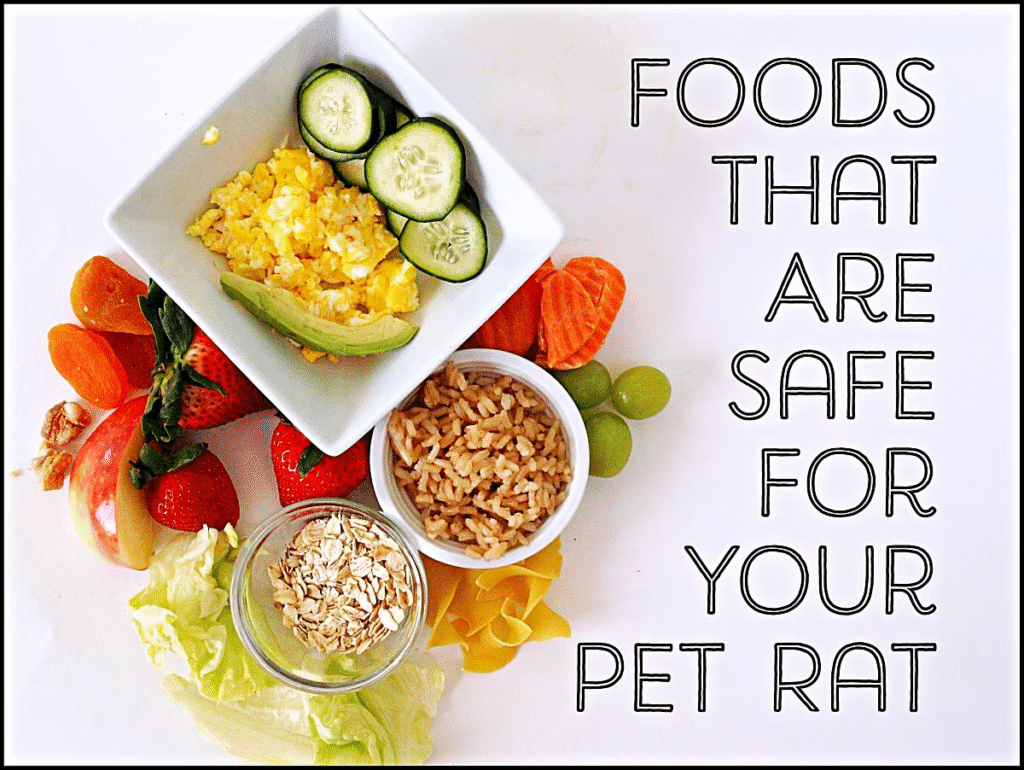
Fresh foods make your rat’s diet exciting and nutritious. Offering a variety ensures a wider range of beneficial nutrients. Always introduce new foods slowly to avoid digestive upset.
Fruits
Serve fruits in tiny portions due to their natural sugar content.
Safe options include:
- Apples
- Grapes
- Cherries
- Bananas
- Strawberries and other berries
- Melon
- Plums
Vegetables
Vegetables add fiber, vitamins, and minerals.
Safe choices include:
- Broccoli
- Peas
- Carrots
- Cooked sweet potato
- Kale
- Parsley
- Bok choy
- Squash
- Cooked potato
Proteins
Offer small amounts to support muscle health.
- Cooked chicken
- Cooked liver
- Lean cooked meats
- Mealworms
Grains and Dairy
These provide energy and support digestive health.
- Whole wheat pasta
- Whole grain bread
- Brown rice
- Cooked beans
- Yogurt with live cultures
- Unsweetened cereal
Occasional Treats
Give only in small amounts.
- Nuts in shells
- Sunflower seeds
- Carob chips
- Small dog biscuits
Foods to Avoid
Some foods can cause serious health problems or even be toxic to rats. Avoid feeding:
- Chocolate
- Raw beans
- Raw sweet potato
- Cabbage and Brussels sprouts
- Green potatoes
- Sugary human snacks
- Caffeinated drinks
- Carbonated beverages
- Green bananas
- Wild insects
- Poppy seeds
- Foods containing d limonene for male rats including citrus peels, mango skin, and certain spices
Many of these foods can cause digestive issues, toxicity, or respiratory distress, so it is essential to stay cautious and well-informed.
Expert Tips and Real-Life Examples
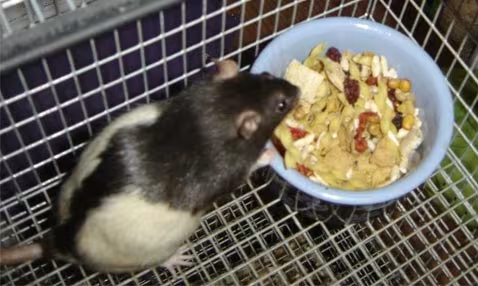
Here are practical suggestions based on experience and expert recommendations:
Keep rat blocks available at all times
Many rats prefer nibbling throughout the day. Having a steady supply of rat blocks ensures balanced nutrition even if fresh foods vary.
Introduce new foods gradually
Rats can have sensitive digestive systems. Start with tiny pieces and increase slowly.
Observe your rat’s preferences
Some rats love leafy greens, while others prefer grains. Offering variety helps you discover their favorites while maintaining nutritional balance.
Use feeding time for bonding
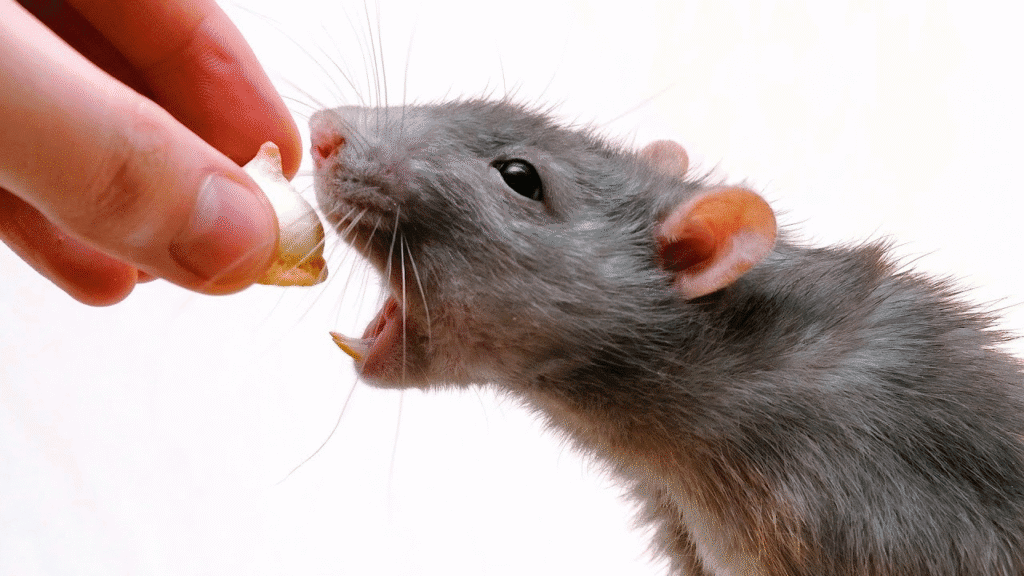
Rats enjoy interaction. Hand-feeding small treats strengthens your bond and builds trust.
Monitor weight regularly
Rats gain weight easily. Adjust portions if your rat becomes less active or starts looking rounder.
Avoid selective eating
Seed mixes often lead to nutritional gaps because rats ignore the healthier components. Rat blocks prevent this issue.
Common Feeding Mistakes to Avoid
Avoid these common errors to keep your rat’s diet safe and balanced.
Feeding too many treats
Even healthy treats can cause weight gain or digestive upset when given too frequently.
Using hamster or gerbil food
These mixes contain ingredients like alfalfa, which rats cannot digest properly.
Giving large portions of fruits or vegetables
Their high water content may cause diarrhea. Small servings are best.
Ignoring signs of intolerance
If your rat develops soft stools, bloating, or lethargy after a new food, remove that item immediately.
Not providing fresh water
Rats need constant access to clean, fresh water. Bottles should be cleaned daily.
Frequently Asked Questions
How long does a pet rat live
Pet rats typically live about two years, although strong genetics and excellent care may help some live a little longer
How often should I feed my rat
Provide unlimited access to rat blocks and offer fresh foods once or twice a day in small amounts.
Can I share leftovers with my rat
Small, healthy leftovers are usually fine, but avoid salty, sugary, or greasy foods.
How do I know if my rat has a food allergy
Watch for soft stools, skin irritation, lethargy, or sudden changes in behavior after introducing new foods.
Can baby rats eat the same foods as adults
Young rats can eat the same foods but may need slightly higher protein levels for growth. Avoid sugary fruits for young rats.
Conclusion
Feeding your pet rat correctly ensures a long, healthy, and active life. A balanced diet based on high-quality rat blocks combined with controlled portions of fresh foods gives your rat all the nutrients it needs. Paying attention to safe foods, avoiding harmful items, and using feeding time to bond helps create a comfortable and enriching environment. If you have concerns about diet, health changes, or food reactions, always consult a qualified veterinarian for guidance.

Dr. Johnson Coleman is a dedicated veterinary expert with over 10 years of hands-on experience in animal health and wellness. His mission is to help pets live longer, happier lives through compassionate care, practical guidance, and a genuine love for animals.
After earning his Doctor of Veterinary Medicine (DVM) degree, Dr. Coleman spent a decade working in both private clinics and community shelters, where he gained deep expertise in preventive medicine, pet nutrition, and behavioral care.
He believes that pet owners deserve reliable, easy-to-understand information about their companions’ health. Through his writing, Dr. Coleman breaks down complex veterinary topics into friendly, actionable advice that helps readers make informed decisions for their pets.
Outside of his professional work, Dr. Coleman volunteers with local animal rescue groups and enjoys spending time outdoors with his two golden retrievers. His lifelong dedication to animal welfare continues to inspire his work and connect with pet lovers around the world.