
A healthy beak is essential for every pet bird. It is how they pick up food, crack seeds, climb around the cage, preen their feathers, and explore the world. When something is wrong with the beak, everyday tasks can become uncomfortable or even impossible. The good news is that many beak problems in birds are preventable, and many others can be managed when they are caught early and treated by an avian veterinarian.
This article explains common beak problems in pet birds, what symptoms to watch for, how vets diagnose and treat them, and how you can support a healthy beak at home. Always consult an avian veterinarian for specific concerns about your bird’s beak.
Key Takeaways
• Beak problems in pet birds are common and often linked to preventable issues such as poor diet, lack of chew toys, or unsafe environments.
• Warning signs include cracks, holes or pitting, peeling, discoloration, soft spots, beak overgrowth, abnormal shape, and new lumps or growths on or near the beak.
• Overgrown or abnormal bird beaks can signal deeper health problems such as liver disease, infection, nutritional deficiencies, or even tumors, so prompt veterinary evaluation is important.
• A balanced diet, safe chew toys, appropriate perches, and a safe cage setup are key parts of preventing beak problems in birds. Merck Veterinary Manual
• Regular beak checks at home, plus scheduled visits with an avian vet, give the best long term outcome for your bird’s comfort and quality of life. MSD Veterinary Manual
What Are Common Beak Problems in Pet Birds
When we talk about “beak problems” in birds, we mean any visible or functional change in the beak that makes it look abnormal or makes normal activities more difficult. Birds use their beaks for almost everything. A beak that hurts or does not fit together properly can interfere with eating, drinking, climbing, playing, and grooming.
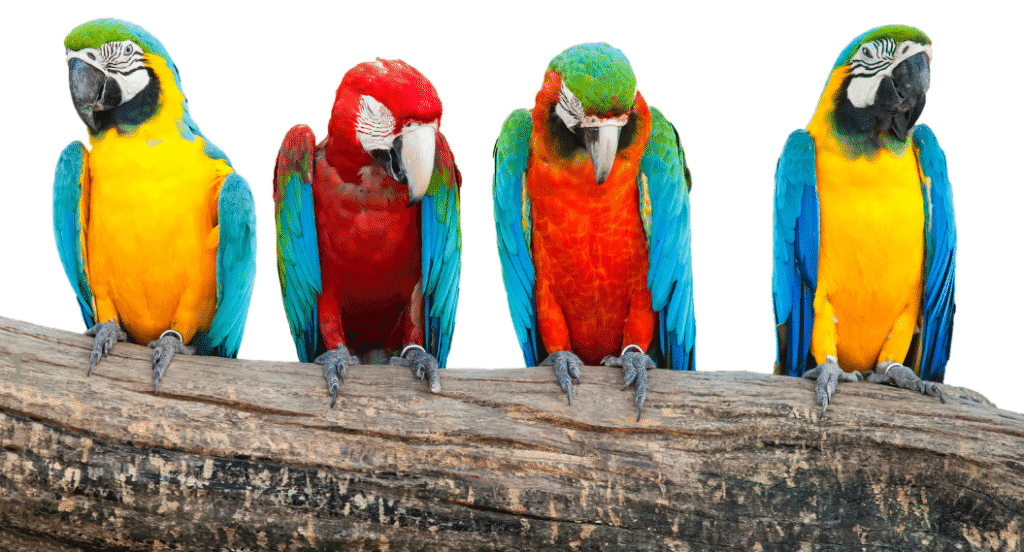
Beak problems in birds can involve:
- The surface
- The internal structure
- The way the beak grows and lines up
- The tissues around the beak
In practice, avian veterinarians commonly group beak problems into three broad categories
- Surface changes
These include bird beak peeling, flaking, rough texture, or abnormal discoloration. Sometimes mild surface flaking is normal as new keratin grows, but heavy peeling or rough patches can signal disease or poor nutrition. Chewy - Structural changes
These include cracks, splits, soft or bendable areas, overgrown bird beaks, crossing upper and lower beaks (often called “scissor beak”), or other abnormal shapes. These issues can affect bite strength and the ability to grasp food or toys. - Masses or growths
New lumps or growths on or near the beak can be a sign of tumors, including squamous cell carcinoma, a serious type of skin cancer that can affect the beak in some species. MSD Veterinary Manual
Beak health is especially important because a bird’s beak functions like both a mouth and a hand. When it is painful or misshapen, the bird may quietly struggle to do basic tasks. Many birds hide discomfort, so small changes in beak appearance or how the bird uses its beak can be early clues that something is wrong.
Symptoms and Early Warning Signs of Beak Problems
This section turns the symptom list into a simple, owner friendly checklist. If you notice any of these changes, take clear photos and contact an avian vet for guidance.
Remember that sudden, severe changes or signs of pain are emergencies and need immediate veterinary care.
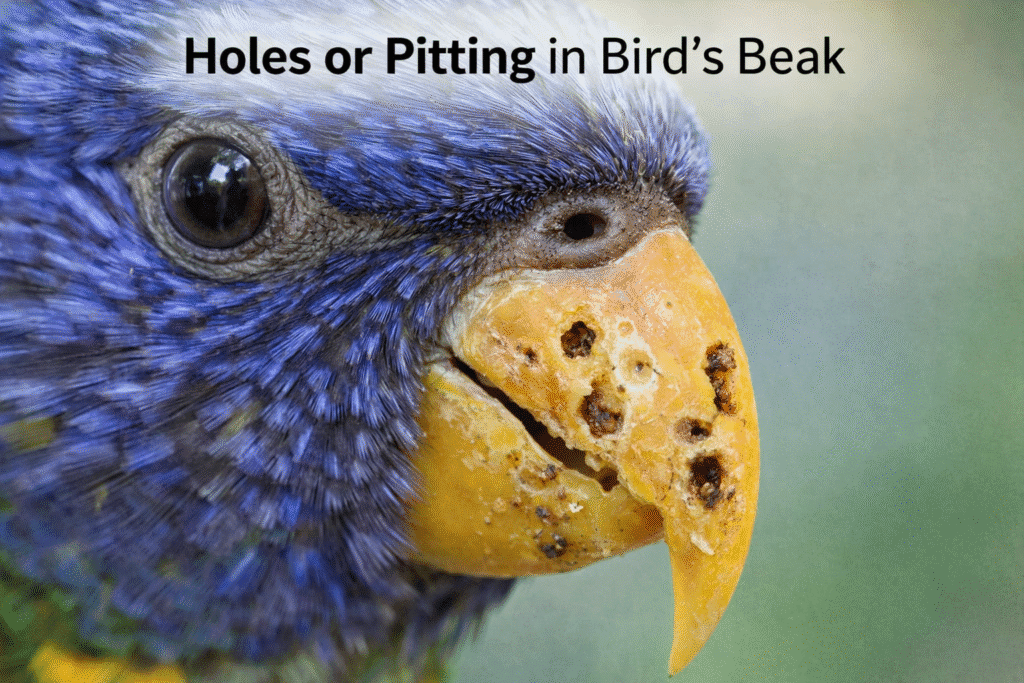
Holes or pitting
What you might see
Small pits, holes, or “worm eaten” areas on the surface of the beak that were not there before. The beak should feel smooth when you gently run a fingertip along it.
Why it matters
Pits and holes can weaken the beak and allow food and debris to pack into the openings, which may lead to infection or further breakage.
Emergency or not
Any new hole or deep pit should be checked soon. If a large section suddenly crumbles or the bird stops eating, treat it as urgent and seek veterinary care right away.
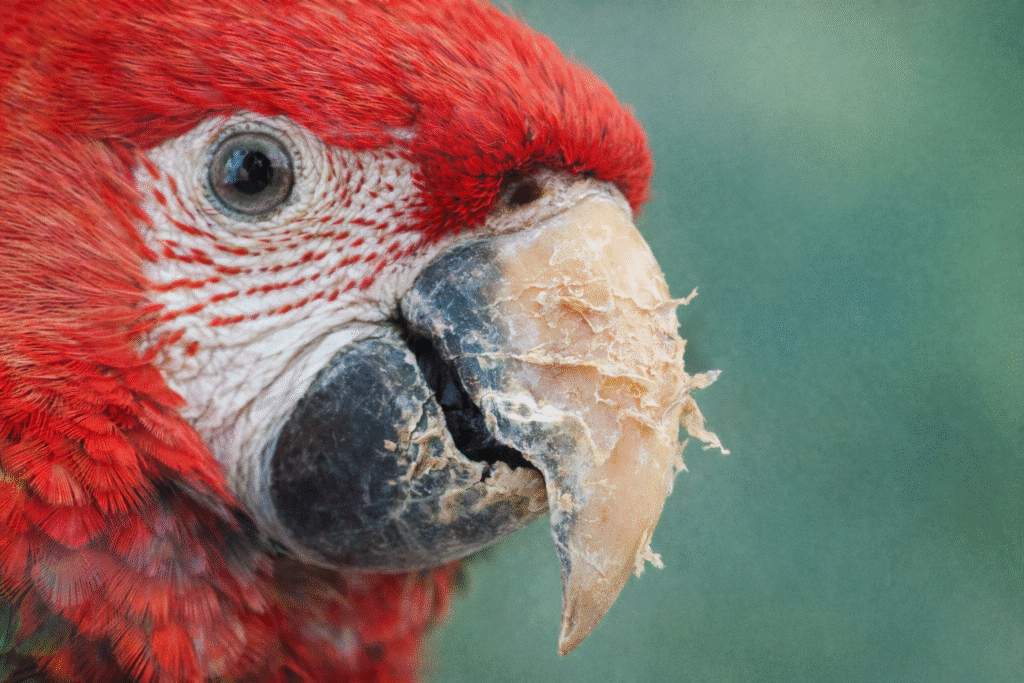
Peeling or flaking
What you might see
Thin surface layers lifting off, white or tan flakes around the edges, or areas where the beak looks rough rather than glossy. Mild, occasional flaking can be normal, especially during growth, but “bird beak peeling” that looks heavy, irregular, or persistent is a concern.
How it affects your bird
Your bird may rub the beak more than usual, avoid harder foods, or seem less interested in favorite chew toys if the peeling area is sensitive.
Emergency or not
Flaking that is gradually increasing, is paired with soft spots, or is accompanied by weight loss, dull feathers, or behavior changes should be evaluated promptly.
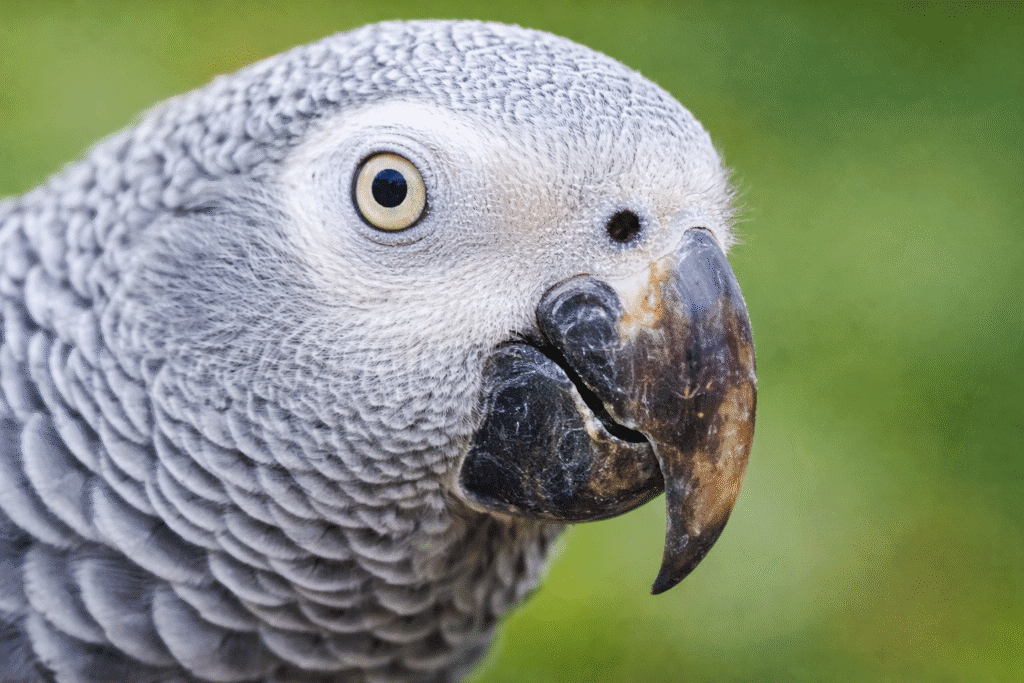
Discoloration
What you might see
A new dark or pale patch, a yellow or greenish area, or any color change that affects one region of the beak rather than the entire beak. Some species naturally have multi colored beaks. The key is change over time.
How it affects your bird
Color change alone may not affect function, but it can be a clue to underlying trauma, infection, or tumor growth.
Emergency or not
If the discolored area is growing, looks bruised after an injury, or is associated with bleeding or odor, call your vet the same day.
Softening or bendable areas
What you might see
Areas of the beak that feel rubbery rather than hard. You may notice the tip looks “mushy,” or a previously smooth beak now has a soft depression. Birds with soft, overgrown beaks often have underlying nutritional or liver problems.
How it affects your bird
Your bird may drop food more often, have trouble cracking seeds, or avoid chewing hard items.
Emergency or not
Softening of the beak is never normal and always needs veterinary evaluation. It is not a cosmetic issue. It usually means there is a deeper health problem that needs testing and treatment.
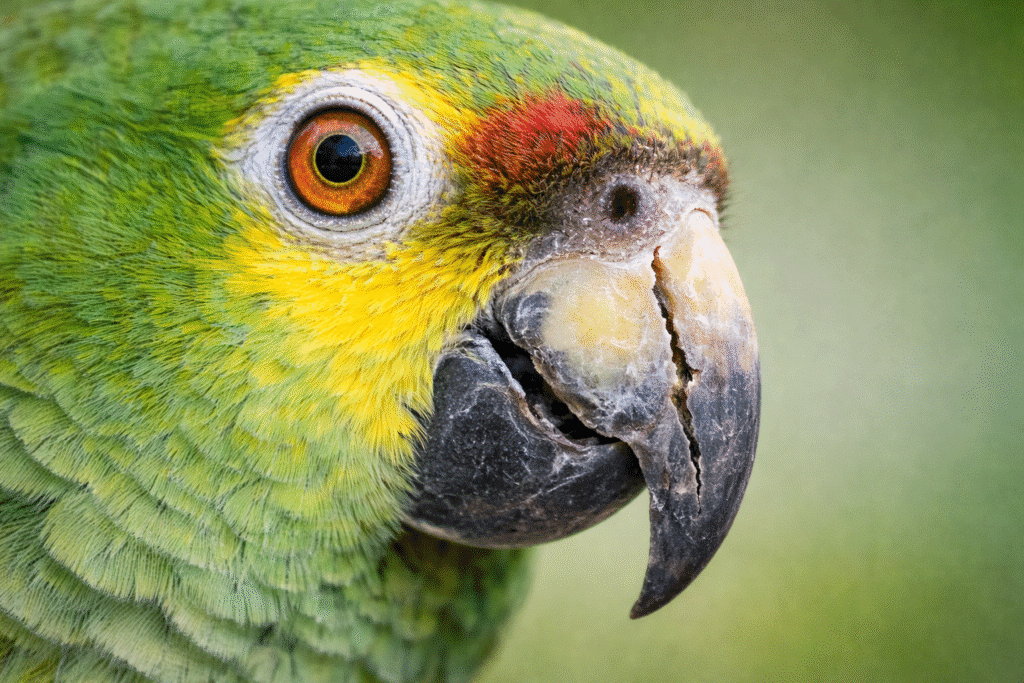
Cracks or splits
What you might see
Fine hairline cracks, deeper splits, or visible fractures running across or along the beak. Sometimes a crack appears after a fall or collision. Other times it appears gradually as part of a weak or diseased beak.
How it affects your bird
Cracks can be quite painful. You may see your bird flinch when using the beak, vocalize when eating, or stop chewing hard foods. Some birds become quieter and move less to avoid bumping the beak.
Emergency or not
A crack that bleeds, extends into the base of the beak, or makes the beak unstable is an emergency. Stabilizing severe beak fractures is a delicate job for an avian vet.
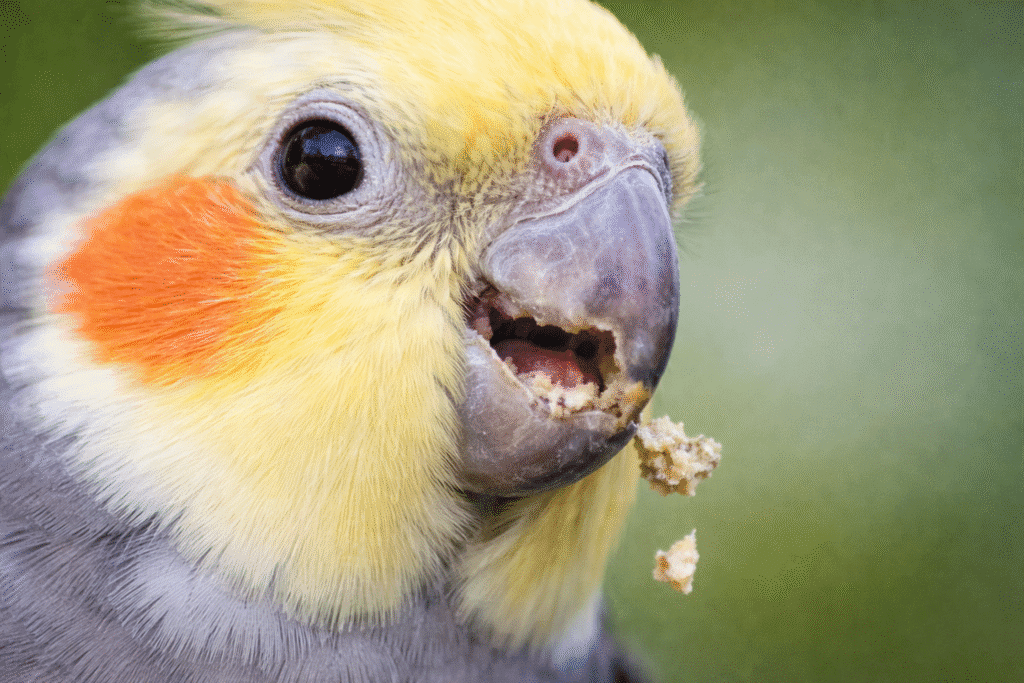
Pieces breaking off
What you might see
Small chips at the tip can be normal for an active bird. Large chunks breaking away from the beak surface are not normal. The beak may suddenly look jagged or uneven.
How it affects your bird
The bird may suddenly refuse favorite foods, cry out when eating, or rub the beak on perches more frequently.
Emergency or not
If a large piece breaks off or the beak is bleeding, this is urgent. Even smaller breaks deserve a vet visit, since an unhealthy beak can keep crumbling if the cause is not treated.
Overgrowth and crossing beaks

What you might see
The upper beak or lower beak becomes unusually long, curves in an odd way, or crosses over the other part. This is sometimes called scissor beak when the tips cross. Overgrown bird beaks often signal underlying disease or incorrect diet, not simply a lack of chew toys.
How it affects your bird
Your bird may struggle to pick up pellets, crack seeds, or grasp toys. You may notice that your bird loses weight or spends more time at the food bowl without actually eating much.
Emergency or not
Overgrowth itself is rarely life threatening in the next few hours, but it can lead to chronic malnutrition. Any overgrown beak should be evaluated soon. Only a trained professional should perform significant beak trimming.
Abnormal shape that interferes with function
What you might see
A beak that curves to one side, does not close properly, or has a twisted or uneven tip. Some birds are born with developmental beak abnormalities. Others develop abnormal shape after trauma, disease, or long term overgrowth.
How it affects your bird
The bird may have trouble aligning the beak to grasp food, may chew in odd angles, or may give up on certain foods altogether.
Emergency or not
Stable, mild abnormalities can sometimes be managed with periodic trims and diet adjustments. Rapid changes, sudden difficulty eating, or new deformities always need an urgent exam.
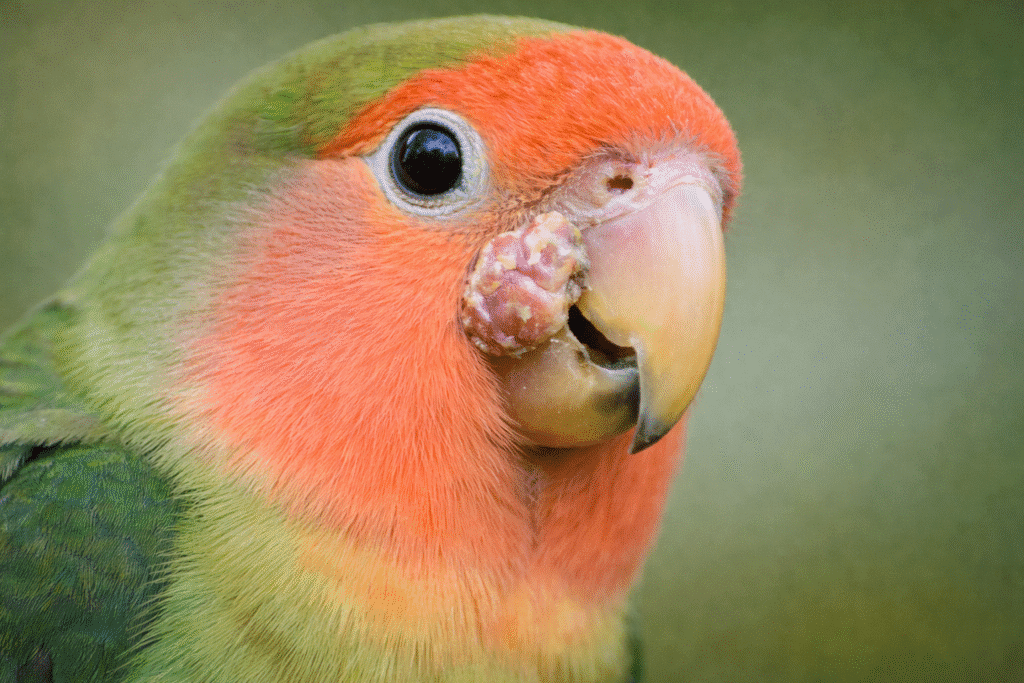
Masses or growths on or near the beak
What you might see
Small nodules, warty bumps, or larger fleshy masses on the beak edges, at the base near the nostrils, or along the jaw line.
How it affects your bird
Growths may distort the beak, make closing the mouth difficult, or cause pain when the bird chews or preens. Some tumors in birds, such as squamous cell carcinoma or melanoma, can be aggressive. MSD Veterinary Manual
Emergency or not
Any new growth on the beak or face should be examined quickly. Do not wait to see if it “falls off.” Early diagnosis gives the best chance for effective treatment.
Causes of Beak Problems in Birds
Beak problems are usually not random. They often reflect what is happening in the rest of the bird’s body or environment. Understanding the main causes helps you know what to change at home and why your vet may recommend certain tests.
Infections
How the problem develops
Bacterial, fungal, or viral infections can damage the keratin layers of the beak or the tissues underneath. Infections may enter through small cracks, injuries, or pits, or they may spread from other areas such as the sinuses or skin. Vca
Birds at higher risk
Birds kept in damp or dirty environments, those with poor nutrition, or those exposed to other sick birds may have a higher risk of infection.
What owners can change
Improve cage hygiene, provide good ventilation, avoid overcrowding, and quarantine new birds before introduction. Work with your vet to treat infections quickly before they damage the beak structure.
Injuries and trauma
How the problem develops
Falls, door or cage accidents, bites from cage mates, and collisions with windows or hard toys can crack or break the beak. Traumatic injuries are common in active parrots, especially in unsafe environments. MSD Veterinary Manual
Birds at higher risk
Flighted birds in cluttered rooms, birds in cages with narrow bar spacing or sharp edges, and aggressive mixed species groups.
What owners can change
Use appropriately sized cages and perches, remove sharp or unstable objects, supervise out of cage time, and separate aggressive birds.
Cancer and other tumors
How the problem develops
Tumors such as squamous cell carcinoma or melanoma can grow on or inside the beak and surrounding tissues. They may cause overgrowth, deformity, bleeding, or masses.
Birds at higher risk
Middle aged to older parrots and some gallinaceous birds appear in many case reports. Long term ultraviolet exposure and chronic irritation might play a role in some species, although research is ongoing.
What owners can change
You cannot always prevent tumors, but you can catch them earlier by inspecting your bird’s beak regularly and scheduling routine wellness exams.
Nutritional deficiencies
How the problem develops
Seed heavy diets are often low in essential vitamins, minerals, and amino acids. Over time, poor nutrition weakens beak keratin, leading to bird beak softening, peeling, and overgrowth. Lack of calcium and vitamin D can cause soft or rubbery beaks, especially in smaller birds such as cockatiels.
Birds at higher risk
Budgies, cockatiels, and other small parrots that eat mainly seed mixes without fortified pellets or fresh foods.
What owners can change
Transition to a balanced diet that includes high quality pellets, species appropriate vegetables and some fruits, and only limited seed as a treat. Work with your vet to plan a safe diet change.
Developmental abnormalities
How the problem develops
Young birds can develop malformed beaks due to genetic issues, incorrect hand rearing techniques, inappropriate humidity, or early trauma. For example, chicks that are consistently fed from one side may develop scissor beak as the growing tissues are pulled unevenly.
Birds at higher risk
Hand reared parrots and chicks from inexperienced breeders.
What owners can change
Choose reputable breeders or adoption sources that use proper rearing techniques, and seek veterinary advice early if a young bird’s beak looks uneven.
Liver disease and other systemic illness
How the problem develops
The liver helps process nutrients that support healthy keratin growth. Birds with chronic liver disease often develop overgrown, flaky, or soft beaks and nails. Fatty liver disease is especially common in birds with high fat diets. Vca
Birds at higher risk
Budgies, cockatiels, Amazons, and other species prone to obesity and fatty liver when fed energy dense seed diets.
What owners can change
Provide appropriate nutrition, encourage exercise, and schedule regular checkups so subtle signs of liver disease and beak changes are caught early.
Lack of appropriate chew toys or perches
How the problem develops
Even birds with perfect diets can end up with overgrown beaks if they do not have safe, abrasive items to chew and rub against. Natural branches, mineral blocks, cuttlebones, and safe wooden toys help birds keep the beak properly worn.
Birds at higher risk
Birds in bare cages with only smooth plastic perches and few toys.
What owners can change
Offer a variety of safe chew toys and perches of different widths and textures. Rotate them regularly to keep your bird interested.
Step By Step – How Vets Diagnose Beak Problems
An accurate diagnosis is the foundation of effective treatment. Avian veterinarians follow a logical process to figure out why your bird has a beak problem and what to do about it.
Step one: History taking
The vet will ask detailed questions about:
- Diet and treats
- How long you have noticed the beak problem
- Any recent injuries or falls
- Cage size, bar type, and perch types
- Toys, chew items, and out of cage activities
- Other signs such as weight loss, changes in droppings, or behavior changes
These details help the vet narrow down possible causes such as trauma, nutritional deficiency, infectious disease, or systemic illness. Vca
Step two: Physical examination
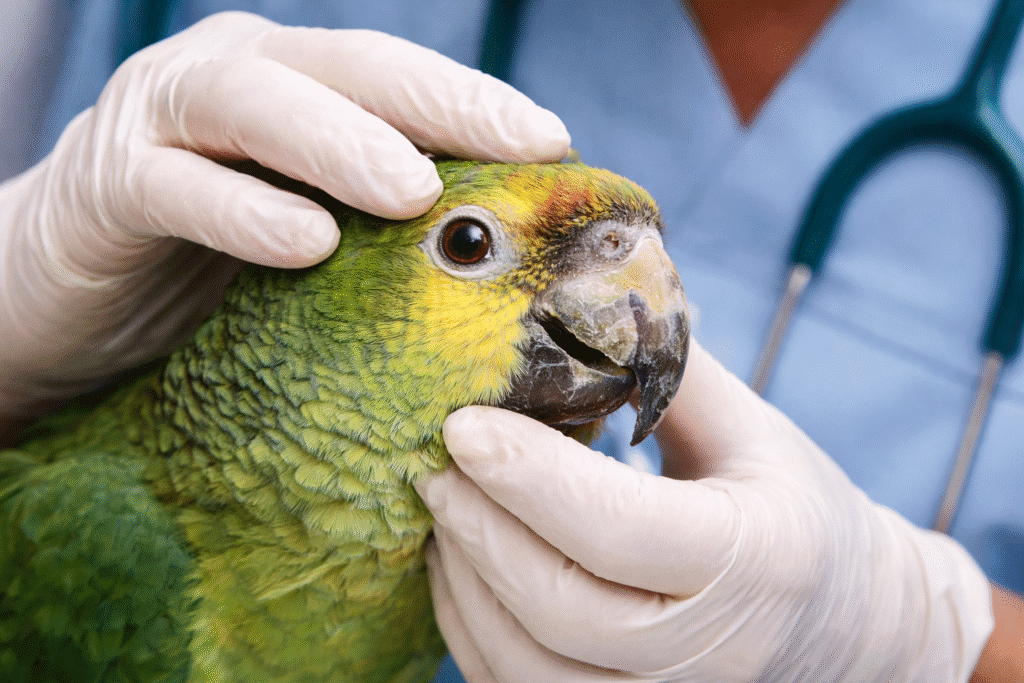
The vet will gently examine:
- Beak shape, length, and symmetry
- Surface texture, color, and any cracks or pits
- Mouth and tongue
- Eyes, nostrils, and facial structures
- Feathers, body condition, abdomen, and feet
They may use a bright light and magnification to see fine details. Pain reactions, odor, or discharge can also guide the diagnosis.
Step three: Diagnostic testing
Depending on the findings, your vet may recommend tests such as:
- Blood work
This can check liver and kidney function, protein levels, and other markers that help identify systemic disease linked to beak changes. Vca - Swabs or scrapings for cytology or culture
These samples help identify bacteria, fungi, or other infectious agents on or inside the beak. - Imaging
Radiographs or advanced imaging may be needed if deep structures or bone involvement are suspected, especially in trauma cases or suspected tumors. AVMA Journals
In some cases, your vet may recommend a biopsy of a growth to determine whether it is cancerous.
Step four: Discussing findings and options
After gathering information, the vet will:
- Explain the likely cause of the beak problem
- Discuss whether it is primarily cosmetic, functional, or a sign of serious underlying disease
- Outline treatment choices and expected timelines
- Talk about long term management if the condition is chronic
Avian veterinarians also emphasize that major beak trimming, reshaping, and corrective procedures should only be done by trained professionals. Incorrect trimming can cause pain, bleeding, infection, and permanent deformity. RSPCA Knowledgebase
Treatment Options for Common Beak Problems
Treatment depends on the cause, severity, and your bird’s overall health. Most treatment plans include a mix of in clinic procedures and at home changes.
Professional beak trimming and reshaping
For an overgrown bird beak or mild shape abnormalities, vets may perform careful trimming and reshaping using specialized tools. The goal is to restore a functional shape without damaging the sensitive living tissue inside the beak.
Improper trimming at home can fracture the beak or expose the blood filled quick, causing significant pain and possible infection, so routine beak trims should always be done by an experienced avian vet or trained professional. Westminster Veterinary Group
Medications for infections
If tests suggest bacterial or fungal infection, your vet may prescribe:
- Topical medications applied directly to the affected area
- Oral or injectable antibiotics or antifungal drugs
- Supportive care such as fluids or nutritional support if the bird is unwell overall
Always follow the full treatment course, even if the beak looks better early, to prevent relapse or resistant infections.
Pain management
Cracks, fractures, and invasive procedures can be painful. Vets may prescribe pain relief tailored to birds. Proper pain control helps your bird resume eating and grooming more quickly and reduces stress.
Correcting diet and nutrition
Diet change is a core part of treatment for many beak problems in birds. Vets often recommend:
- Transition from seed only diets to high quality pellets
- Addition of species appropriate vegetables and limited fruit
- Careful use of supplements only when needed and prescribed
In many cases, soft or flaky beaks improve as nutritional deficiencies and liver issues are corrected, although it can take weeks to months for healthier keratin to grow in.
Environmental changes
To support healthy beak wear and prevent further trauma, your vet may suggest:
- Adding safe wooden toys, natural branches, and mineral blocks
- Changing perch types and diameters
- Removing unsafe cage accessories
- Adjusting cage placement to reduce risk of falls or collisions
These changes help prevent repeat injuries and allow the beak to wear naturally.
Surgery and advanced care
For tumors, severe fractures, or complex deformities, surgical options may include:
- Partial beak reconstruction
- Removal of tumors where possible
- Stabilization of fractures with specialized materials
Research suggests that birds with beak squamous cell carcinoma have a better survival time when complete surgical removal is possible, compared with conservative treatment alone, although overall prognosis can still be guarded. MSD Veterinary Manual
Healing timelines
Minor beak trims and mild surface issues may improve over a few weeks as the beak continues to grow. Deeper problems such as metabolic disease, liver disorder, or cancer often need long term management. Some birds will require periodic beak trims and ongoing diet management for life.
Prognosis and Long Term Outlook
The outlook for a bird with beak problems depends largely on the underlying cause and how early it is addressed.
- Diet and environment related beak problems
When poor nutrition or lack of chew toys is the main cause, the prognosis is usually good once diet and environment are improved and the bird receives appropriate trimming or treatment. Many birds regain normal function with time. - Beak problems from chronic disease
Beak changes caused by liver disease, chronic infections, or serious systemic illness have a more variable prognosis. Some birds respond well to treatment and supportive care, while others have permanent damage or shortened lifespan. - Tumor related beak problems
Tumors of the beak, especially squamous cell carcinoma, can be challenging. Even with surgery and advanced care, long term prognosis may be guarded, although some birds do enjoy many additional months or more of good quality life after treatment.
Many conditions are “managed, not cured.” For example, a bird with a healed jaw fracture might need careful beak trims every few months because the regrown beak no longer wears down evenly. With consistent care and regular vet visits, these birds can still enjoy a comfortable, active life.
How to Prevent Beak Problems in Pet Birds
Prevention is one of the most powerful tools you have. Use this section as a practical checklist.
Provide balanced, species appropriate nutrition
- Base the diet on high quality pellets suitable for your bird’s species.
- Offer a daily variety of safe vegetables and some fruits in appropriate amounts.
- Use seed and high fat treats sparingly rather than as the main food.
Balanced nutrition supports strong, smooth beak keratin and reduces the risk of bird beak softening and overgrowth from liver disease or deficiencies.
Offer safe chew toys and foraging opportunities
- Provide chewable wooden toys, mineral blocks, and cuttlebones.
- Rotate toys every week or two to keep your bird interested.
- Introduce simple foraging activities so your bird uses the beak to explore and manipulate food in natural ways.
Use a variety of appropriate perches
- Include natural branches with varying diameters and textures.
- Avoid only smooth plastic or sand coated perches, which can be uncomfortable or abrasive to feet.
- Arrange perches to encourage climbing without risky long falls.
Perches help exercise both feet and beak and can contribute to natural beak wear.
Create a safe environment
- Check the cage for sharp edges or gaps that could trap the beak.
- Position food and water dishes securely.
- Supervise interactions between birds, especially if different sizes or personalities are involved.
Reducing trauma risk helps prevent fractures and cuts that may lead to long term beak deformities.
Schedule routine wellness exams
Even if your bird seems healthy, regular avian vet visits allow small changes in beak color, texture, or length to be spotted early. Healthy birds with suitable environmental abrasive surfaces rarely need beak trims, so new overgrowth can be a valuable warning sign for underlying disease.
Taking periodic clear photos of your bird’s beak from the side and front can create a simple “beak health photo log” to compare changes over time.
Expert Tips and Real Life Examples
Simple monitoring habits
- During routine cage cleaning, take a few seconds to look closely at your bird’s beak from the front and sides.
- When your bird is calm and comfortable with gentle handling, lightly touch the beak surface so you become familiar with its usual feel. Over time, you will notice small changes in texture or shape more quickly.
- Pay attention to behavior such as dropping food, taking longer to eat, or avoiding certain toys. These can be early signs of discomfort before visible beak changes are obvious. NVE
Case style example: Overgrown beak from seed heavy diet
A small parrot kept on a mainly seed diet began to develop an overgrown bird beak that curved over the lower beak. The owner also noticed more flakes and a slight soft feel at the tip. The bird was still trying to eat but dropped many pellets and lost some weight.
At the avian clinic, tests suggested early liver disease and poor nutrition. The vet performed a careful beak trim, started liver support medication, and designed a stepwise transition to a pellet based diet with more vegetables. Over several months, new beak growth became stronger and smoother, and the bird eventually needed trims less often. This is a good example of how diet and medical treatment together can reverse many beak problems in birds.
Case style example: Beak changes revealing hidden liver disease
Another bird came in for a “cosmetic” beak concern. The owner had noticed bird beak cracking and peeling and assumed it only needed a trim. The avian vet recommended blood work and discovered significant liver disease.
By treating the liver problem and changing the diet, the vet was able to improve the bird’s overall health, and the beak gradually became stronger. Without that beak change, the liver disease might have gone unnoticed until it was much more advanced.
These examples show why it is important to view beak changes as a health signal, not just a grooming issue.
Frequently Asked Questions
Q1: Is it normal for my bird’s beak to peel a little
A small amount of very thin, surface peeling can be normal as new keratin grows, especially in active birds. Heavy, thick peeling, deep flaking, soft spots, or peeling combined with discoloration or cracks are not normal and should be checked by a vet. When in doubt, take clear photos and ask an avian veterinarian.
Q2: When is a cracked bird beak an emergency
A beak crack is an emergency if there is bleeding, if the beak becomes unstable or loose, if a large section has broken off, or if your bird stops eating or shows signs of pain. Even small cracks deserve prompt attention, since they can worsen without treatment.
Q3: Can I trim my bird’s beak at home
It is strongly advised not to trim your bird’s beak at home. Incorrect trimming can cut into the living tissue, causing pain, bleeding, infection, and long term deformity. Avian veterinary guidelines recommend that beak trimming and reshaping be performed by trained professionals who also check for underlying disease. Westminster Veterinary Group
Q4: What should a healthy bird beak look and feel like
A healthy bird beak is usually smooth, free of cracks, and appropriate in length for the species. The upper and lower parts should meet cleanly without crossing or large gaps. It should feel firm rather than soft or rubbery. Mild surface shine is common, and there should be no foul smell, discharge, or painful reaction when the bird uses the beak normally.
Q5: How often should my bird see an avian vet for beak checks
For most pet birds, an annual wellness exam is the minimum, with more frequent visits for older birds or birds with known health issues. Birds with a history of beak problems, liver disease, or tumors may need more frequent checkups and scheduled beak trims as advised by the vet. MSD Veterinary Manual
Remember, this article is for general education only. Always consult an avian veterinarian for diagnosis and treatment of your bird.
Conclusion
Beak health is a window into your bird’s overall health. Cracks, peeling, overgrowth, softening, or new growths are not just cosmetic issues. They can signal nutritional imbalances, trauma, infections, or serious diseases such as liver disorder or cancer.
By watching for early signs, seeking veterinary help promptly, and supporting your bird with a balanced diet, safe chew toys, appropriate perches, and a safe environment, you give your pet the best chance at a long and comfortable life. If you have any doubts about your bird’s beak, schedule a checkup and bring photos and notes about what you have observed.
Always consult an avian veterinarian for specific advice about your bird’s beak and overall health.

Dr. Johnson Coleman is a dedicated veterinary expert with over 10 years of hands-on experience in animal health and wellness. His mission is to help pets live longer, happier lives through compassionate care, practical guidance, and a genuine love for animals.
After earning his Doctor of Veterinary Medicine (DVM) degree, Dr. Coleman spent a decade working in both private clinics and community shelters, where he gained deep expertise in preventive medicine, pet nutrition, and behavioral care.
He believes that pet owners deserve reliable, easy-to-understand information about their companions’ health. Through his writing, Dr. Coleman breaks down complex veterinary topics into friendly, actionable advice that helps readers make informed decisions for their pets.
Outside of his professional work, Dr. Coleman volunteers with local animal rescue groups and enjoys spending time outdoors with his two golden retrievers. His lifelong dedication to animal welfare continues to inspire his work and connect with pet lovers around the world.