
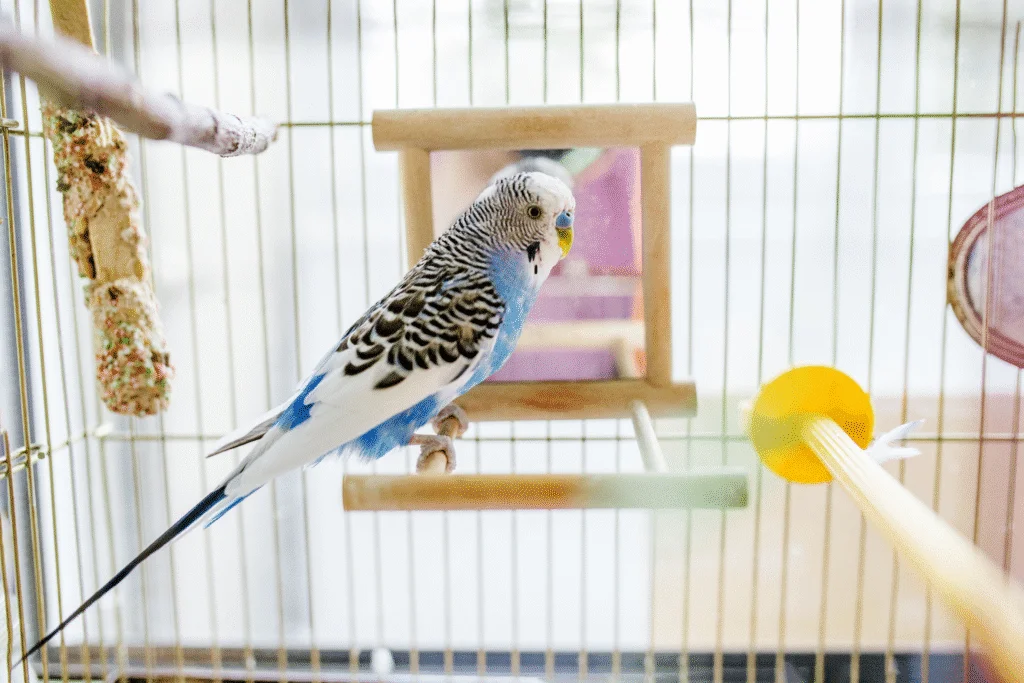
The safety of essential oils around birds is a complex issue. These oils are highly concentrated plant extracts with strong chemical properties. While some holistic veterinarians may use essential oils carefully in controlled medical environments, there is not enough research to prove that essential oils are safe or beneficial for birds in a home setting. Birds are much more sensitive to airborne toxins than humans, which means even small amounts of vapor, fragrance, or particles can irritate their respiratory systems.
In most cases, essential oils are not considered safe for routine household use around birds. The type of oil, the method of diffusion, the level of dilution, and the individual sensitivity of your bird all play important roles. Because of the uncertainty and potential danger, most avian veterinarians recommend avoiding essential oils unless you have received clear instructions from a trained specialist.
Dangers and Risks of Using Essential Oils Around Birds
1. Toxicity Risks
Some essential oils contain compounds that can be toxic to birds when inhaled, ingested, or absorbed through the skin. These chemicals can cause respiratory distress, neurological symptoms, or organ damage.
2. Strong Fragrance and Irritation
Even diluted essential oils have powerful aromas that can irritate a bird’s lungs and air sacs. Birds breathe much faster than humans, which increases their exposure to airborne particles.
3. Diffuser Hazards
Diffusers release tiny droplets of oil into the air. These droplets can land on feathers, perches, food bowls, and water dishes. Birds may inhale them or accidentally ingest the residue while grooming.
4. Concentration Issues
Essential oils are often sold at 100 percent concentration. Using them without proper dilution increases the risk of poisoning or respiratory problems.
5. Insufficient Veterinary Evidence
There are not enough scientific studies showing safe levels of essential oils for birds. Because the risks are high and the benefits are uncertain, most veterinarians choose caution.
Essential Oils Considered Unsafe for Birds
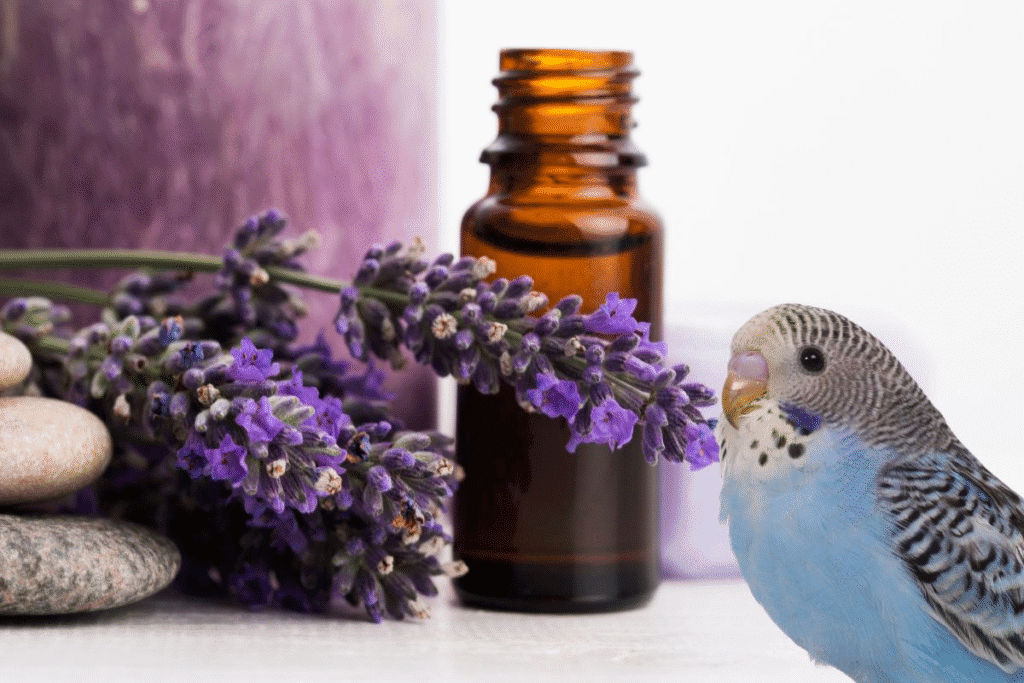
The following essential oils are widely reported as unsafe and should be avoided around birds:
- Tea tree oil
- Eucalyptus oil
- Cinnamon oil
- Peppermint oil
- Clove oil
- Wintergreen oil
- Pine oil
- Oregano oil
- Thyme oil
These oils can trigger respiratory distress, neurological problems, or poisoning even when used in small amounts. Bird owners should always request a complete safe and unsafe oil list from their avian veterinarian, as different species may react differently.
Why Birds Are More Sensitive to Essential Oils
Birds have a highly efficient respiratory system designed for flight. Their lungs are connected to a series of air sacs that circulate air continuously. This allows oxygen to move through their bodies quickly, but it also means harmful particles can spread through their system faster.
Additional sensitivity factors include:
- Birds have very small bodies, so toxins reach harmful levels rapidly.
- Their respiratory tissues are thin and easily irritated.
- They groom themselves frequently, increasing the risk of oral exposure.
- Their bodies cannot metabolize certain plant compounds effectively.
These biological differences make it unsafe to assume that what is harmless to humans is also harmless to birds.
How to Use Essential Oils Safely Around Birds (Only With Vet Approval)
If your avian veterinarian has specifically approved limited use of essential oils, follow these strict guidelines:
1. Keep Your Bird in a Separate Room
Never diffuse oils in the same room as your bird. Move your bird far from the area where oils are being used.
2. Ensure Strong Ventilation
Open windows and use exhaust fans to clear the air.
3. Use Only Fully Diluted Oils
Never use oils at full concentration. Ask your vet for precise dilution ratios.
4. Do Not Apply Oils to Feathers or Skin
Essential oils can damage feathers, cause skin irritation, and lead to stress.
5. Do Not Add Oils to Drinking Water
Essential oils do not mix well with water and can form concentrated droplets that may poison your bird.
6. Clean Surfaces Thoroughly
If you use oils for cleaning, rinse all surfaces multiple times to remove any residue before returning your bird to the area.
7. Avoid Warmers and Diffusers Near Birds
Diffusers create fine mist particles that travel through the air and settle on feathers, toys, bowls, and cage bars.
Common Misconceptions About Essential Oils and Birds

Misconception 1: Natural Products Are Always Safe
Many natural substances are toxic to birds, including essential oils, avocado, and chocolate. Natural does not equal safe.
Misconception 2: Diffusers Are Harmless
Diffusers break oils into tiny droplets that easily enter a bird’s respiratory system.
Misconception 3: Essential Oils Can Boost Bird Health
There is no evidence proving that essential oils improve avian health. Most claims are anecdotal and not supported by veterinary research.
Misconception 4: Applying Oils on Feathers Helps Soothing
This is extremely dangerous. Oils can weigh down feathers, reduce insulation, and cause stress.
When to Contact a Veterinarian
Contact an avian veterinarian immediately if your bird shows any of the following symptoms after exposure to essential oils:
- Difficulty breathing
- Tail bobbing
- Drooling or unusual mouth movements
- Weakness or wobbling
- Seizures
- Loss of appetite
- Rapid breathing
- Unusual quietness or hiding behavior
- Discharge from the eyes or nose
Early treatment can save your bird’s life.
Frequently Asked Questions
Is lavender oil safe for birds?
Lavender oil may be considered mild for humans, but it is not proven safe for birds. It should not be used without veterinary approval.
Can I use essential oils to clean my bird’s cage?
You can use diluted essential oils for cleaning only if you rinse every surface thoroughly to remove all residue. Avoid fragrances and oils that remain on surfaces.
Can birds drink water with essential oils added?
No. Essential oils can separate, forming concentrated pockets that may poison your bird.
Are there any essential oils proven safe for birds?
There is no universally confirmed safe list. Only your veterinarian can recommend specific products.
Is diffusing essential oils in another room safe?
If the bird is kept in a completely separate area with closed doors and good ventilation, the risk is lower, but still not entirely safe.
Conclusion
Essential oils may offer benefits for humans, but they can be dangerous for birds due to their sensitive respiratory systems and small body size. Because scientific research on essential oil safety for birds is limited, most veterinarians advise extreme caution. If you choose to use essential oils in your home, always consult an avian veterinarian, dilute oils properly, and keep your bird far from direct exposure. Responsible decisions help create a safe and healthy environment for your pet bird.

Dr. Johnson Coleman is a dedicated veterinary expert with over 10 years of hands-on experience in animal health and wellness. His mission is to help pets live longer, happier lives through compassionate care, practical guidance, and a genuine love for animals.
After earning his Doctor of Veterinary Medicine (DVM) degree, Dr. Coleman spent a decade working in both private clinics and community shelters, where he gained deep expertise in preventive medicine, pet nutrition, and behavioral care.
He believes that pet owners deserve reliable, easy-to-understand information about their companions’ health. Through his writing, Dr. Coleman breaks down complex veterinary topics into friendly, actionable advice that helps readers make informed decisions for their pets.
Outside of his professional work, Dr. Coleman volunteers with local animal rescue groups and enjoys spending time outdoors with his two golden retrievers. His lifelong dedication to animal welfare continues to inspire his work and connect with pet lovers around the world.