

Homemade dog food can be safe and nutritious, if it’s well balanced and vet-approved. Canine – High quality Protein (chicken, turkey, fish, beef), good carbs (rice, pasta, potatoes), fiber (vegetables which should have 5% of every cooked recipe for your dog in general), Fat preservatives like grape seed oil and vegetables oil & the elusive animal/dog vitamin mineral items. Diets made at home and not supplemented are inadequate.
Key Takeaways
• “Complete and balanced” diets contain the necessary nutrients in correct proportions for a given stage of life (such as “growth” or “adult maintenance”). This label should be looked for when checking recipes as recommended by the Association of American Feed Control Officials (AAFCO).
• Home-cooked recipes or recipes found online tend to lack nutrients unless designed by a veterinary nutritionist and combined with dog supplements according to Tufts University’s Cummings School of Veterinary Medicine.
• Food Safety: Dry food should be stored at temperatures below 80°F. Cooked leftovers should be stored in their original packaging and should not be kept longer than 3-4 days.
Is Homemade Right for Your Dog? (Pros, Cons & Who Should Avoid It)
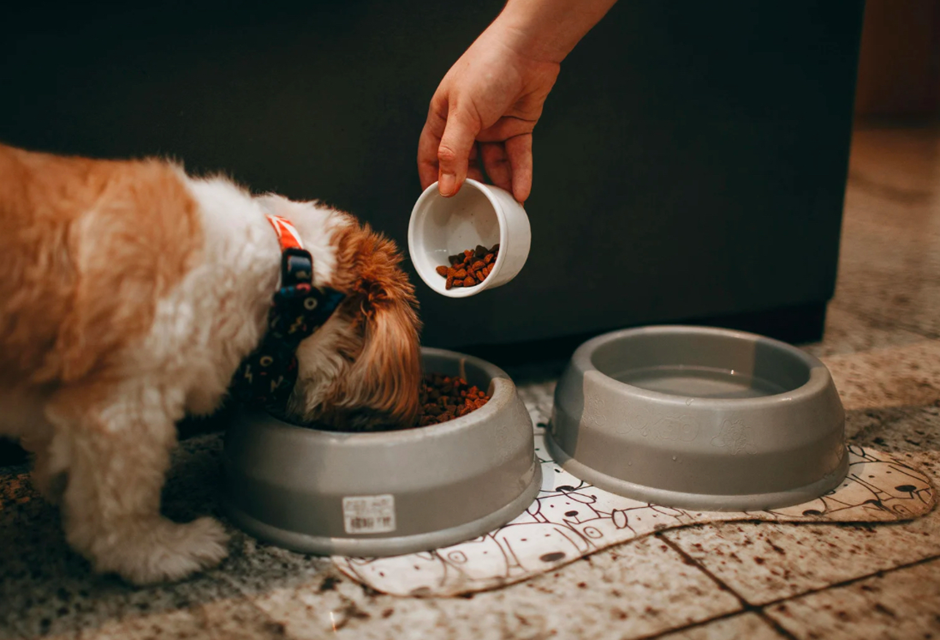
Why owners choose this food: ingredient control, taste, formulation for sensitivities.
“Costs” of making pet food at home: time investment required in preparation and planning the recipe; potential imbalances if the recipe has not been certified and the dog receives additional supplements. Commercial pet foods labeled as “complete and balanced” must meet the nutrient levels as recommended by AAFCO or withstand the AAFCO feeding test.
You should not pursue a Do-It-Yourself Diet plan if they are: puppies, pregnant/dogs in lactation states/dogs in lactation states dogs suffering from clinical disorders like kidney disease/stones/intestinal disease and urinary/water stones. Instead, consult a Board-Certified Veterinary Nutritionist (ACVIM/ACVN).
The Non-Negotiable for a Balanced Canine Diet
- Life stage fit and balance: AAFCO/WSAVA specifies that the diets must be complete and balanced depending on the dog’s life stage.
- Macro & micro nutrients: In addition to protein, fat, carbs, and fiber, dogs also have specific vitamin, mineral, essential fatty acid requirements, and calcium: phosphorus proportions that can only be met with the addition of dog-specific supplements in homemade diets. According to the World Small Animal Veterinary Association (WSAVA), homemade diets can’t be studied as formally as commercial diets.
- Use trusted recipes/solutions: Studies from Tufts University show that most “balanced” recipes online are under-nutritious; Tufts states the “great preponderance” are inappropriate because they lack ≥1 vitamin or mineral. Consider diets created through the wisdom of the ACVN or trusted recipe sources targeting AAFCO.
Food Safety & Storage (Must-Follow Hygiene Rules)
- Dry Food: Keep in original packages. Fold top back tightly. Store in a cool dry place (< 80° F). It is best to store in a clean container with a closed lid. Note the lot number in case of a recall
- Leftovers: Immediately refrigerate cooked leftovers; 3 to 4 days in the fridge can be the safe shelf life; freeze for longer storage.
- Food Safety Basics: Hand/tools-washing, separating meat, refrigerating in shallow containers, reheating leftovers.
Vet-Approved Recipe Frameworks (with Supplement Note)
Important: These recipes below are for educational purposes only and are for healthy dogs. They must be approved by your veterinarian/nutritionist in order to meet the requirements set forth for your dog in the AAFCO/NRC.
A) MSPCA-Angell Sample (15-lb / ~6.8-kg adult)
Per day (cooked weights):
• Dark-meat chicken: ~80 g
• Cooked white rice: ~190 g (~1⅓ cups)
• Mixed vegetables: ~15 g (~1 Tbsp)
• Vegetable oil: 5 – 10 g (1–2 tsp)
• Dog-specific supplement: per directions (Balance IT Canine)
The feeding schedule recommended by the MSPCA suggests about 300 g/day of the mixture for a 15-pound dog at 443 kcal/day.
B) MSPCA-Angell 30-lb Variant (as reported)
Per day (cooked weights):
• Dark-meat chicken: ~130 g
• Cooked white rice: ~320 g
• Mixed vegetables: ~25 g
• Vegetable oil: ~10 – 15 g
• Dog-specific supplement: per directions
(Sourcing and grams as reported; confirm with your vet.)
C) How a Vet-Designed Recipe is Typically Structured
Use grams (primary) and cups only as a convenient guideline; protein cuts, preparation style, and dog-specific vitamin supplement should be specified.
See the protocol at University of California Davis School of Veterinary Medicine.
A dog-specific vitamin/mineral formula must complement the average dog’s diet to satisfy AAFCO or NRC nutrient standards, as human vitamin/mineral supplements or “calcium from eggshells” won’t.
Common Mistakes to Avoid
- Missing or incomplete dog-specific vitamin supplements
- Estimating amounts instead of weighing ingredients
- Human dishes or “internet recipes” copied without review
- Storing foods improperly (see danger zone and 2-hour rules)
Cost & Time: Homemade vs. Commercial
Home-cooked food tends to cost more than purchased dry food but can cost less than fresh subscription services. Even so, if you decide to pursue this option, prepare your dog’s food in batches, divide the amounts into servings, freeze them to avoid wastage and maintain the shelf life.
Do-Not-Feed List (quick check)
Grapes/raisins • Xylitol • Chocolate/cocoa • Alcohol • Onion/garlic/chives • Macadamia nuts • Raw yeast dough • Excess fat trimmings • Cooked bones (splinter risk). Keep packaging numbers and call your vet or ASPCA Poison Control (888-426-4435) if exposure occurs.
Quick start plan
- Get a recipe reviewed by your veterinarian (preferably a board-certified nutritionist).
- Cook in batches weighing exactly as required, adding the recommended dose of supplements.
- Transition over 2 – 3 weeks (25% → 50% → 75% → 100
- Food safety: Cool quickly and store refrigerated for 3/4 days. Freeze the remaining.
- Re-check the amounts each 1/2 weeks; call your vet if vomiting/diarrhea, loss of appetite, or rapid weight changes.
As long as you can stick to the consistency of balance, cleanliness, and observation, homemade feeding can both be safe and rewarding – for your dog, to boot: their nutritious cuisine to match the corresponding attention.
When to Call the Vet (while home-cooking)
- Vomiting that persists
- Significant change in weight, skin problems, or lack of energy
- Urinary changes
Frequently Asked Questions
Q1: Is a home diet healthier than kibble?
No. “Healthy”, means – complete and balanced for the stage of life. Most homemade diets lack nutrients unless created and fortified by a veterinary nutritionist.
Q2: Do I really need a supplement?
Almost always, yes. This is the best way to meet vitamin/mineral requirements at home: use pet-specific products under the specifications of a recipe developed for your pet by your vet/nutritionist.
Q3: Can I store cooked dog food for the week?
Refrigerate 3/4 days maximum; freeze the rest. Keep foods away from the 40 – 140° F danger zone temperature and observe the 2-hour rule.
Q4: What about raw diets?
Mention the risk of pathogens and imbalance to your veterinarian. If so chosen, strict procedures and the advice of your veterinarian are required.
Q5: How do I find a vet nutritionist?
Use the ACVIM/ACVN directory (many offer remote consults).
Conclusion
Homemade dog food can be the best option if you want more control over the ingredients and are ready to manage the complete and balanced plan. Just like how you monitor your health plan, manage the homemade dog plan as follows: Work from a recipe created by a vet or nutritionist; Use dog-specific supplements as needed; Measure weights in grams; Base servings on calories from the calculation of RER to MER. After that, track body weight, bowel movements, energy levels, and BCS ratings each week.
Disclaimer: In all cases, consult your veterinarian – ideally a Board-Certified Veterinary Nutritionist for advice when planning a change to your dog’s diet. Home-prepared diets must meet the nutritional requirements for the dog’s life stage.

Dr. Johnson Coleman is a dedicated veterinary expert with over 10 years of hands-on experience in animal health and wellness. His mission is to help pets live longer, happier lives through compassionate care, practical guidance, and a genuine love for animals.
After earning his Doctor of Veterinary Medicine (DVM) degree, Dr. Coleman spent a decade working in both private clinics and community shelters, where he gained deep expertise in preventive medicine, pet nutrition, and behavioral care.
He believes that pet owners deserve reliable, easy-to-understand information about their companions’ health. Through his writing, Dr. Coleman breaks down complex veterinary topics into friendly, actionable advice that helps readers make informed decisions for their pets.
Outside of his professional work, Dr. Coleman volunteers with local animal rescue groups and enjoys spending time outdoors with his two golden retrievers. His lifelong dedication to animal welfare continues to inspire his work and connect with pet lovers around the world.


