

Summer can be a wonderful season to explore the outdoors with your dog, but high heat, strong sun, and hot surfaces can quickly turn dangerous. This guide walks you through how to keep your dog cool, hydrated, and safe around water, plus how to spot trouble early and act fast.
Gentle reminder at the start: This guide shares general education only. Always speak with your veterinarian about your dog’s specific health needs, and seek urgent veterinary care if you notice signs of heatstroke, serious burns, or any emergency.
Key Takeaways
- Treat summer heat as a real medical risk, especially for flat faced breeds, seniors, puppies, thick coated dogs, and dogs with heart or breathing problems. AKC Canine Health Foundation
- Keep your dog cool with shade, airflow, and access to indoor spaces, and never leave a dog in a parked car, even for a short time. American Kennel Club
- Offer fresh clean water at all times and use safe tricks like ice cubes or a little dog safe broth to encourage drinking, while avoiding ingredients such as onion and garlic. MSD Veterinary Manual
- Walk at cooler times and protect paw pads with a simple pavement hand test, shaded routes, and dog boots when needed. Montclair Pet Hospital
- Learn the warning signs of heatstroke, such as heavy panting, bright or dark red gums, weakness, vomiting, or collapse, and treat this as an emergency.
- Use dog safe sunscreen and shade to protect vulnerable skin on the nose, ears, and thin coated areas, and never use human sunscreen unless your veterinarian has approved a specific product. Best Pets Veterinary
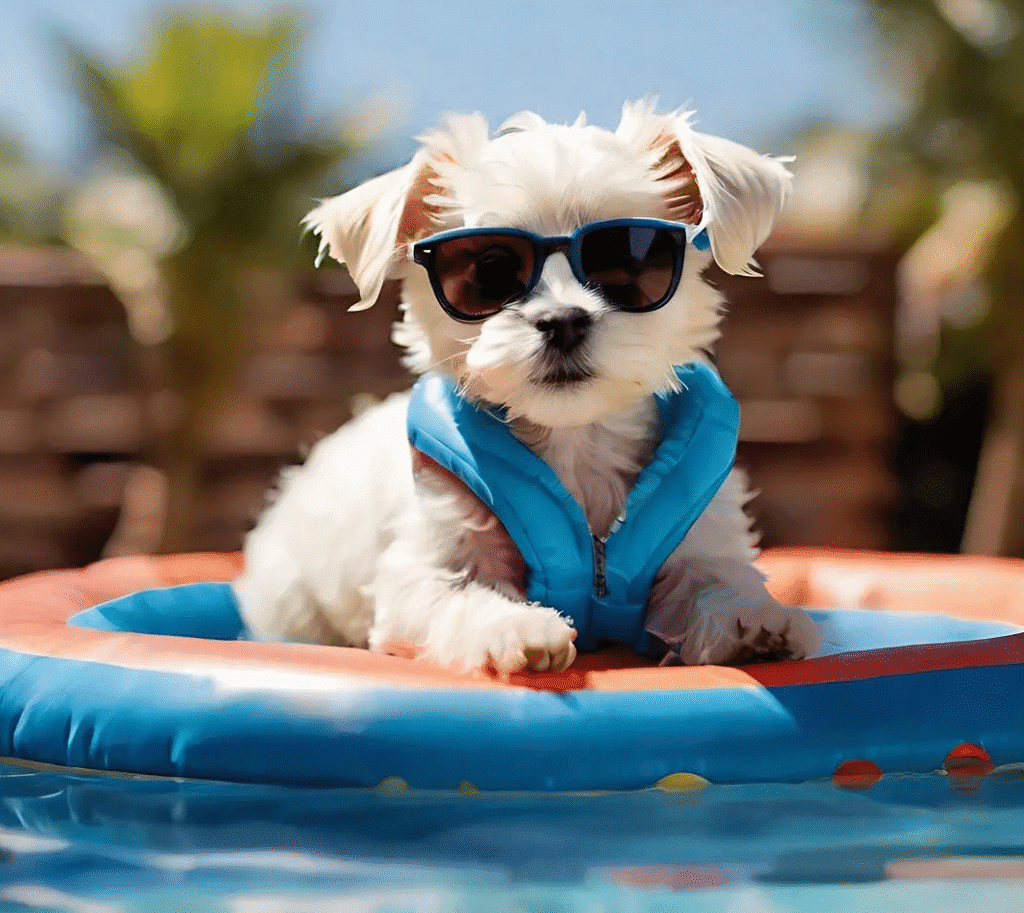
- Around pools, lakes, and the ocean, use life jackets for weaker swimmers, supervise closely, limit saltwater intake, and teach safe entry and exit routes.
What Summer Heat Does to Dogs
Dogs do not cool themselves the same way humans do. They have only a small amount of sweat glands on their paw pads, which does very little for temperature control. Their main cooling tool is panting, which releases heat through moisture evaporation from the tongue and airways. American Kennel Club
When the environment is very hot or very humid, panting becomes less effective. If the body makes heat faster than it can lose it, body temperature rises and can reach dangerous levels.
Some dogs struggle much more in summer heat, including
- Flat faced breeds such as bulldogs and pugs, whose airway shape makes breathing and panting less efficient
- Senior dogs and young puppies
- Overweight dogs, who carry more insulation and often have lower fitness
- Thick or double coated breeds such as some mountain and northern types
- Dogs with heart disease, lung disease, or airway disease such as laryngeal paralysis or chronic bronchitis American Kennel Club+1
If your dog fits any of these categories, take extra precautions
- Avoid the hottest times of day entirely
- Keep exercise light and short when it is warm
- Use shade, fans, and cool indoor areas whenever possible
- Talk with your veterinarian about whether your dog needs stricter limits or cooling aids
How Hot Is Too Hot
Veterinary sources describe normal dog body temperature as roughly one hundred to about one hundred three point eight degrees Fahrenheit. Vca Anything well above that range because of environmental heat is called hyperthermia and can lead to heatstroke.
Major damage can occur when body temperature climbs above about one hundred six degrees, and temperatures near one hundred nine degrees can cause organ failure and death without rapid treatment.
Most owners do not have a thermometer handy during walks, so it helps to use a simple decision guide.
Practical heat guide for everyday walks
- Cool and generally safe
- Mild weather with a gentle breeze, plenty of shade, and your dog seems comfortable
- Keep walks reasonable and carry water
- Use caution
- Warm days, especially when the sun is strong or humidity is high
- Shorten walks, stay on grass or shaded paths, and watch your dog closely for early signs of fatigue or heavy panting
- High risk
- Very hot days, or any day that feels oppressive to you
- Avoid strenuous exercise outside, focus on short toilet trips and indoor activities instead
Never rely only on air temperature. Pavement and sand can become much hotter than the air. One report cited by the American Kennel Club notes that when the air is around eighty six degrees, asphalt can reach about one hundred thirty five degrees, which can burn paws quickly.
A simple pavement test
- Place the back of your hand on the pavement or sand for about seven to ten seconds.
- If you cannot keep it there comfortably, it is too hot for your dog’s paws. Montclair Pet Hospital
Also remember
- A parked car can reach life threatening temperatures in a very short time, even with windows cracked and even on days that feel only warm to you. Never leave your dog alone in a car. American Kennel Club
Keep Cool at Home and Outside

Shade and airflow basics
- Provide solid shade in the yard using trees, umbrellas, shade cloths, or a covered patio.
- Make sure air can move freely. A small enclosed kennel in full sun can become dangerously hot. AKC Canine Health Foundation
- Offer multiple resting spots so your dog can move away from the sun as it shifts.
Indoor cooling tips
- Use fans or air conditioning to keep indoor temperatures comfortable.
- Create a cool rest area with a tile floor, cooling mat, or damp towel your dog can choose to lie on.
- Close blinds on sunny windows during the hottest part of the day.
Safe water play rules
Shallow water play can be a great cooling tool when it is done thoughtfully.
- Use a shallow kiddie or dog pool and keep water at ankle or lower leg depth for small dogs and puppies.
- Stay within arm’s reach and never leave a dog unsupervised around any pool.
- Empty and refill the water frequently, especially if your dog drinks from the pool. Stale standing water can hold bacteria or parasites that upset the stomach.
- Avoid water from unknown puddles or ponds with algae, especially scummy or discolored water, which can sometimes contain harmful algae. News.com.au
Avoid unsafe hacks such as
- Pouring very cold water or ice over the entire body very suddenly
- Covering your dog with wet towels and leaving them in place for a long time, since this can trap heat against the body rather than releasing it Vca
Quick checklist before you go outside
- Fresh bowl or bottle of cool water ready
- Shady route planned, with grass where possible
- Pavement checked with the back of your hand
- Time limit in mind based on current temperature and your dog’s risk level
- Plan for rest breaks in shade
Hydration That Actually Works
Water needs differ by size, activity, diet, and temperature, so it is safest to focus on general principles rather than exact numbers unless your veterinarian gives a specific target. In hot weather, dogs lose more water through panting and can become dehydrated faster.

Practical ways to support hydration
- Keep fresh cool water available at all times indoors and outdoors.
- Clean bowls daily to avoid slime build up.
- Place extra bowls in different rooms or on different floors so water is always easy to reach.
- On walks or outings, carry a bottle and a collapsible bowl or a travel bottle with attached dish.
Gentle hydration boosters that are usually safe for many healthy dogs
- Add a few ice cubes to the water bowl for a cooling effect if your dog enjoys them.
- Add a small splash of dog safe broth with no onion, garlic, or added salt to make water more appealing.
- Offer water rich foods such as vet approved wet food as part of meals, if appropriate for your dog’s diet.
Safety notes
- Onions, garlic, leeks, chives, and related plants are toxic to dogs in surprisingly small amounts. They can damage red blood cells and lead to anemia, so avoid any broth or table scraps that contain them.
- If your dog is on a special medical diet or has kidney, heart, or hormonal disease, ask your veterinarian before changing water flavorings or food type.
Safe Exercise Timing and Heat Smart Activities
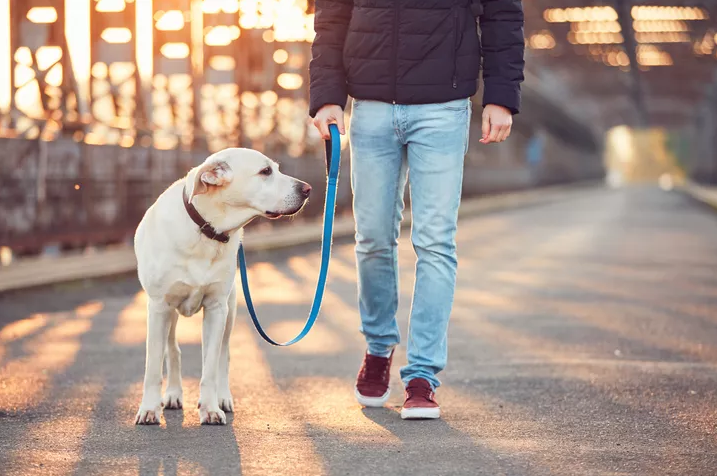
Midday summer heat is risky for most dogs, even if they appear eager to go out. Hot sun, high humidity, and hot pavement increase the chance of heatstroke and paw burns. American Kennel Club
A safer general plan
- Main walks at dawn and dusk when air and ground are cooler
- Short toilet breaks during the hottest hours, then back to shade or indoors
- Extra care for high risk dogs such as flat faced breeds and seniors, who may need even earlier or later walks and shorter durations
Heat smart activity ideas for indoors
- Short training sessions with basic cues or fun tricks
- Food puzzles or slow feeding toys
- Simple scent games, such as hiding treats around a room for your dog to sniff out
- Tug or gentle play sessions in a cool room
These activities provide mental stimulation without adding dangerous heat stress.
Hot Pavement and Paw Pad Protection
Dogs’ paw pads look tough, yet they can burn quickly on hot pavement, cement, and sand. Temperatures on dark asphalt can reach well above one hundred twenty degrees even when the air feels much cooler.
Step by step pavement test
- Step one
Place the back of your hand flat on the pavement, sidewalk, or sand. - Step two
Hold it there for about seven to ten seconds. - Step three
If it feels uncomfortably hot or you have to move your hand away, do not let your dog walk on that surface. Choose grass, dirt trails, or a different time of day.
Protection options
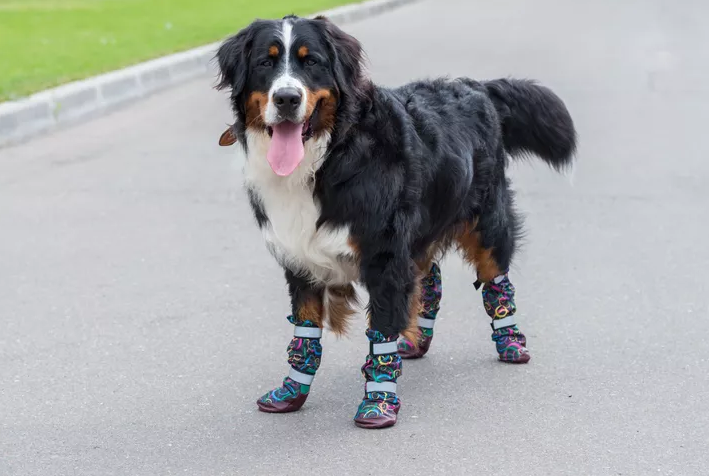
- Use well fitting dog boots for longer walks on hot surfaces.
- Choose shady routes with more grass or dirt and less dark pavement.
- Carry your dog for short distances if they are small and the surface is too hot near home or the car.
If you suspect a paw burn
- Move your dog onto a cool surface right away.
- Rinse paws gently with cool, not icy, water.
- Do not apply ointments or creams without veterinary advice, since some human products are unsafe if licked.
- Contact your veterinarian promptly if you see blisters, limping, darkened pads, or your dog seems painful when walking.
Heatstroke and Heat Exhaustion
Heat exhaustion and heatstroke are life threatening medical emergencies. Heat exhaustion means the body is struggling but may still respond to early cooling and rest. Heatstroke means body temperature has risen to dangerous levels and can damage organs.
Common warning signs of overheating and heatstroke in dogs include
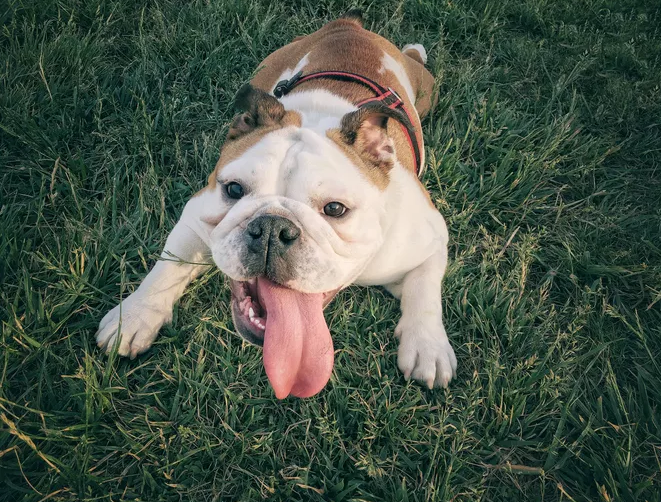
- Heavy or excessive panting that does not settle with rest
- Thick drool or ropey saliva
- Bright red, very dark, or pale gums and tongue
- Fast heart rate, restlessness, or agitation
- Weakness, wobbling, or collapse
- Vomiting or diarrhea, sometimes with blood
- Glazed eyes, confusion, or seizures VSOS – Veterinary Specialists of Sydney
What to do immediately
If you suspect heatstroke
- Move your dog into shade or a cool indoor space right away.
- Offer small amounts of cool water frequently, but do not force drinking.
- Wet the body with cool, not icy, water, especially the belly, armpits, inner thighs, and paws.
- Place a fan in front of your dog to help evaporation and cooling.
- Call your veterinarian or an emergency clinic at once and follow their instructions.
- Transport your dog to veterinary care as soon as it is safe to do so.
What not to do
- Do not use ice water or immerse your dog in very cold baths, which can constrict blood vessels and slow heat loss.
- Do not give human fever medication such as ibuprofen or acetaminophen, which can be toxic to dogs.
- Do not wait to see if your dog “gets better later” once signs of heatstroke appear. This condition can worsen very quickly.
Strong but calm reminder
Heatstroke is an emergency. Immediate veterinary care can be the difference between life and death. If you are ever unsure, treat the situation as urgent and contact a veterinarian right away.
Sun Safety and Sunburn Prevention
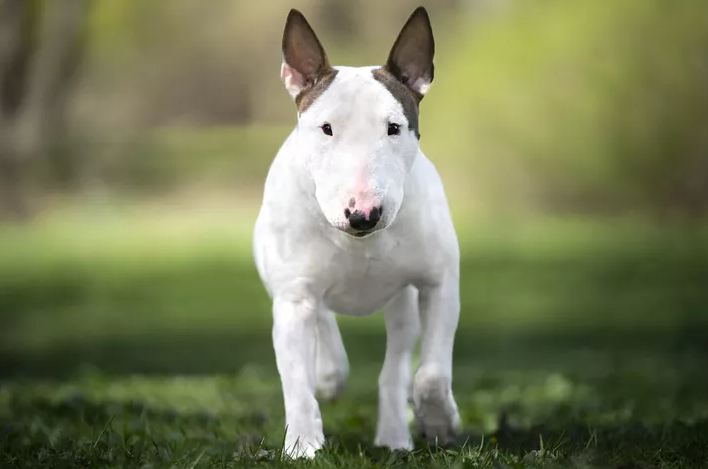
Yes, dogs can get sunburned. Sources such as PetMD and veterinary dermatology specialists note that light coated or hairless dogs, dogs with shaved areas, and dogs with pink or lightly pigmented skin are at highest risk.
Commonly affected areas include
- Nose and muzzle
- Ear tips and around the ears
- Face and around the eyes
- Belly and inner thighs where fur is thinner
- Any shaved or sparsely haired patch
Protection tips
- Limit direct sun between late morning and mid afternoon, especially during peak UV hours similar to human guidance.
- Use shade structures, trees, clothing designed for sun protection, or cooling shirts if your dog tolerates them.
- Apply a dog specific sunscreen on exposed areas as recommended by your veterinarian. Veterinary dermatology resources advise using products made for pets and avoiding ingredients such as zinc oxide or PABA, which can be toxic if licked.
- Reapply as directed on the product whenever your dog swims, rolls in grass, or spends extended time outdoors.
If you see redness, peeling, or your dog seems painful to the touch, contact your veterinarian for care, since severe sunburn can require medical treatment and repeated burns raise skin cancer risk.
Water Safety at Pools, Lakes, and Beaches
Not all dogs are natural swimmers. Some breeds, especially flat faced dogs, very heavy chested breeds, and dogs with mobility or heart problems, can tire quickly in water.

When to use a life jacket
- Any time you are on a boat, kayak, or paddle board
- With dogs who are new to swimming or have poor fitness
- With brachycephalic dogs and short legged breeds, who can struggle to keep their head above water
- In open water with waves or currents
Choose a bright jacket with a handle on top so you can lift your dog easily.
Beach hazards and saltwater risks
- Waves, undertow, and strong currents can pull dogs off balance or out from shore.
- Many dogs keep playing even when they are exhausted, which raises the risk of drowning.
- Large amounts of seawater can cause salt poisoning. Veterinary sources describe signs such as vomiting, diarrhea, excessive thirst, confusion, tremors, and seizures. Animal Poisons Helpline
Prevention steps
- Offer fresh water often so your dog does not feel driven to drink seawater.
- Call time on play before your dog is exhausted.
- Avoid letting your dog swim in areas with algae blooms or discolored water. News.com.au
Pool rules
- Teach your dog how to enter and exit safely using the stairs or a ramp. Practice this calmly so they know exactly where to go.
- Supervise closely anytime your dog has access to the pool.
- Use fences or locked gates around backyard pools when you are not there.
- Discourage drinking large amounts of chlorinated pool water, which can irritate the stomach.
Water day checklist
- Life jacket for dogs who need it
- Fresh water and a portable bowl
- Shade such as an umbrella or tent
- Towels for drying and warming after swimming
- Plan for rest breaks in a cool spot
- Rinse off salt, sand, or pool chemicals after the day
Expert Tips and Real Life Examples
These short scenarios show how to turn guidelines into everyday choices. They are based on common situations reported by veterinarians and pet owners. American Kennel Club
Morning city walk on a warm day
Alex lives in an apartment with a medium sized mixed breed dog. The forecast predicts a warm dry day with a hot afternoon. Alex sets an early alarm, checks the pavement with the back of a hand, and chooses a route with trees and grass rather than dark asphalt. They carry a small water bottle and give the dog a short rest in shade halfway through.
Takeaway
Planning around cooler hours and surface temperature keeps the walk safe and enjoyable.
Backyard play with a kiddie pool
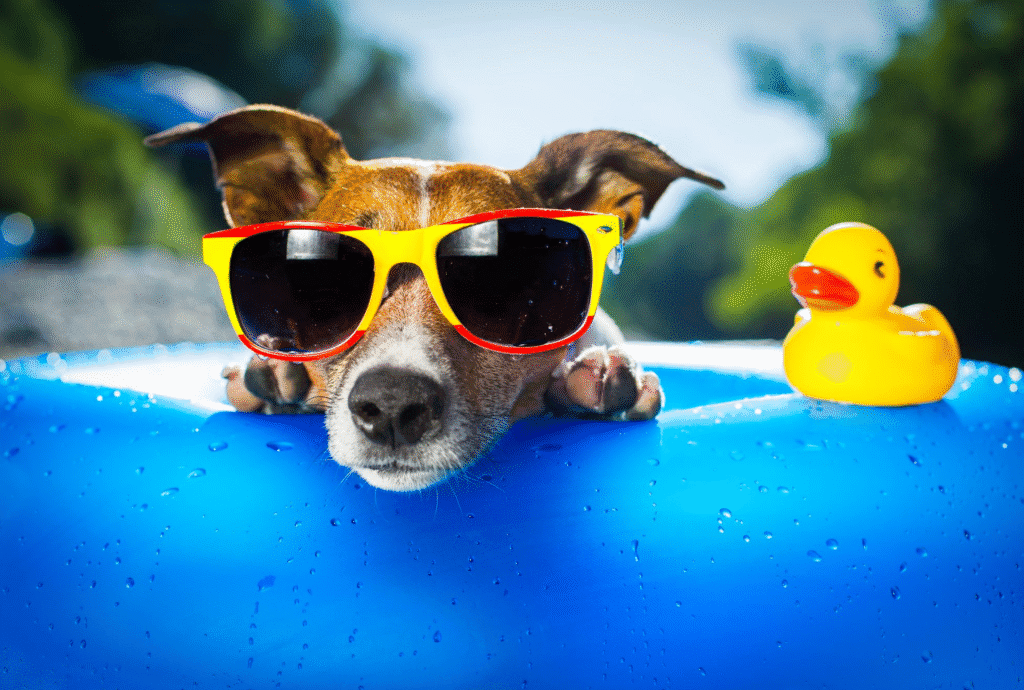
Riya has a young retriever who loves water. On a summer day Riya sets up a shallow kiddie pool in the yard under partial shade and fills it with fresh water. She keeps the water only ankle deep, stays close while her dog splashes, and empties the pool afterward so the water does not sit all day.
Takeaway
Shallow supervised water play with fresh water is a safe way to cool off many dogs.
Beach trip with a flat faced dog
Sam takes a French bulldog to a quiet beach in the early morning. They bring a dog life jacket, fresh water, and a beach tent. The dog wears the jacket near the shore, gets only short swims with rest in between, and never shows heavy panting or distress. When the sun becomes stronger, Sam packs up and heads home before midday.
Takeaway
For high risk breeds, strict limits, buoyancy support, and early departure are essential around water and heat.
Frequently Asked Questions
Q1: What are early signs that my dog is overheating
Common early signs include heavy panting, bright red gums, thick drool, restlessness, and reluctance to keep walking. As overheating worsens, you may see vomiting, diarrhea, weakness, collapse, or seizures. Treat this as urgent and contact a veterinarian right away. Vca
Q2: What is the best time to walk my dog in summer
Very often the safest choice is early morning and late evening when air and ground are cooler. In hot or humid climates, even evenings can stay warm, so always test the pavement and watch your dog closely. High risk dogs may need shorter walks and even earlier times. American Kennel Club
Q3: Can dogs get sunburned
Yes. Dogs, especially those with light or thin coats, pink skin, or shaved areas, can burn in strong sun. The nose, ears, face, and belly are common trouble spots. Prevention with shade, clothing, and dog safe sunscreen is important.
Q4: Is dog sunscreen safe
Use products designed specifically for pets, or ones your veterinarian recommends, and avoid human sunscreens unless your vet has said a particular product is acceptable. Many human formulas contain zinc oxide or PABA, which can be harmful if a dog licks them. Follow label directions and reapply as needed.
Q5: Can my dog drink ocean water
A few small licks while playing are usually not a problem for most healthy dogs, but drinking large amounts of seawater can cause salt poisoning. Signs include vomiting, diarrhea, extreme thirst, confusion, tremors, or seizures. Offer fresh water often and see a veterinarian urgently if these signs appear after a beach trip. Animal Poisons Helpline
Q6: How can I protect my dog’s paws on hot pavement
Test surfaces with the back of your hand for several seconds. If it feels too hot for you, it is too hot for your dog. Use shaded routes, walk on grass or dirt, and consider dog boots. On very hot days, move walks to cooler hours. Montclair Pet Hospital
Conclusion
Summer does not have to be dangerous for your dog, but it does require planning and awareness. Focus on three pillars
- Keep your dog cool with shade, airflow, and indoor breaks
- Protect paws, skin, and body temperature with smart timing, surfaces, and sun safety
- Watch closely for early warning signs of overheating and act fast when something seems wrong
When in doubt, call your veterinarian. They know your dog’s medical history and can tailor advice to your climate and lifestyle. A simple call or visit now can prevent a serious emergency later.
Gentle reminder at the end
This guide is for general information only and does not replace professional veterinary care. If you are ever worried that your dog may be in danger, especially from heatstroke, burns, or severe vomiting after swimming, seek urgent veterinary help right away.

Dr. Johnson Coleman is a dedicated veterinary expert with over 10 years of hands-on experience in animal health and wellness. His mission is to help pets live longer, happier lives through compassionate care, practical guidance, and a genuine love for animals.
After earning his Doctor of Veterinary Medicine (DVM) degree, Dr. Coleman spent a decade working in both private clinics and community shelters, where he gained deep expertise in preventive medicine, pet nutrition, and behavioral care.
He believes that pet owners deserve reliable, easy-to-understand information about their companions’ health. Through his writing, Dr. Coleman breaks down complex veterinary topics into friendly, actionable advice that helps readers make informed decisions for their pets.
Outside of his professional work, Dr. Coleman volunteers with local animal rescue groups and enjoys spending time outdoors with his two golden retrievers. His lifelong dedication to animal welfare continues to inspire his work and connect with pet lovers around the world.