

Barking is one of the most natural things a dog does. A few sharp barks at the door or an excited woof during play is completely normal. But when the noise feels constant or out of control, it quickly becomes stressful for you, your neighbors, and often for your dog as well.
The good news is that excessive barking almost always has a reason. Once you understand what your dog is trying to say, you can use kind, science based training and a few lifestyle changes to bring the volume down. This guide walks you through causes, health checks, step by step training, and when to involve a professional, so you can help your dog feel calmer and quieter.
Key Takeaways
- Excessive barking is a symptom, not a personality flaw. Common causes include fear, pain, boredom, frustration, and separation related distress.
- A veterinary check should come early, especially if barking is new or suddenly worse, because health problems and age related changes can trigger vocalizing.
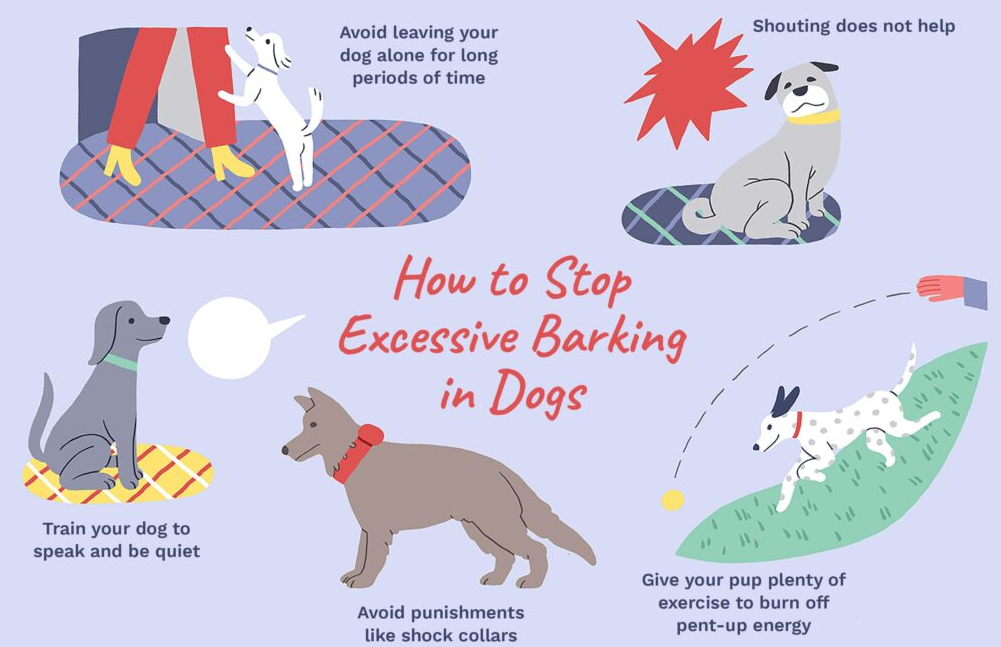
- Reward based training that teaches your dog what to do instead of barking is safer and more effective than punishment. According to the American Kennel Club, teaching a quiet cue with treats and praise is a core strategy to reduce barking. American Kennel Club
- Daily physical exercise plus mental enrichment, such as sniff walks and puzzle feeders, often reduces barking that comes from boredom or excess energy. akcpetinsurance.com
- Harsh tools and debarking surgery do not solve the underlying problem and may harm your dog. Working with your veterinarian and a qualified trainer or behaviorist is the ethical long term solution. Vca
What Counts as Excessive Barking in Dogs

Every dog barks sometimes. Normal barking might include:
- A burst of noise when someone walks past your door
- A short series of barks when your dog wants to play
- A few warning barks at an unusual sound
Barking becomes excessive when:
- It goes on for long stretches, such as many minutes or more, several times a day
- It happens over small triggers that most dogs would ignore
- It disrupts sleep or daily life for you or your neighbors
- Your dog seems unable to settle, even when the trigger has gone
Some breeds, such as many small watchdog types and certain herding dogs, are naturally more vocal. Even so, they should still be able to rest quietly for much of the day and night. Constant pacing and barking usually signal that something is wrong, either physically, emotionally, or in their environment. ASPCA
Why Dogs Bark Excessively
Most dogs bark too much for one or more of the following reasons. Your own dog may have several causes at the same time.

Health Problems and Pain
When a dog hurts, they may bark more, whine, or cry. Pain barking can appear when your dog moves, when you touch a sore area, or seemingly out of nowhere if there is chronic discomfort such as arthritis or dental disease.
Possible health related causes include:
- Joint pain from arthritis
- Ear infections, especially if your dog shakes or scratches their ears
- Dental disease, broken teeth, or mouth pain
- Skin infections or allergies that make them itch constantly
- Acute problems such as bee stings or injuries
These issues are not always obvious at home. Many dogs hide pain until it becomes severe, which is why a veterinary visit is so important if the barking pattern changes.
Age Related Changes and Cognitive Issues
Older dogs sometimes begin to bark at night or seem to bark at nothing. This can be linked to:
- Canine cognitive dysfunction, a brain change similar to dementia in humans
- Confusion or getting stuck in corners or behind furniture
- Changes in sleep and wake cycle, with more confusion at night
- Vision or hearing loss that makes the world feel startling and strange
You might notice an older dog wandering, pacing, or waking up to bark at odd hours. They are not being stubborn. They are likely confused or uncomfortable and need both medical support and gentle environmental changes.
Fear, Phobias, and Startle Responses
Many dogs bark when they are frightened. Common fear triggers include:
- Thunderstorms, fireworks, or loud vehicles
- Strangers or unfamiliar dogs
- Sudden movements, objects, or noises inside the home
Fearful barking may come with body language such as tucked tail, ears held back, lip licking, panting, or backing away while barking. Animal Health Topics
Territorial and Alert Barking
Dogs often bark to warn about someone or something near their home or yard. This territorial barking may be aimed at:
- People walking past the window
- Delivery drivers or visitors
- Dogs and wildlife outside
According to the ASPCA, a dog’s sense of territory can include not only the house and yard but also places you frequently walk together, such as a favorite street or park. ASPCA
Loneliness, Boredom, and Lack of Mental Stimulation
Dogs are social animals. When left alone for long stretches with nothing to do, many will bark out of frustration or boredom. This is especially common in young, energetic dogs who do not get enough physical exercise or brain work. akcpetinsurance.com
Signs include:
- Barking that starts after you leave and continues for long periods
- Chewing furniture, digging, or pacing along with the barking
- Calmer behavior on days with more walks, play, or training
Attention Seeking and Greeting Barking
Some dogs quickly learn that barking brings you over. If you respond every time with eye contact, scolding, or petting, they are rewarded for making noise, even if your intention was to correct them. Greeting barkers may:
- Bark excitedly whenever someone enters the house
- Bark and jump when they see familiar people or dogs
- Settle once they have received attention
Separation Anxiety and Distress When Left Alone
Dogs with separation related problems do not just feel bored. They feel distressed, even panicked, when separated from their main person. Barking and howling can be intense and may come with:
- Destructive chewing or scratching at doors and windows
- House soiling only when left alone
- Pacing, drooling, or trying to escape confinement
These dogs need a careful behavior plan and often medication support from a veterinarian, not simple correction.
Health Red Flags and When to See the Vet First

Before you assume your dog is just being noisy, ask whether there might be a medical or age related reason. A veterinary exam should be early in your plan if:
- The barking is new or suddenly much worse
- Your dog has recently become a senior
- You see other changes such as limping, stiff movement, weight loss, or changes in appetite or thirst
- Your dog wakes at night confused, paces, or barks at walls or corners
- There are signs of ear, mouth, or skin problems such as scratching, bad breath, or strong odor
Veterinarians can:
- Look for pain and injury that are difficult to notice at home
- Screen for dental disease, ear infections, and arthritis
- Discuss screening for cognitive dysfunction in older dogs
- Recommend medication or supplements when appropriate
- Rule out serious disease that might cause restlessness and vocalizing
Only once medical causes have been addressed is it fair to focus mainly on training and environment.
Step by Step Process to Reduce Excessive Barking
Here is a practical plan you can follow. You do not need to do all of it in one day. Small, steady changes make the biggest difference.
1. Identify the Main Triggers
Start by observing your dog for a week. Keep a simple barking diary with notes such as:
- Time of day
- What was happening just before the barking started
- Where your dog was and who was present
- How long the barking lasted
Patterns might show that:
- Street noise or people walking past the window trigger barking in the afternoon
- Your dog barks mostly within fifteen minutes of you leaving
- Delivery drivers, doorbells, or visitors are a big trigger
This information tells you where to focus your efforts first.
2. Reduce Exposure to Triggers Where Possible
Management does not fix the underlying cause, but it reduces practice of the barking habit while you work on training. Examples include:
- Closing curtains or using privacy film on lower windows so your dog sees fewer passersby
- Playing calm background sound or white noise to soften outside noises
- Moving your dog’s resting place away from busy windows or shared walls
- Changing your walking route or time of day if your dog barks at certain houses or dogs
For dogs who bark mainly at the front door, consider keeping them behind a baby gate or in a quiet room with a chew or toy when you are expecting visitors.
3. Meet Your Dog’s Daily Needs for Exercise and Mental Work
A tired mind and body usually bark less. The right amount of activity depends on age, breed, and health, but many healthy adult dogs do best with:
- One or two daily walks that include time to sniff, not just brisk marching
- Short play sessions such as fetch, tug, or gentle chase games
- Training games where they earn rewards for simple cues like sit, down, and touch
- Food puzzle toys or scatter feeding so they work to find their meals
According to trainers quoted by American Kennel Club and other organizations, boredom and lack of exercise are among the most common reasons for nuisance barking.
Always match activity to your dog’s health. Senior dogs and dogs with medical conditions may need shorter, gentler sessions spaced through the day. Ask your vet what level of exercise is safe.
4. Teach a “Quiet” Cue Using Positive Reinforcement
Teaching your dog a quiet cue lets you reward the silence instead of fighting the noise. A simple method, adapted from American Kennel Club guidance, looks like this: American Kennel Club
- Choose a low distraction setting at first, such as a quiet room.
- Wait for your dog to bark once or twice at a mild trigger, or gently create a trigger such as a soft knock.
- When they pause for even one second, calmly say your chosen word such as “Quiet” and immediately give a tasty treat.
- Repeat, waiting for slightly longer pauses before rewarding, such as two seconds, then three seconds.
- Keep sessions short, such as five to ten treats per session, and stop while your dog is still engaged.
- Over several days, start saying “Quiet” just as you expect a pause, then reward when the pause happens.
- Gradually practice around slightly more exciting triggers, always setting your dog up to succeed.
The goal is that “Quiet” begins to mean “close your mouth and you will be rewarded.” Never shove the dog, hold their muzzle, or shout. This creates fear rather than learning.
5. Teach Alternative Behaviors
If your dog always races to the window to bark at people passing by, they need another job. Examples of replacement behaviors include:
- Going to a mat or bed away from the window
- Making eye contact with you for a reward
- Picking up a toy and bringing it to you
To teach “go to mat”:
- Place a bed or mat in a calm spot.
- Toss a treat onto the mat so your dog steps onto it. Praise as they eat.
- When they are happily going to the mat for tossed treats, add a cue such as “Bed.”
- Begin to reward them only when they lie down or stay on the mat for a moment.
- Later, when a mild trigger appears, calmly cue “Bed,” then reward on the mat.
Over time, your dog learns that hearing or seeing something outside is a signal to go to their spot and wait for something good.
6. Practice Calm Greetings
For dogs who bark and jump when people come in:
- Place a leash on your dog before guests arrive.
- Ask visitors to ignore the dog completely until all feet are on the floor and barking has paused.
- Reward your dog for sitting or standing quietly. A small treat tossed behind them can help them turn away from the door and reset.
- If the front door is too exciting at first, have your dog greet visitors in a quieter room after everyone has settled.
Consistency is key. If some people reward jumping and barking with excited attention while others do not, your dog will stay confused.
7. Build Independence for Dogs With Separation Related Barking
Separation related distress is complex. A general framework, based on guidance from veterinary and welfare groups, looks like this:
- Ask your veterinarian to confirm the diagnosis and rule out other causes. Medication or supplements may be part of the plan.
- Arrange temporary management such as dog sitters, day care, or bringing your dog to work when possible, to prevent severe panic while you train.
- Practice very short absences, starting with simply stepping out of sight for a few seconds, then returning before your dog panics.
- Gradually increase the duration in tiny steps over days and weeks, always staying below your dog’s panic point.
- Pair your departures with stable, predictable routines such as a special chew given only when you leave.
Because separation anxiety can be emotionally intense, it is wise to work with a certified trainer or veterinary behaviorist who uses reward based methods.
What Not to Do
When you are tired and frustrated, it is tempting to shout at your dog or reach for quick fix tools. Unfortunately, many of these options make things worse, not better.
Yelling or Punishing
Shouting may startle a dog into a moment of silence, but often they think you are barking along with them. It can increase anxiety and may damage your bond over time. The American College of Veterinary Behaviorists and many welfare groups warn that punishment based methods are associated with more fear and stress in dogs. Vca
Painful or Startling Devices
Devices such as shock collars, prong collars, or collars that spray unpleasant substances aim to suppress barking through discomfort. Problems include:
- They do not address the underlying cause such as fear or pain.
- They can make fear and anxiety worse by pairing triggers with pain.
- Many dogs learn to bark when the collar is not on, or in new situations.
Most veterinary behavior specialists and many large welfare organizations strongly discourage these tools in favor of humane, reward based training. Vca
Debarking Surgery
Debarking, or cordectomy, removes part of the vocal cords so the bark is quieter and hoarser. This procedure:
- Involves anesthesia and surgical risk without medical benefit to the dog
- Does not fix the cause of the barking, such as pain, fear, or distress
- May lead to scarring or breathing problems in some cases
Most veterinarians consider debarking an ethical last resort only in extremely rare, carefully evaluated cases, and many refuse to perform it. Behavioral help is almost always the better path.
Expert Tips and Real Life Examples
Start With One Main Trigger
Trying to fix every type of barking at once is overwhelming. Choose one pattern to work on first, such as barking at the window in the afternoon. Once you see improvement there, you can move on to door greetings or alone time.
Keep Sessions Short and Positive
Training does not need to take hours. Many dogs learn more from three sessions of five minutes than from one long session where everyone ends up tired and annoyed.
Use a Barking Diary
A simple notebook or phone note where you log barking episodes for a week can reveal patterns you had not noticed. You may learn that the worst noise always happens right after the school bus or just before dinner when your dog is hungry.
Real Life Scenario One: The Senior Night Barker
Luna, a twelve year old mixed breed, began wandering the house and barking at night. Her family thought she was being difficult. After a veterinary visit, she was diagnosed with early cognitive dysfunction and some arthritis. With pain relief, a supplement plan, a more structured evening routine, and soft night lighting in the hallway, her pacing and barking decreased and everyone slept better.
Real Life Scenario Two: The Bored Young Dog
Max, a two year old herding breed mix, barked at every sound and chewed furniture when left alone. His vet found no medical problems, but his owners realized he was getting only one short walk per day. They added sniff focused walks, daily training games, and puzzle feeders. They also covered the front window and practiced a quiet cue. Over several weeks, Max settled more easily and barked far less because his needs were finally met. akcpetinsurance.com
Frequently Asked Questions
Q1: Is it cruel to ignore my dog when it barks for attention
Ignoring attention seeking barking can be one helpful tool, but it should be combined with plenty of planned attention, play, and training at other times. Simply ignoring your dog all day and only responding when they bark harder would be unfair. A better approach is to calmly avoid reacting to barking, then reward quiet and calm behavior. If your dog’s barking feels desperate, check first for fear, pain, or frustration rather than assuming it is only attention seeking.
Q2: How long does it usually take to reduce excessive barking
There is no single timeline. Some dogs improve within a few weeks once you add exercise, enrichment, and basic training. Dogs with deep habits, severe fear, or separation anxiety may need several months of consistent work, especially if medical issues are involved. Progress is often uneven, with better and worse days, so focus on trends over time rather than perfection.
Q3: Can certain breeds simply not be trained to bark less
Some breeds are naturally more vocal watchdogs, but that does not mean you cannot improve their behavior. Even very talkative breeds can learn quiet cues, alternative behaviors, and better coping skills. You may never have a completely silent dog, but you can usually reduce the volume and frequency to a manageable level with patient, reward based training.
Q4: Are anti bark collars safe for dogs
Collars that correct barking through pain or fear are not considered safe or humane by many veterinary behavior experts. Even spray or vibration collars can startle or distress some dogs. They may temporarily reduce noise but often worsen anxiety or teach the dog to bark in other contexts. It is safer to work with a veterinarian or qualified trainer on underlying causes instead of relying on devices. Vca
Q5: How do I stop my dog from barking when alone in an apartment
First, ask your veterinarian to rule out medical problems and assess for separation related distress. Use management such as white noise machines, visual barriers to outside activity, and chew toys or puzzle feeders left safely in your dog’s area. Gradual alone time training, where you build up from very short absences, is essential. Because neighbors are close by, working with a professional trainer who has experience with separation related cases can make the process more efficient. ASPCA
Q6: When should I call a veterinarian or behaviorist about barking
You should call your veterinarian if barking is new, dramatically worse, or comes with changes in sleep, appetite, behavior, or movement. You should contact a certified trainer or veterinary behaviorist if your dog:
- Panics when alone
- Shows fear or aggression with barking
- Has not improved despite kind training and better routines
These professionals can design a plan tailored to your dog rather than relying on generic advice.
Conclusion
Excessive barking is not your dog trying to be difficult. It is a sign that something in their body, mind, or environment needs attention. By first checking for health problems, then understanding your dog’s triggers, meeting their daily needs, and using consistent, reward based training, you can usually reduce the noise and improve your dog’s quality of life.

Progress rarely looks perfect, but even small steps such as a quieter evening or a calmer greeting at the door are real wins. If you feel stuck, you do not have to solve it alone.
Always consult a licensed veterinarian or qualified trainer for guidance tailored to your dog.

Dr. Johnson Coleman is a dedicated veterinary expert with over 10 years of hands-on experience in animal health and wellness. His mission is to help pets live longer, happier lives through compassionate care, practical guidance, and a genuine love for animals.
After earning his Doctor of Veterinary Medicine (DVM) degree, Dr. Coleman spent a decade working in both private clinics and community shelters, where he gained deep expertise in preventive medicine, pet nutrition, and behavioral care.
He believes that pet owners deserve reliable, easy-to-understand information about their companions’ health. Through his writing, Dr. Coleman breaks down complex veterinary topics into friendly, actionable advice that helps readers make informed decisions for their pets.
Outside of his professional work, Dr. Coleman volunteers with local animal rescue groups and enjoys spending time outdoors with his two golden retrievers. His lifelong dedication to animal welfare continues to inspire his work and connect with pet lovers around the world.