
Yes, most dogs can eat plain, fully cooked pasta in small amounts, but it should be an occasional treat, not a regular part of their diet. Pasta itself is not toxic, yet it is mostly carbohydrates and can add extra calories fast, which matters for weight and long term health.
In real life, the bigger risk usually comes from what pasta is served with, like garlic, onion, rich sauces, and salty seasonings. This guide covers what is safe, what is risky, how much is sensible, healthier alternatives, and clear signs it is time to call your veterinarian.
Key Takeaways
• Plain, cooked pasta is generally safe for many dogs in tiny portions, but it is not nutritionally important and can be “empty calories.”
• Avoid pasta dishes with garlic, onions, chives, leeks, or heavy seasoning because Allium plants can damage red blood cells and cause anemia. MSD Veterinary Manual
• Keep treats and extras to about 10 percent or less of daily calories, so pasta should be a rare add on, not a meal.
• Uncooked pasta can be a choking hazard and large amounts can contribute to blockage risk, so cooked is the safer form if you choose to share.
• If your dog eats pasta with sauce or you notice vomiting, weakness, pale gums, breathing changes, or collapse, call a veterinarian right away.
What Is Pasta And Why It Matters For Dogs?
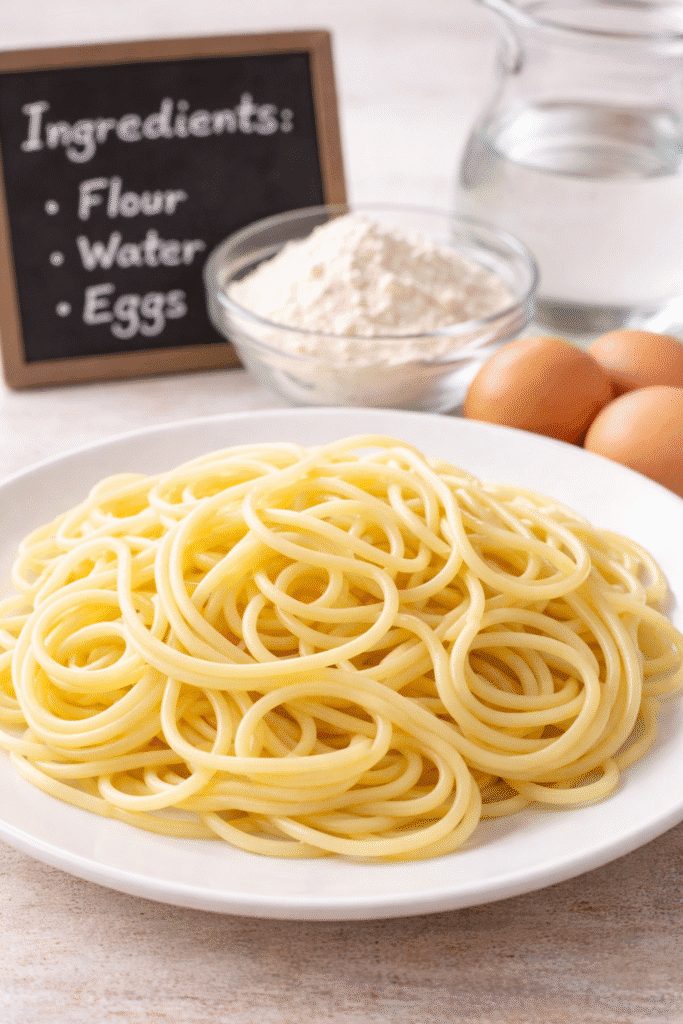
Pasta is typically made from a starch base such as wheat flour or semolina plus water, and sometimes eggs. Plain pasta is not inherently toxic to dogs.
So why do pet parents worry about it?
First, pasta is calorie dense for what it gives back nutritionally. Dogs need balanced protein, fats, vitamins, and minerals, and most of those should come from a complete and balanced dog food. Pasta can crowd out better nutrition if it becomes a habit.
Second, pasta is rarely served plain in real homes. It often comes with marinara, garlic bread, onion, cheese, butter, salt, spicy seasonings, or rich meats. Those extras are where many problems start, ranging from stomach upset to true toxicity. Vca
Finally, some dogs have sensitivities. A dog with a wheat allergy, inflammatory bowel disease, pancreatitis history, diabetes, or obesity risk may do poorly with starchy table foods, even if another dog seems fine.
There is also a little nuance and debate you may see online: some people treat plain pasta like plain rice during an upset stomach. While bland carbs can sometimes be used short term under veterinary guidance, a homemade bland diet is not complete and balanced, and it is meant to be temporary when advised.
Key Benefits Or Possible Advantages Of Pasta For Dogs (If Any)
For most dogs, pasta offers convenience more than health benefits. If there is any “upside,” it tends to fit into one of these limited situations.
An occasional treat for a dog with no diet restrictions
A bite or two of plain cooked noodles can be a safe, low drama treat for a healthy adult dog, especially if you count it as treat calories.
A simple, bland food when your veterinarian recommends it
Some veterinarians use bland foods short term for stomach upset, often choosing easily digested options and clear instructions. However, it is important to understand that common bland combinations are nutritionally incomplete and should not be continued long term unless formulated by a veterinary nutrition professional. Vca
The least risky form is plain and fully cooked
If you share at all, plain and cooked is the safest direction. Uncooked pasta can be a choking hazard and large amounts may contribute to intestinal blockage risk.
Bottom line: any benefit is small compared with the potential downsides if pasta becomes frequent, replaces balanced meals, or includes risky toppings.
Risks, Warnings, And Mistakes To Avoid
Risk 1: Sauces and seasonings are the real danger
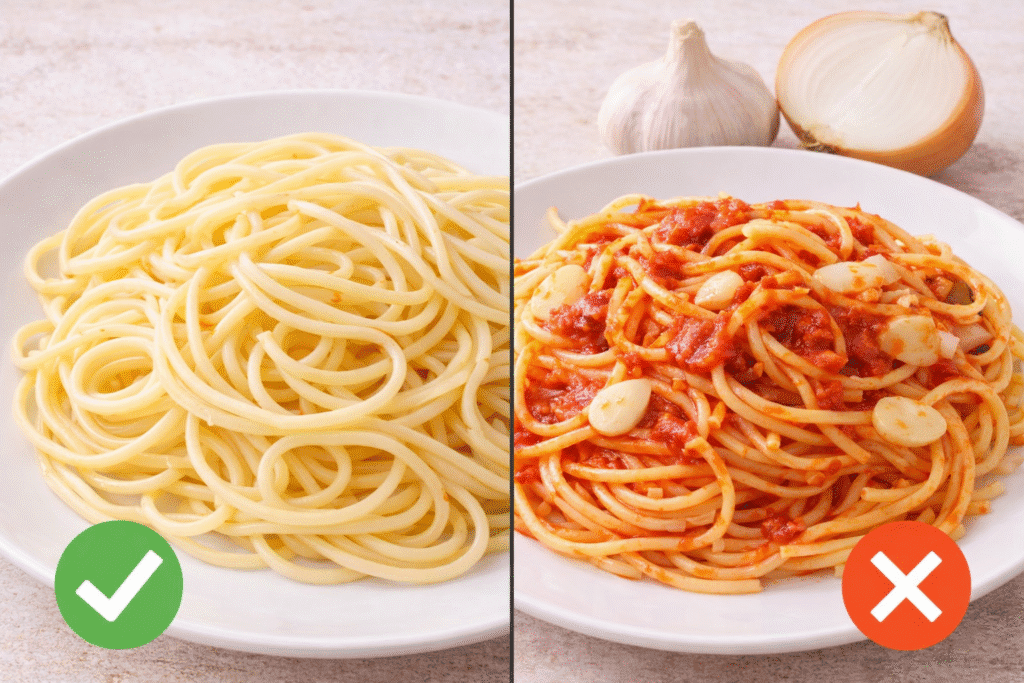
Many pasta sauces contain garlic and onions. These are in the Allium family, which can cause oxidative damage to red blood cells in dogs and lead to hemolytic anemia. Signs can take time to show up, so a dog may seem fine at first and then develop weakness or other symptoms later. MSD Veterinary Manual
What you might notice at home:
• Vomiting or diarrhea after a rich meal
• Weakness or unusual tiredness
• Pale gums
• Fast breathing or fast heart rate
• Dark or discolored urine in more serious cases
If your dog ate a garlic or onion heavy pasta dish, it is worth calling your veterinarian promptly, especially for small dogs, puppies, or dogs with existing health issues.
Risk 2: Too many calories leads to weight gain and related problems
Pasta is largely carbohydrate and can act like “extra calories” on top of a dog’s normal diet. Pet health groups commonly recommend keeping treats and extras to about 10 percent or less of daily calories. WSAVA
That matters because even small “human” portions are big for many dogs. Weight gain can worsen joint pain, reduce stamina, and increase risk for other chronic problems.
Risk 3: Salt and rich add ons can trigger stomach upset and worse
Many pasta dishes are salty. Large salt exposures can cause vomiting and can progress to neurologic signs like tremors or seizures in more serious cases. Merck Veterinary Manual
Cheese, butter, and oily meats can also upset digestion, especially in dogs prone to gastrointestinal sensitivity.
Risk 4: Uncooked pasta can cause choking or blockage concerns
Dry pasta is hard and can be a choking hazard. Pet health guidance also notes that large amounts of uncooked pasta can increase blockage risk and cause gastrointestinal distress.
Common mistakes pet parents make
• Sharing a bowl meant for humans, then calling it “just a little”
• Forgetting that sauces often hide garlic and onions even when you cannot see them
• Letting a cute moment turn into a daily habit
• Giving pasta to a dog who is overweight, diabetic, or on a prescription diet without checking with a veterinarian first
Step By Step Guide To Feeding Pasta Safely (Or Avoiding It)
If you want to share pasta sometimes
- Know when to stop and call the vet
Call your veterinarian promptly if your dog shows repeated vomiting, refuses water, seems weak, has pale gums, has trouble breathing, collapses, or you suspect garlic or onion exposure from sauce. - Check whether pasta fits your dog’s situation
Think about age, size, weight goals, and medical history. If your dog has diabetes, obesity, pancreatitis history, chronic stomach issues, or food allergies, ask your veterinarian before offering table foods. - Choose the safest version
Pick plain pasta that is fully cooked, soft, and served with no sauce, no garlic, no onions, and no seasoning. - Keep portions genuinely small
Use the treat calorie rule as your anchor: treats and extras should be about 10 percent or less of daily calories.
Practical examples that stay conservative:
• Extra small dogs: a single small noodle piece
• Small dogs: one or two small noodles
• Medium dogs: a few noodles
• Large dogs: a small handful of noodles
These are general examples. Your veterinarian can help match portions to your dog’s calorie needs. - Limit frequency
Think of pasta as an occasional treat, not a weekly staple. If your dog loves “people food,” rotate safer lower calorie options like green beans or carrot pieces instead of repeating pasta. - Monitor after offering
For the next 24 hours, watch for vomiting, diarrhea, gas, restlessness, itching, or new lethargy. If you see mild stomach upset once, skip pasta in the future.
If your dog ate pasta you did not mean to share
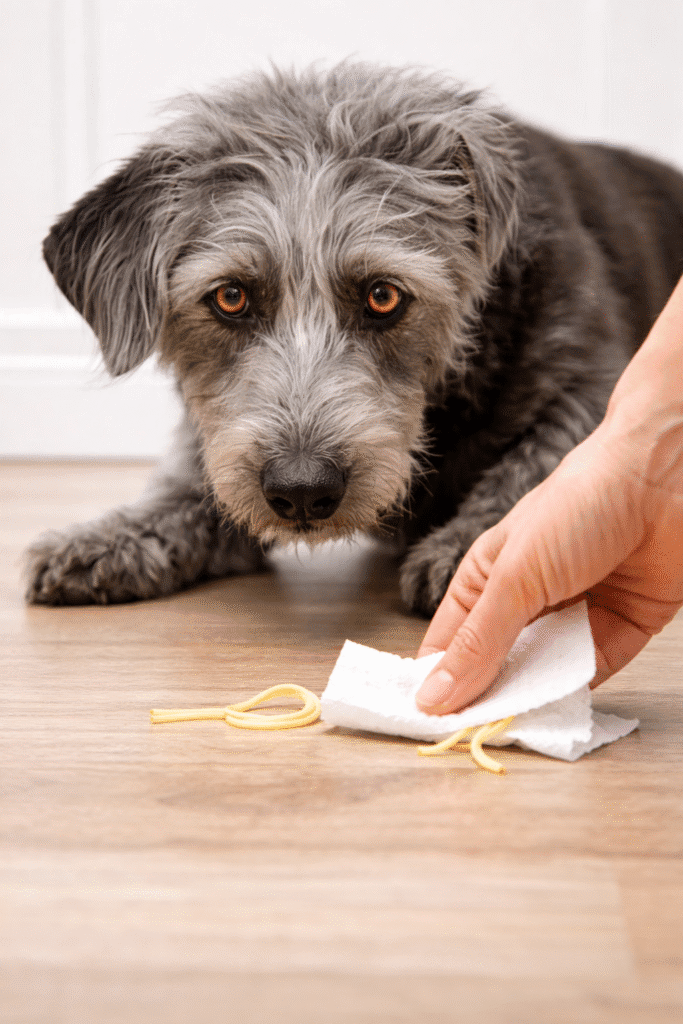
- Stay calm and identify what was eaten
Plain noodles are usually less concerning than pasta with sauce, garlic, onions, or a very salty topping. - Estimate how much and your dog’s size
A large dog eating one dropped noodle is different from a small dog eating a bowl of garlic heavy pasta. - Watch for choking or blockage signs if it was dry pasta
Uncooked pasta can be a choking hazard and large amounts can raise blockage concerns.
If your dog is gagging, retching, drooling heavily, has a swollen belly, or cannot keep water down, seek veterinary care urgently. - When in doubt, call
If sauce was involved, if your dog is very small, or if symptoms appear, call your veterinarian.
Expert Tips And Real Life Examples
Tips that work well in real homes
• Make a “safe bite rule” for the whole family: only plain noodles, only a tiny taste, and only when an adult confirms it has no sauce.
• Put a small portion aside before seasoning dinner. That way you are not trying to scrape sauce off later.
• Keep treat calories in one mental bucket. If your dog got pasta, reduce other treats that day to stay near the 10 percent guideline. WSAVA
• Use safer swaps that feel like a reward but add fewer calories, such as small carrot coins, cucumber slices, or green beans.
Real life example 1: The dropped noodle moment
You are draining pasta and one noodle hits the floor. Your dog snatches it. In a healthy adult dog, a single plain noodle is unlikely to cause trouble. You can simply monitor for mild stomach upset and move on.
What you do next matters more: keep the dog away from the pot and do not let it become a “kitchen reward” habit.
Real life example 2: Pasta night with marinara
A family member shares spaghetti with marinara. Two days later, the dog seems unusually tired and you notice pale gums. Because onions and garlic can damage red blood cells and anemia signs may take time to appear, this is a call the veterinarian situation, even if vomiting is not severe. MSD Veterinary Manual
Frequently Asked Questions
Q1: How much pasta can my dog eat in one day or week?
If you feed pasta at all, keep it as an occasional treat and keep treats and extras to about 10 percent or less of daily calories.
For many dogs, that translates to only a few plain noodles at a time, not a bowl.
Q2: Is pasta bad for puppies or senior dogs?
Plain cooked pasta is not usually toxic, but puppies and seniors can be more sensitive to diet changes and may have smaller calorie budgets.
Ask your veterinarian if your puppy is still growing, your senior has kidney or heart issues, or your dog is on a therapeutic diet.
Q3: What should I do if my dog ate pasta with sauce or seasoning?
If garlic, onions, chives, leeks, or heavy seasoning may have been involved, call your veterinarian for advice because Allium ingredients can cause red blood cell damage and anemia. MSD Veterinary Manual
Seek urgent care right away if your dog is weak, has pale gums, is vomiting repeatedly, or collapses.
Q4: Can dogs eat uncooked pasta?
Uncooked pasta can be a choking hazard and large amounts may increase risk for intestinal blockage and gastrointestinal distress.
If your dog got into a bag of dry pasta, call your veterinarian, especially if you notice vomiting, belly pain, bloating, or inability to keep water down.
Q5: Are chickpea, lentil, or other alternative pastas safer?
They can still be plain carbohydrates, and the safest approach remains small portions and no sauces. If your dog eats a boutique or grain free diet heavy in peas or lentils, talk with your veterinarian about overall diet choices because the FDA has investigated potential links between certain diets and canine dilated cardiomyopathy, and ongoing research is still evolving. U.S. Food and Drug Administration
Conclusion
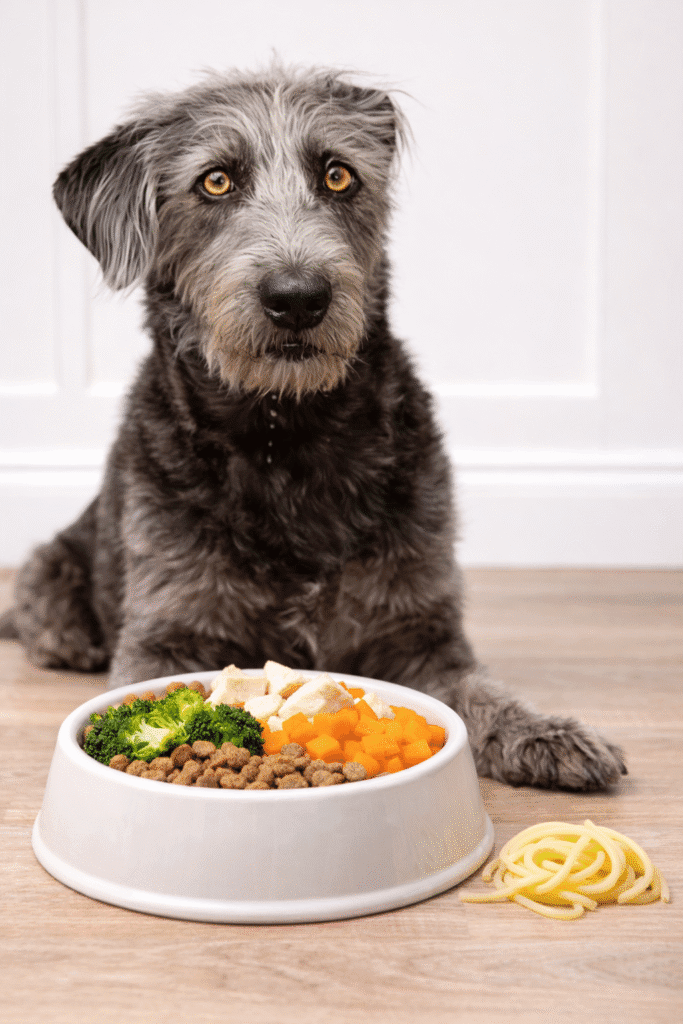
Most dogs can have a tiny amount of plain, fully cooked pasta now and then, but it is best treated as an occasional extra, not a meaningful part of a balanced diet.
The main safety rule is simple: avoid sauces and toppings, especially garlic and onions, and keep portions small enough that they do not crowd out your dog’s regular nutrition.
Always consult a licensed veterinarian for advice tailored to your dog’s specific health needs.

Dr. Johnson Coleman is a dedicated veterinary expert with over 10 years of hands-on experience in animal health and wellness. His mission is to help pets live longer, happier lives through compassionate care, practical guidance, and a genuine love for animals.
After earning his Doctor of Veterinary Medicine (DVM) degree, Dr. Coleman spent a decade working in both private clinics and community shelters, where he gained deep expertise in preventive medicine, pet nutrition, and behavioral care.
He believes that pet owners deserve reliable, easy-to-understand information about their companions’ health. Through his writing, Dr. Coleman breaks down complex veterinary topics into friendly, actionable advice that helps readers make informed decisions for their pets.
Outside of his professional work, Dr. Coleman volunteers with local animal rescue groups and enjoys spending time outdoors with his two golden retrievers. His lifelong dedication to animal welfare continues to inspire his work and connect with pet lovers around the world.