
A Vet Explained Respiratory Guide For Worried Pet Parents

You wake up with a sore throat, stuffy nose, and a box of tissues nearby. As you sneeze, your cat blinks from the edge of the bed and you suddenly wonder whether they can catch your cold. It is a very common worry, especially for first time cat parents who think of their cats as family.
The good news is that cats do not catch the usual human cold viruses that make people feel miserable. They do, however, get their own upper respiratory infections that can look very similar, and in some situations they can pick up influenza A or the virus that causes COVID 19 from people.
This guide walks you through what cat colds really are, what they can and cannot catch from humans, the key warning signs to watch for, how vets treat feline respiratory infections, and simple steps you can take at home to keep your pet safer and more comfortable.
Key Takeaways
- Cats cannot catch the usual human cold viruses that cause most colds in people.
- Most cat colds are upper respiratory infections caused by feline viruses such as feline herpesvirus one and feline calicivirus.
- Some human respiratory viruses, including influenza A and SARS CoV 2, can occasionally pass from people to cats, so extra hygiene is important when you are sick.
- Sneezing, nasal discharge, runny eyes, congestion, and loss of appetite are common signs of feline upper respiratory infection.
- Breathing trouble, refusal to eat or drink, severe lethargy, or high fever are red flag signs that mean your cat needs urgent veterinary care.
What Is A Cat Cold And Why It Matters

When people talk about a “cold,” they usually mean a short term upper respiratory infection caused by specific human viruses such as respiratory syncytial virus, human parainfluenza viruses, some human coronaviruses, adenovirus, or human metapneumovirus. These viruses are adapted to people and do not usually infect cats.
Cats, however, can develop their own upper respiratory infections. Vets often call these URIs, which stands for upper respiratory infections. Many owners use the phrase “cat cold” because the signs resemble a human cold. Your cat may sneeze, have a runny or stuffy nose, watery or inflamed eyes, or sound congested and snuffly. Some cats also have a mild fever, feel tired, or eat less than usual.
The important difference is that the viruses and other germs that cause cat URIs are not the same as typical human cold viruses. Most feline URIs are caused by two main feline viruses called feline herpesvirus one and feline calicivirus. These viruses are very common in cats worldwide and can spread easily between cats through secretions from the nose, eyes, and mouth.
There are a few exceptions. Influenza A viruses can sometimes move from people to cats, and cats in close contact with infected people have also tested positive for SARS CoV 2, the virus that causes COVID 19. In most reported cases, the cats had mild illness, but it still matters because it affects how you should handle your cat when you are sick.
Understanding what counts as a “cat cold,” how it spreads, and when it is serious helps you make better decisions for your pet, especially if there are multiple cats in the home, small children, or anyone with a weakened immune system in the family.
Causes And Key Benefits Of Understanding This Topic

Main Causes Of Upper Respiratory Infections In Cats
Viral causes
The majority of feline URIs come from two viruses.
- Feline herpesvirus one
This virus usually infects cats when they are young. Once a cat is infected, the virus stays in the body for life. When the cat is healthy and not stressed, the immune system keeps the virus quiet. During periods of stress, illness, or other immune challenges, the virus can “wake up” and cause sneezing, eye inflammation, and nasal discharge again. In kittens, infection can be very serious and sometimes life threatening. - Feline calicivirus
This virus is another very common cause of cat colds. It can cause sneezing, runny nose, mouth ulcers, and sometimes lameness or more severe disease. Together, feline herpesvirus one and feline calicivirus are believed to cause around 90 percent of upper respiratory infections in cats.
Bacterial causes
Bacteria often act alone or as “secondary” infections on top of viral illness. Common bacterial culprits include Bordetella bronchiseptica, several Mycoplasma species, and Chlamydia felis. These bacteria can worsen coughing, sneezing, nasal discharge, and eye problems, and they sometimes require specific antibiotics prescribed by a veterinarian.
Fungal causes
Fungal infections are less common but can be very serious. Species like Cryptococcus neoformans, Cryptococcus gattii, and Aspergillus can affect the nose, sinuses, and sometimes other parts of the body, including the brain and lungs. These infections usually need long courses of antifungal medications and close monitoring by a vet.
Why Knowing This Helps You And Your Cat
Understanding the true causes of cat colds is not just an academic detail. It directly affects how you care for your pet.
- You are more likely to recognize early warning signs and seek veterinary help before your cat becomes seriously ill.
- You can make better decisions about isolating new cats, shelter cats, or sick cats from other pets in the home to reduce spread.
- Knowing that common human cold viruses do not usually infect cats can ease anxiety when you are the one who is sick.
- Understanding that influenza A and SARS CoV 2 can sometimes move from people to cats reminds you to practice good hygiene and limit close cuddling while you recover.
This knowledge turns a vague fear of “my cat might get my cold” into a clear action plan that keeps both you and your pet safer.
Risks, Warnings, And Mistakes To Avoid
Most mild feline URIs look like a human cold and can improve with appropriate veterinary guidance and home care. But some situations are true emergencies.
When A Simple Cat Cold Becomes An Emergency
Contact your veterinarian as soon as possible or seek emergency care if you notice any of the following signs.
- Open mouthed breathing
- Fast breathing or visible effort while breathing
- Your cat has stopped eating or drinking for more than one day
- Marked lethargy, listlessness, or sudden behavior changes
- Fever over 103 degrees Fahrenheit, if you are able to safely take your cat’s temperature at home
Difficulty breathing is always an emergency in cats. They can deteriorate quickly, so do not wait to see if it improves on its own.
Higher Risk Cats
Some cats are more vulnerable to complications from respiratory infections. These include kittens, senior cats, cats with chronic illnesses such as heart disease or kidney disease, and cats with weakened immune systems. For these pets, even mild sneezing or reduced appetite deserves quicker attention from a vet.
Common Mistakes Pet Parents Make
- Waiting too long to call the vet
Many owners hope the sneezing will pass, but if your cat is not improving after a few days, or if you see any red flag signs, it is much safer to get professional advice. - Using human cold medicine on cats
Human cold and flu products can be dangerous or even fatal for cats. Some contain ingredients that affect the liver, heart, or nervous system. Never give your cat human medicines unless a veterinarian has specifically told you to do so. - Assuming every sneeze is harmless
Occasional sneezes can be normal, but repeated sneezing combined with nasal discharge, runny eyes, noisy breathing, or reduced appetite usually points to infection that needs attention.
Special Caution When People In The Home Have Flu Or COVID 19
Because influenza A and SARS CoV 2 can occasionally pass from people to cats, vets recommend that sick people reduce close contact with their pets while they are most contagious.
Practical steps include:
- Asking another healthy family member to feed and care for the cat whenever possible
- Washing hands thoroughly before and after any contact with pets, litter boxes, or food bowls
- Avoiding face to face cuddles and letting the cat sleep a little farther away until you are better
These precautions protect your cat and also reduce the risk that the virus might circulate among animals in the household.
Step By Step Guide To Caring For A Cat With Respiratory Symptoms
This section gives you a calm, practical roadmap for what to do if you notice sneezing or other respiratory signs in your cat.
1. Check Symptoms Calmly
Take a few minutes to quietly observe your cat. Make notes on:
- How often they sneeze
- Whether there is nasal discharge and what it looks like clear, yellow, or green
- Any eye discharge, squinting, or redness around the eyes
- Changes in meow, such as hoarseness or a different sound
- Energy level playful versus withdrawn or hiding
- Appetite and water intake
- Breathing pattern quiet and relaxed versus fast, noisy, or open mouthed
These observations will help your veterinarian make a more accurate assessment.
2. Decide If This Is Urgent
Use your symptom check to decide what needs to happen next.
Call your vet or an emergency clinic immediately if you see:
- Open mouthed breathing, visible effort to breathe, or breath that seems too fast
- Refusal to eat or drink for more than one day
- Obvious weakness, difficulty walking, or collapse
- Fever that you have measured over 103 degrees Fahrenheit
If your cat is still eating, drinking, and breathing comfortably and only has mild sneezing or a little clear nasal discharge, it may be reasonable to monitor closely at home for a short time while you arrange a non urgent appointment.
3. Call Your Veterinarian
Even with mild signs, it is sensible to call your vet for advice. Be ready to share:
- When you first noticed the symptoms
- Whether they are getting better, worse, or staying the same
- Any changes in appetite, water intake, or litter box habits
- Whether there are other pets in the home and whether they show similar signs
- Any recent shelter adoption, boarding, grooming, or contact with new animals
Your vet may recommend an in clinic exam, diagnostic tests, or supportive home care depending on the details.
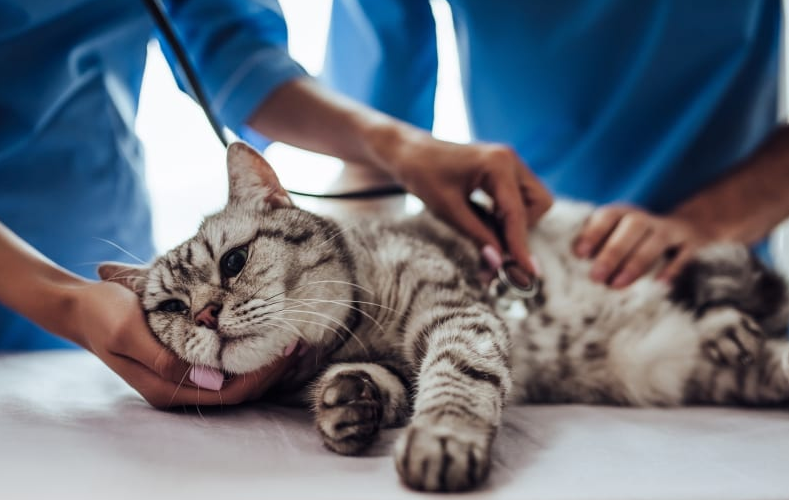
4. Follow The Vet’s Treatment Plan
Treatment will depend on the cause and severity of the infection. According to major veterinary sources:
- Bacterial and fungal infections require specific medications and sometimes long treatment courses.
- Most viral URIs are self limiting and improve over about 7 to 10 days with supportive care, although some can become more severe or lead to secondary bacterial infections.
- Some cats with severe illness need hospitalization, oxygen, intravenous fluids, and intensive nursing care.
Give medications exactly as prescribed and complete the entire course, even if your cat seems better earlier.
5. Provide Supportive Home Care
If your veterinarian confirms a mild to moderate URI and agrees that home care is appropriate, you can support your cat’s recovery with simple steps.
- Set up a quiet, low stress room away from other cats.
- Use a humidifier in the room, or sit with your cat in a steamy bathroom created by running a hot shower, to help loosen nasal congestion.
- Offer strong smelling canned food or gently warmed food to encourage eating, since congestion can reduce a cat’s sense of smell.
- Keep fresh water available at all times.
- Clean eye and nose discharge with a soft, damp cloth as advised by your vet.
- Follow isolation instructions carefully if your vet is concerned about highly contagious infections.
6. Monitor Progress And Follow Up
Most mild viral URIs begin to improve over several days and resolve fully within about 7 to 10 days, although some cats with herpesvirus experience repeat flare ups over their lifetime.
Contact your vet again if:
- Your cat is not improving after a few days
- Signs worsen or new problems appear
- Your cat stops eating or drinking
- Breathing changes at any point
Prompt follow up can prevent a manageable respiratory infection from turning into a severe or life threatening situation.
Expert Tips And Real Life Examples
Real Life Story
Luna, a three year old indoor cat, started sneezing and developed watery eyes after her family adopted a new kitten from a shelter. At first, Luna still ate and played, so her owner called the vet for advice and monitored her at home. Two days later, Luna’s breathing became faster and she refused dinner. Her owner remembered that quick breathing was a red flag and took Luna to the emergency clinic that evening. The vet diagnosed a more serious respiratory infection with pneumonia and started treatment right away. Because her owner acted quickly, Luna recovered fully.
Stories like this illustrate how paying attention to small changes and respecting warning signs can make a big difference.
Vet Reviewed Tips For Prevention
Veterinary guidelines and major pet health organizations often highlight these practical steps.
- Keep your cat’s core vaccines up to date, including those that protect against common respiratory viruses when recommended by your vet.
- Reduce stress in multi cat homes by providing plenty of resources bowls, litter boxes, resting spots, and hiding places. Stress can trigger herpesvirus flare ups.
- Quarantine new cats for a period recommended by your vet before full introduction to resident cats.
- Work with your vet on a long term plan if your cat has chronic herpesvirus, which might include stress reduction, good nutrition, and sometimes additional therapies.
Household Hygiene Tips
Whether you are sick or your cat is, small hygiene steps lower infection risks.
- Wash hands before and after handling pets, food bowls, or litter boxes.
- Regularly clean shared surfaces, beds, and toys with pet safe products.
- Limit face kissing and very close contact during periods when people or pets are actively sick.
These routines protect everyone in the household while still allowing plenty of affection and companionship.
Frequently Asked Questions
Q1: Can my cat catch my cold or sore throat
Cats do not catch the usual human cold viruses that give you a sore throat, runny nose, or mild cough. Those viruses are adapted to people and do not typically infect cats. However, your cat can still develop their own upper respiratory infections that look similar, so any ongoing sneezing or discharge deserves a call to the vet.
Q2: Can my cat catch flu or COVID 19 from me
Yes, influenza A viruses and SARS CoV 2 can sometimes pass from infected people to cats, although reported cases in pet cats have usually been mild. If you have flu or COVID 19, it is best to limit close contact with your cat, wash your hands often, and ask another family member to handle most pet care until you are better.
Q3: How long does a cat cold usually last
For many otherwise healthy cats with mild viral URIs, signs improve over several days and resolve within about 7 to 10 days, provided there are no complications. If your cat is not improving, or if signs worsen, your veterinarian should recheck them.
Q4: When should I take my cat with a cold to the vet
You should contact your vet as soon as you notice respiratory signs such as sneezing, nasal discharge, or runny eyes, especially in kittens, seniors, or cats with other health problems. Go to a vet or emergency clinic right away if your cat has trouble breathing, stops eating or drinking for more than one day, seems very weak, or has a high fever.
Q5: Is a cat cold contagious to other cats or dogs
Most feline upper respiratory infections are very contagious to other cats through direct contact or shared items like bowls and bedding. They are generally not a concern for dogs, although dogs have their own respiratory diseases. Always ask your vet for advice if you have multiple pets and one is sick.
Q6: Can indoor only cats still get upper respiratory infections
Yes. Even indoor cats can be exposed through new cats, visits to groomers or boarding facilities, veterinary visits, or contaminated objects and clothing. This is one reason why core vaccines and sensible hygiene are important even for cats that stay inside.
Conclusion
Cats do not catch the classic human cold viruses that make people reach for tissues, but they certainly can develop their own upper respiratory infections. These “cat colds” are usually caused by feline herpesvirus one, feline calicivirus, and sometimes bacteria or fungi. They can range from mild, snuffly illnesses that resolve with supportive care to serious infections that require intensive veterinary treatment.

By understanding what cats can and cannot catch from humans, recognizing early signs of trouble, and respecting red flag symptoms like breathing difficulty or refusal to eat, you can protect your pet’s health and comfort. Simple daily habits such as good hygiene, stress reduction, appropriate vaccination, and prompt vet visits go a long way toward keeping your cat breathing easily.
Always consult a professional for specific cases. Only your veterinarian can diagnose and treat your individual pet.

Dr. Johnson Coleman is a dedicated veterinary expert with over 10 years of hands-on experience in animal health and wellness. His mission is to help pets live longer, happier lives through compassionate care, practical guidance, and a genuine love for animals.
After earning his Doctor of Veterinary Medicine (DVM) degree, Dr. Coleman spent a decade working in both private clinics and community shelters, where he gained deep expertise in preventive medicine, pet nutrition, and behavioral care.
He believes that pet owners deserve reliable, easy-to-understand information about their companions’ health. Through his writing, Dr. Coleman breaks down complex veterinary topics into friendly, actionable advice that helps readers make informed decisions for their pets.
Outside of his professional work, Dr. Coleman volunteers with local animal rescue groups and enjoys spending time outdoors with his two golden retrievers. His lifelong dedication to animal welfare continues to inspire his work and connect with pet lovers around the world.