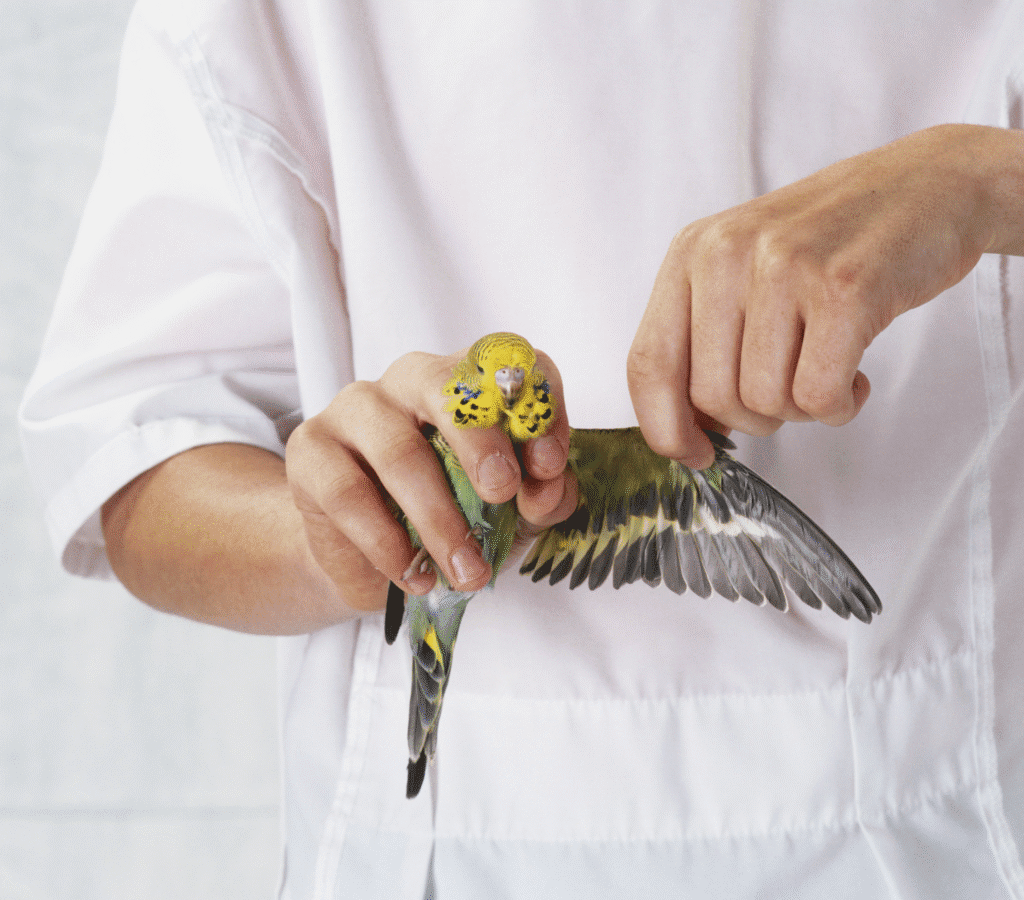

Pigeons are gentle, intelligent birds that thrive in both domestic environments and the wild. As pets, they depend on owners for proper care, nutrition, and health monitoring. Unfortunately, pigeons can suffer from several diseases that affect their digestive system, respiratory system, and overall wellbeing. Understanding these conditions early helps prevent serious complications and keeps your bird healthy and active. This guide explains the most common pigeon diseases, why they occur, how to identify symptoms, and what owners can do to treat and prevent them.
Overview of Common Pigeon Diseases
Pigeon diseases include infections caused by parasites, protozoa, viruses, fungi, and bacteria. These illnesses spread quickly because pigeons often share water bowls, feeders, and close spaces. Contaminated droppings, insects, and stress also make pigeons more prone to illness. Early detection is vital because many diseases cause weight loss, breathing problems, or sudden decline if left untreated. Routine health checks and loft cleanliness are key to protecting your bird.
Canker in Pigeons
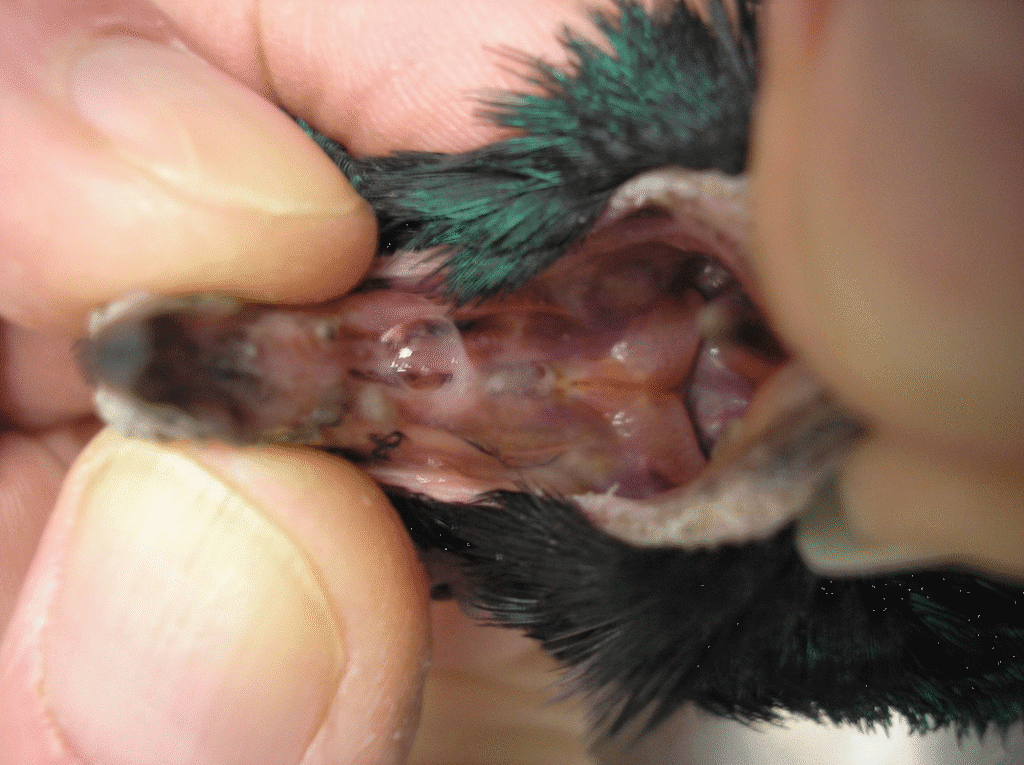
Canker is one of the most well-known pigeon diseases. It is caused by a protozoan that affects the throat and digestive system. This organism spreads easily through shared water bowls, crop milk feeding, and direct contact between pigeons.
Symptoms of Canker
- Yellow or white nodules in the throat
- Difficulty breathing
- Weight loss and weakness
- Diarrhea
- Bleeding from the mouth or cloaca in severe cases
Since the organism survives only a few minutes outside a bird, infections usually occur through close interaction rather than environmental contamination. A veterinarian can diagnose canker through visual inspection or microscopic examination. Treatments include medication prescribed by the vet and, in some cases, surgical removal of nodules. Untreated canker can be fatal, so early action is important.
Worm Infestations in Pigeons
Pigeons can host several intestinal worms including roundworms, tapeworms, and hairworms. These parasites live in the digestive tract and steal nutrients from the bird.
How Pigeons Get Worms
- Eating infected insects
- Ingesting contaminated droppings
- Sharing feeding areas with infected birds
Symptoms of Worms
- Diarrhea
- Weakness
- Weight loss
- Poor performance in flying or racing pigeons
Sometimes worms are visible in droppings, but their eggs often require microscopic testing. Treatment involves deworming medication usually mixed into drinking water or given orally. Regular fecal exams help catch worm problems before they become severe.
Coccidia in Pigeons
Coccidia are microscopic protozoa that infect the intestines. Small amounts are common in many pigeon lofts and often do not cause harm. However, large numbers can lead to illness.
Symptoms of Coccidia
- Loose droppings
- Weakness
- Lethargy
- Poor nutrient absorption
- Weight loss
Because coccidia are not visible to the naked eye, routine fecal exams are essential. A pigeon with symptoms and a high coccidia count should be treated with veterinarian-prescribed medication.
Hexamita Infection
Hexamita is another protozoan similar to the organism responsible for canker. It lives in the digestive tract but is usually less severe.
Symptoms of Hexamita
- Vomiting
- Weight loss
- Bloody diarrhea in advanced cases
Diagnosis requires a microscopic exam because Hexamita looks similar to the canker organism. Although mild in many birds, treatment is still recommended to prevent complications.
External Parasites: Lice, Mites and Flies
External parasites are common in pigeons and can cause irritation, discomfort, and skin damage. These pests feed on feathers, skin, or blood.
Common Signs of External Parasites
- Itching and restlessness
- Scaly skin on unfeathered areas
- Tiny holes in feather shafts
- Feather damage
- Blood loss in heavy infestations
Treatment usually involves medicated sprays or powders that target lice and mites. Proper loft cleaning helps prevent reinfestation, especially in warm or humid environments.
Respiratory Infections in Pigeons
Respiratory infections are among the most serious health problems in pigeons. They spread quickly and significantly impact a bird’s ability to breathe and fly.
Causes of Respiratory Disease
- Bacteria
- Viruses
- Fungi
- Mites
- Secondary infections related to stress or parasites
Symptoms of Respiratory Infection
- Open mouth breathing
- Wheezing or noisy breathing
- Nasal discharge
- Sneezing or coughing
- Fluffed-up posture
- Loss of appetite
A pigeon with untreated respiratory disease can rapidly decline. Treatment involves identifying the cause, cleaning the environment, managing stress, and using vet-prescribed medication.
Chlamydia Infection in Pigeons
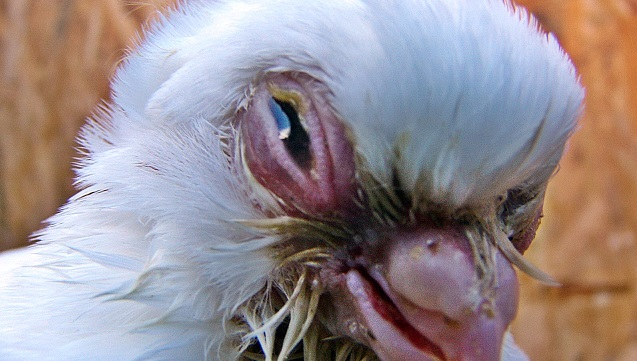
Chlamydia is a common infection in pigeons, and many birds may carry it without showing symptoms. Stress often triggers flare-ups.
Symptoms of Chlamydia
- Respiratory issues
- Nasal discharge
- Weakness
- Lethargy
The virus cannot be fully cured, but medication can help control flare-ups. Supportive care, stable temperatures, and low-stress environments are essential for managing infected birds.
Mycoplasma in Pigeons
Mycoplasma affects the respiratory tract and causes symptoms similar to chlamydia. Like many pigeon diseases, it often appears during stressful periods or in poor-quality loft conditions.
Symptoms of Mycoplasma
- Nasal discharge
- Sneezing
- Coughing
- Reduced activity
Good hygiene, stress reduction, and vet treatment are essential in managing outbreaks. Preventing overcrowding helps reduce the spread.
How to Prevent Pigeon Diseases
Prevention plays a much bigger role in pigeon health than treatment. A clean, stress-free loft makes birds less susceptible to infection.
Preventive Measures
- Clean water bowls daily
- Disinfect lofts regularly
- Avoid overcrowding
- Keep droppings and bedding dry
- Quarantine new birds for observation
- Reduce stress from temperature changes and predators
- Schedule regular veterinary checkups
Good loft management is one of the strongest protections against disease outbreaks.
Frequently Asked Questions
Can humans catch diseases from pigeons?
Yes, some infections such as chlamydia can spread to humans, especially in people with weak immune systems. Proper hygiene reduces this risk.
How often should pigeons be dewormed?
Most pigeon owners deworm every few months or as recommended by an avian veterinarian.
Are respiratory infections always contagious?
Most respiratory infections spread quickly, especially in lofts with poor ventilation or shared water sources.
Can a pigeon recover from canker?
Yes, with early treatment pigeons often recover fully. Delayed treatment increases the risk of complications.
What is the first sign my pigeon might be sick?
Changes in appetite, droppings, breathing, or energy level are early warning signs that require attention.
Conclusion
Pigeons are hardy birds, but they can suffer from several common diseases that affect their digestion, breathing, and overall health. Recognizing early symptoms such as weight loss, diarrhea, breathing issues, or unusual behavior helps owners act before problems become severe. Clean housing, proper hygiene, good nutrition, and regular checkups are the strongest tools for preventing illness. If you notice unusual symptoms in your pigeon, always contact a qualified avian veterinarian for accurate diagnosis and care. Professional guidance ensures your bird gets the best chance at recovery.

Dr. Johnson Coleman is a dedicated veterinary expert with over 10 years of hands-on experience in animal health and wellness. His mission is to help pets live longer, happier lives through compassionate care, practical guidance, and a genuine love for animals.
After earning his Doctor of Veterinary Medicine (DVM) degree, Dr. Coleman spent a decade working in both private clinics and community shelters, where he gained deep expertise in preventive medicine, pet nutrition, and behavioral care.
He believes that pet owners deserve reliable, easy-to-understand information about their companions’ health. Through his writing, Dr. Coleman breaks down complex veterinary topics into friendly, actionable advice that helps readers make informed decisions for their pets.
Outside of his professional work, Dr. Coleman volunteers with local animal rescue groups and enjoys spending time outdoors with his two golden retrievers. His lifelong dedication to animal welfare continues to inspire his work and connect with pet lovers around the world.